

Bitcoin’s journey toward institutional maturity involves gaining trust through regulatory clarity, technological advancements, and increased market adoption. Institutional investors play a key role by accepting Bitcoin for payments, holding it in reserves, and using financial products like ETFs. As regulations evolve and infrastructure improves, more large-scale investors become comfortable integrating Bitcoin into their portfolios. This ongoing progress enhances its credibility and stability. Continuing to explore this evolving landscape reveals how these developments shape Bitcoin’s future in mainstream finance.
Key Takeaways
- Institutional acceptance is driven by regulatory clarity, technological infrastructure, and the development of compliant investment frameworks.
- Progress in regulations and financial products enhances Bitcoin’s credibility, attracting larger institutional investors.
- Adoption varies globally due to differing regulatory environments and infrastructural readiness.
- Continued innovation and active engagement with regulators foster a more stable and mature Bitcoin ecosystem.
- Incremental advancements in market development and legal frameworks signal a promising path toward full institutional integration.

Market adoption is another critical aspect of Bitcoin’s journey toward maturity. While retail investors and early adopters have driven much of its growth, institutional players are essential to mainstream acceptance. You may notice that as more companies accept Bitcoin for payments or hold it as part of their treasury reserves, its legitimacy grows. Financial service providers are developing products like Bitcoin ETFs and custodial services, making it easier for traditional investors to participate without taking on undue risk. This increased market adoption signals confidence and helps normalize Bitcoin within the broader financial ecosystem. Still, you should be aware that adoption isn’t uniform across all regions or sectors, partly due to differing regulatory environments and technological infrastructure. Overcoming these barriers requires ongoing education, technological innovation, and regulatory clarity. As these elements improve, you’ll see more institutions integrating Bitcoin into their portfolios and everyday operations, accelerating its path toward institutional acceptance. Additionally, the development of private placement frameworks for digital assets could facilitate larger, compliant investments from institutional investors, further advancing its maturity. Ultimately, the road to institutional maturity for Bitcoin hinges on resolving regulatory challenges and fostering market adoption. Progress may be incremental, but each step forward adds credibility and stability. You can expect that as regulatory frameworks become clearer and adoption expands, Bitcoin will become less volatile and more aligned with traditional assets. This evolution will likely attract a broader range of investors, from hedge funds to pension funds, *enthusiastic* to diversify their holdings with digital assets. While obstacles remain, your active participation and ongoing dialogue with regulators and market players will help shape a more mature and resilient Bitcoin ecosystem. In this process, patience, adaptability, and vigilance will serve you well, as Bitcoin continues its journey toward full institutional acceptance.

Bitkey Bitcoin Hardware Wallet - Secure Wallet for Self Custody, No Seed Phrase, 2-of-3 Multisig Security, NFC Device, iOS and Android Compatible
- Self Custody Bitcoin Wallet: Secure your bitcoin independently
- No Seed Phrase Needed: Reduces risk of loss or theft
- Multisig Security Architecture: Requires 2 of 3 keys for transactions
As an affiliate, we earn on qualifying purchases.
Frequently Asked Questions
How Does Bitcoin Compare to Traditional Asset Classes?
You’ll find that Bitcoin differs from traditional asset classes through its rapid market adoption and reliance on technological innovation. Unlike stocks or bonds, Bitcoin offers decentralized control and limited supply, making it appealing for diversification. Its value is driven by demand and network security, not corporate earnings. As institutional interest grows, Bitcoin’s role in portfolios expands, showcasing how technological advancements and market acceptance are shaping its unique position in the financial landscape.
What Are the Main Regulatory Hurdles for Institutions?
Think of regulatory hurdles like a maze you must navigate carefully. You face challenges around regulatory compliance and establishing clear legal frameworks, which can slow down your entry. Institutions need to verify they meet evolving rules set by authorities, often requiring extensive due diligence. These hurdles demand patience and adaptability, but overcoming them paves the way for smoother integration into mainstream finance, ultimately building trust and stability for your Bitcoin investments.
How Do Institutional Holdings Impact Bitcoin’s Price Stability?
Institutional holdings can improve Bitcoin’s price stability by increasing market liquidity, making it easier to buy and sell large amounts without significant price swings. When institutions invest, they often hold assets longer, reducing short-term price volatility. This stability attracts more investors, creating a positive feedback loop that further enhances liquidity. Overall, institutional involvement helps smooth out price fluctuations, fostering a more mature and resilient market environment.
What Security Measures Are Essential for Institutional Bitcoin Custody?
You need robust security measures to protect institutional Bitcoin holdings. Implement multi-signature wallets, requiring multiple approvals for transactions, adding an extra layer of safety. Rely on cold storage solutions—offline wallets that keep your assets disconnected from the internet—minimizing hacking risks. These measures create a fortress around your holdings, but stay alert—constant monitoring and secure key management are essential to prevent unexpected breaches. The stakes are high, and security is your best defense.
How Is Institutional Demand Influencing Bitcoin’s Long-Term Value?
Institutional demand boosts Bitcoin’s long-term value by attracting more retail adoption and driving technological innovations. As institutions invest, they help legitimize Bitcoin, encouraging retail investors to participate. This increased demand fuels price appreciation and supports development of advanced security measures and scalable solutions. Your confidence grows as the ecosystem matures, creating a positive feedback loop where institutional interest accelerates mainstream acceptance and long-term value stability.

Cryptocurrency Investing: Step-By-Step Guide to Benefit from Crypto by Investing Long Term and Trading Short Term Following the Smart Money Strategies on DeFi Blockchains
As an affiliate, we earn on qualifying purchases.
Conclusion
As you witness Bitcoin’s journey toward institutional maturity, it’s clear that increased regulation and infrastructure are key. For example, if a major bank begins offering Bitcoin custody services, it signals growing trust and acceptance. This evolution suggests that, with continued progress, Bitcoin will become a more reliable asset class for institutional investors, transforming the landscape of finance. Your role in understanding these changes can help you navigate this emerging digital economy confidently.

Avalon Q 90TH/s Bitcoin Miner by New Canaan - 18.6J/TH 1674W ASIC Miner, Ultra-Quiet Home Mining Crypto Machine, 110V-240V, Included Original US Power Cord in US Stock
- Brand and Warranty: Genuine New Canaan Avalon Q Miner with warranty
- Hash Rate and Efficiency: 90TH/s at 18.6J/TH energy-efficient
- Plug and Play: Includes 110V-240V power cord for easy setup
As an affiliate, we earn on qualifying purchases.
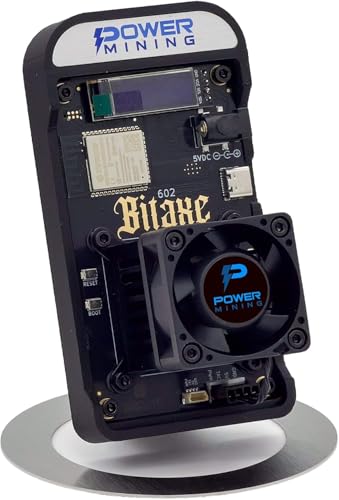
POWER MINING Bitaxe Gamma 602 ASIC Bitcoin Miner | 1.1 TH/s @ 18W | BM1370 Chip (Antminer S21 Pro) | Wi-Fi | USB-C | AxeOS | Open Source | Made in Europe | Incl. Power Supply & Stand
- Hashrate: 1.1 TH/s at 18W power
- Manufactured in Europe: Designed and made in Europe
- ASIC Chip: BM1370 chip from Antminer S21 Pro
As an affiliate, we earn on qualifying purchases.