
The XRP Ledger’s AMM launch is a game-changer for liquidity and trading on the blockchain. It replaces manual market making with automated pools, allowing for more efficient, decentralized transactions that boost liquidity and reduce slippage. With support for various assets and increased demand for XRP, this upgrade offers a significant leap forward in how assets are exchanged. Keep exploring to discover how this innovation could reshape your experience in the XRPL ecosystem.
Key Takeaways
- The XRP Ledger’s AMM introduces non-custodial, automated liquidity pools, replacing manual market making and enhancing trading efficiency.
- Over 121 liquidity pools launched quickly, demonstrating strong early adoption and ecosystem confidence.
- The AMM supports flexible asset pairings, increasing DeFi opportunities and liquidity for XRP and other tokens.
- It improves price discovery and reduces slippage, significantly boosting liquidity and trading volume on XRPL.
- The launch marks a major evolution in XRPL’s trading infrastructure, making liquidity more decentralized and accessible.

The XRP Ledger has taken a major step forward with the launch of its Automated Market Maker (AMM), enabling a new decentralized trading experience on the blockchain. This milestone marks the culmination of over two years of development, beginning with the XRP Ledger’s XLS-30 draft specification by Ripple contributors and the broader community. The AMM enhances the existing decentralized exchange (DEX) by introducing non-custodial liquidity pools that automate trading without relying on traditional order books. Instead of manual market making, liquidity providers contribute assets to pools and earn transaction fees from trades, creating a seamless, on-chain market-making mechanism. The XRP Ledger has included a central limit order book decentralized exchange (CLOB DEX) since inception. Prior to this upgrade, XRP Ledger’s DEX depended heavily on central limit order books, which often limited liquidity and slowed trading activity. The AMM integration fundamentally changes this dynamic, allowing for more efficient, continuous trading and better price discovery. It’s designed to work smoothly within the existing XRPL infrastructure, maintaining backward compatibility with current servers and infrastructure. This means that existing assets and tokens can participate in the new pools, expanding the possibilities for decentralized finance (DeFi) on XRPL. Technical features of the XLS-30 AMM include support for various asset pairings, which form the backbone of liquidity pools. These pools provide users with opportunities to trade directly against the pool rather than relying on external orders, reducing slippage and increasing trading efficiency. Additionally, the AMM’s design incorporates liquidity incentives, encouraging more participants to contribute assets and foster a healthy ecosystem. However, not all tokens could participate immediately, such as the RLUSD stablecoin, due to regulatory restrictions linked to the Clawback amendment enabled in February 2024. Despite this, the introduction of the AMM doesn’t change XRP’s core utility or tokenomics. XRP remains primarily a reserve asset and transaction fee token, but the new liquidity pools are expected to boost demand and trading volume, potentially increasing XRP’s value and volatility. Since the launch in March 2024, over 121 liquidity pools went live within days, signaling strong early adoption. The community actively engaged in liquidity provision, and the XRP/RLUSD pools officially launched in January 2025 after reaching over 80% validator consensus. These pools encouraged new trading pairs and increased the utility of XRP in DeFi applications. Price movements also reflected the positive sentiment, with XRP gaining 1.3% following the RLUSD AMM upgrade.
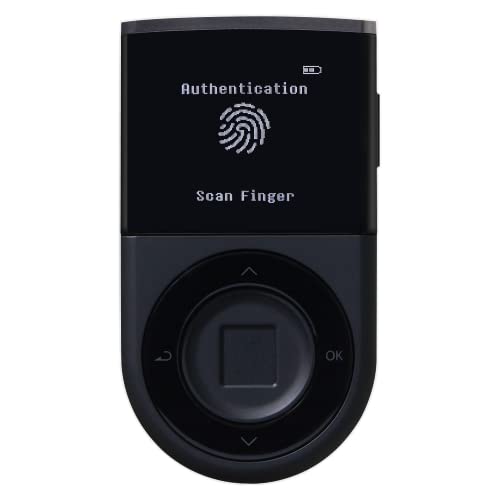
D'CENT Hardware Wallet – Biometric Cold Wallet for Crypto with Fingerprint Authentication | Secure Bluetooth Storage for Bitcoin, Ethereum, XRP, XDC, Solana, Stablecoins & More
UNMATCHED SECURITY WITH BIOMETRIC PROTECTION – Protect your crypto with certified EAL5+ Secure Element chip and advanced fingerprint…
As an affiliate, we earn on qualifying purchases.
As an affiliate, we earn on qualifying purchases.
Frequently Asked Questions
What Are the Potential Risks of Using the New AMM?
You should be aware that using a new AMM involves several risks. Bugs or vulnerabilities in the smart contracts could result in losing funds, especially since the system isn’t fully tested yet. There’s also exposure to asset risks if the paired tokens or issuers fail. Market manipulation, front-running, and regulatory uncertainties could harm your investments. Overall, stay cautious, avoid depositing large amounts until the platform stabilizes and risks are better understood.
How Does the AMM Compare to Traditional Liquidity Pools?
This question hits the mark! You’ll find that XRP Ledger’s AMM outpaces traditional pools with lightning-fast transactions and lower latency, thanks to protocol-native integration. Unlike smart contract-based pools, it’s built directly into the ledger, enhancing security and efficiency. You get seamless swaps, constant liquidity—even for obscure tokens—and reduced fees. It’s a game-changer, making decentralized trading simpler, more accessible, and more reliable for everyday users like you.
Will the AMM Be Available to All XRP Ledger Users Immediately?
You might wonder if the AMM will be available to all XRP Ledger users right away. It’s not immediate; instead, access depends on validator consensus and protocol upgrades. The initial launch in March 2024 included some restrictions, like tokens with clawback features, which required additional amendments. Over time, as more updates get approved, more tokens and users will gain access, making the rollout gradual rather than instant.
Are There Any Fees Associated With Using the AMM?
You’re asking if there are fees when using the AMM. Yes, trading involves fees, which are capped at 1% currently but might rise to 2.5% with future updates. These fees are gathered from trades, benefiting liquidity providers through increased pool value and passive income. Traders pay these fees indirectly, helping ensure efficient pricing and deeper liquidity, ultimately supporting a healthier and more dynamic ecosystem on the XRP Ledger.
How Will the AMM Impact Existing Decentralized Exchanges on XRP?
You wonder how this new AMM could change the game for XRP’s DEXs. It may not replace them but will push them to evolve, offering a more automated, accessible trading experience. You’ll see increased competition, especially as AMMs attract retail traders with passive income and simple interfaces. Existing DEXs might adapt by integrating similar features, creating a more interconnected, efficient ecosystem—one that could redefine how you trade on XRP.

TANGEM Wallet Pack of 2 – Secure Crypto Wallet – Trusted Cold Storage for Bitcoin, Ethereum, NFT's & More Coins – 100% Offline Hardware Wallet
THE HIGHEST LEVEL OF SECURITY: Tangem Wallet generates the private key that never leaves the card. Your crypto…
As an affiliate, we earn on qualifying purchases.
As an affiliate, we earn on qualifying purchases.
Conclusion
With XRP Ledger’s AMM arrival, you’re stepping into a streamlined, supercharged liquidity landscape. This game-changing launch promises faster, frictionless trading, fueling fresh financial futures. So, stay sharp, seize the shift, and see how this savvy solution simplifies swapping, boosting your blockchain experience. The future’s bright, bold, and brimming with possibilities—ready to ride the ripple of innovation? plunge in and discover a dynamic, decentralized, and daring digital domain!
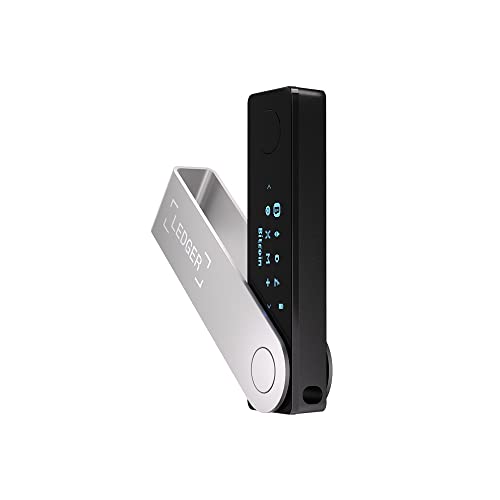
Ledger Nano X Crypto Wallet Signer – Securely Manage All Your Crypto Assets with This Bluetooth Enabled Classic – Onyx Black
Effortlessly build your crypto portfolio via the all in one Ledger Wallet app: buy, sell, send, receive, swap,…
As an affiliate, we earn on qualifying purchases.
As an affiliate, we earn on qualifying purchases.
D'CENT Hardware Wallet – Biometric Cold Wallet for Crypto with Fingerprint Authentication | Secure Bluetooth Storage for Bitcoin, Ethereum, XRP, XDC, Solana, Stablecoins & More
UNMATCHED SECURITY WITH BIOMETRIC PROTECTION – Protect your crypto with certified EAL5+ Secure Element chip and advanced fingerprint…
As an affiliate, we earn on qualifying purchases.
As an affiliate, we earn on qualifying purchases.