

Decentralized Identity (DID) standards are close to finalization, paving the way for more seamless, user-controlled digital identities. These standards focus on interoperability, security, and privacy, enabling you to manage and verify credentials across different platforms without relying on centralized authorities. They also support cryptographically secured proof, enhancing trust and data protection. If you keep exploring, you’ll discover how these evolving standards will reshape digital identity management worldwide.
Key Takeaways
- The W3C DID v1.1 is close to finalization, emphasizing decentralized control and cross-platform interoperability.
- The standards aim to ensure secure, cryptographically verifiable credentials with privacy-preserving features.
- ISO/WD 23042 provides a blockchain-based identity architecture, aligning with W3C’s efforts toward final drafts.
- Ongoing developments focus on interoperability, legal compliance, and user-centric privacy enhancements.
- The near-final draft aims to facilitate broader adoption of decentralized identities in enterprise and government sectors.

Have you ever wondered how digital identities can be managed securely without relying on centralized authorities? The emerging standards for Decentralized Identifiers (DIDs) are paving the way for a more private, secure, and user-controlled digital identity landscape. These standards aim to formalize how DIDs are created, managed, and verified across various platforms and networks. They focus on guaranteeing interoperability, security, and privacy, making decentralized identity systems practical for widespread adoption.
Currently, the W3C DID v1.1 specification is the leading framework, emphasizing core principles like decentralization, user control, and privacy. It provides a common language and set of guidelines for implementing DIDs, ensuring different systems can communicate seamlessly. This interoperability is essential because it allows you to use your digital identity across multiple services without creating new credentials each time. Alongside this, standards such as ISO/WD 23042 offer a reference architecture for blockchain-based identity systems, helping organizations adopt decentralized identities with confidence. These standards define how DIDs should function within distributed ledger technology (DLT), ensuring consistent implementation, security, and compliance.
Efforts are also underway to standardize verifiable credentials—cryptographically signed documents that authenticate your identity attributes, such as proof of age or employment. These credentials are tamper-proof, enabling you to disclose only the necessary information selectively, which enhances privacy. For example, instead of sharing your full date of birth, you might only reveal that you’re over 21. Standards developed by organizations like the W3C are guiding how these credentials should be formatted and verified, ensuring they work smoothly across different systems. Additionally, interoperability standards are being refined to guarantee that credentials and DIDs work harmoniously across platforms, reducing friction and increasing trust.
Verification and authentication in decentralized systems are also evolving. You’ll be able to provide cryptographic proofs for your identity claims, which are highly secure and difficult to forge. Biometric verification, combined with decentralized identity solutions, adds another layer of security, protecting against fraud and deepfake attacks. As these standards mature, regulatory compliance remains a key focus, ensuring that decentralized identity solutions meet legal requirements for identity verification and data protection. Furthermore, the integration of these standards with existing legal frameworks aims to facilitate broader acceptance and use in official government and enterprise settings. Progress in standardized cryptographic techniques further enhances the security and privacy of these identity systems.
Privacy is central to these standards. They prioritize user control over personal data, allowing for selective disclosure and minimizing data exposure. Cryptographically signed credentials are inherently secure and tamper-proof, reducing the risk of data breaches. The combination of robust security measures and privacy controls ensures that your digital identity remains protected while being conveniently accessible for legitimate purposes.
As these standards near finalization, enterprises and developers are increasingly adopting decentralized identity solutions for onboarding and verification processes. This trend reflects a broader move toward more user-centric, secure, and interoperable digital identity systems, promising a future where you hold complete control over your digital identity without relying on centralized authorities.
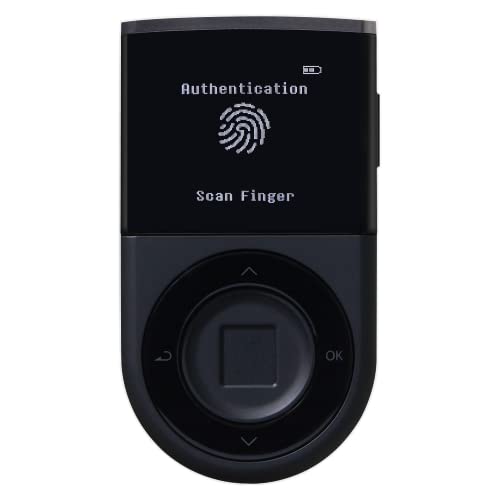
D'CENT Hardware Wallet – Biometric Cold Wallet for Crypto with Fingerprint Authentication | Secure Bluetooth Storage for Bitcoin, Ethereum, XRP, XDC, Solana, Stablecoins & More
UNMATCHED SECURITY WITH BIOMETRIC PROTECTION – Protect your crypto with certified EAL5+ Secure Element chip and advanced fingerprint…
As an affiliate, we earn on qualifying purchases.
As an affiliate, we earn on qualifying purchases.
Frequently Asked Questions
How Will DID Standards Impact Existing Identity Verification Systems?
You’ll find that DID standards transform your existing identity verification systems by making them more secure and private. You’ll use cryptographic proofs, reducing reliance on centralized databases, which cuts down on breaches. You’ll also gain greater control over your data, sharing only what’s necessary. Plus, interoperability across platforms means smoother, faster verifications, helping you meet evolving regulations effortlessly and reducing operational costs while enhancing user trust and empowerment.
What Industries Stand to Benefit Most From DID Implementation?
Did you know over 70% of industries could see significant benefits from DID implementation? You’ll find healthcare, finance, supply chain, retail, and telecoms stand to gain the most. They’ll streamline verification, enhance privacy, reduce fraud, and lower operational costs. By giving users control over their data, DID adoption boosts security and trust across these sectors, making everyday transactions smoother and more secure.
Are There Privacy Concerns With Widespread Adoption of DIDS?
You should recognize that widespread DID adoption raises privacy concerns, like data leakage from public or immutable records, and risks of linking identities across platforms. You might also face challenges with user control, managing private keys, and ensuring compliance with data laws like GDPR. Additionally, interoperability issues could expose sensitive info, while improper implementation might undermine anonymity and privacy, requiring robust safeguards and privacy-by-design principles to protect users.
How Do DID Standards Compare to Traditional Digital Identity Methods?
Compared to traditional digital identity methods, DID standards give you more control and privacy over your data. Instead of relying on centralized providers, you manage your identifiers and credentials yourself, sharing only what you choose. This reduces risks of large data breaches and enhances security. While traditional systems are simpler to use, DIDs empower you with self-sovereignty, though they require more effort to set up and understand.
What Are the Main Challenges in Finalizing DID Standards?
You face several challenges finalizing DID standards. You need to address technical complexities, like blockchain integration and interoperability. You also must create uniform global protocols amid diverse jurisdictions and platforms. Simplifying user experiences and building trust are vital, but still difficult. Plus, you have to navigate evolving regulations and legal uncertainties, ensuring compliance and legal clarity. Balancing these technical, user, and legal factors is essential for creating effective, widely adopted DID standards.

Yubico – YubiKey 5C NFC – Multi-Factor authentication (MFA) Security Key and passkey, Connect via USB-C or NFC, FIDO Certified – Protect Your Online Accounts
POWERFUL SECURITY KEY: The YubiKey 5C NFC is the most versatile physical passkey, protecting your digital life from…
As an affiliate, we earn on qualifying purchases.
As an affiliate, we earn on qualifying purchases.
Conclusion
With the decentralized identity standards nearing their final draft, you’re on the cusp of a major shift in digital trust. These standards aim to put you back in control of your identity, making online interactions more secure and private. Think of it as hitting two birds with one stone—empowering users while enhancing security. As these standards come to fruition, you’ll find yourself stepping into a future where your digital identity truly belongs to you.

Cryptnox Crypto Wallet Pack Of 2 – Secure Crypto Wallet Cold Storage for Bitcoin, Ethereum, Nfts & More Coins – Biometric Pairing – Encrypted NFC Tap to Sign – Bonus FIDO2 Security Key Functionality
💼 COLD STORAGE YOU CAN TRUST: Cryptnox cold wallet crypto featuring a EAL6+ certified secure elements, encrypted NFC,…
As an affiliate, we earn on qualifying purchases.
As an affiliate, we earn on qualifying purchases.
decentralized identity verification device
As an affiliate, we earn on qualifying purchases.
As an affiliate, we earn on qualifying purchases.