Texas is taking a significant step in public finance with its proposal for a state-managed Bitcoin reserve through Senate Bill 21. By considering Bitcoin as a viable investment, the state aims to hedge against inflation and economic instability. This move could reshape how states manage their funds and respond to financial challenges. What implications might this have for other states, and could it signal a broader shift in public finance strategies?
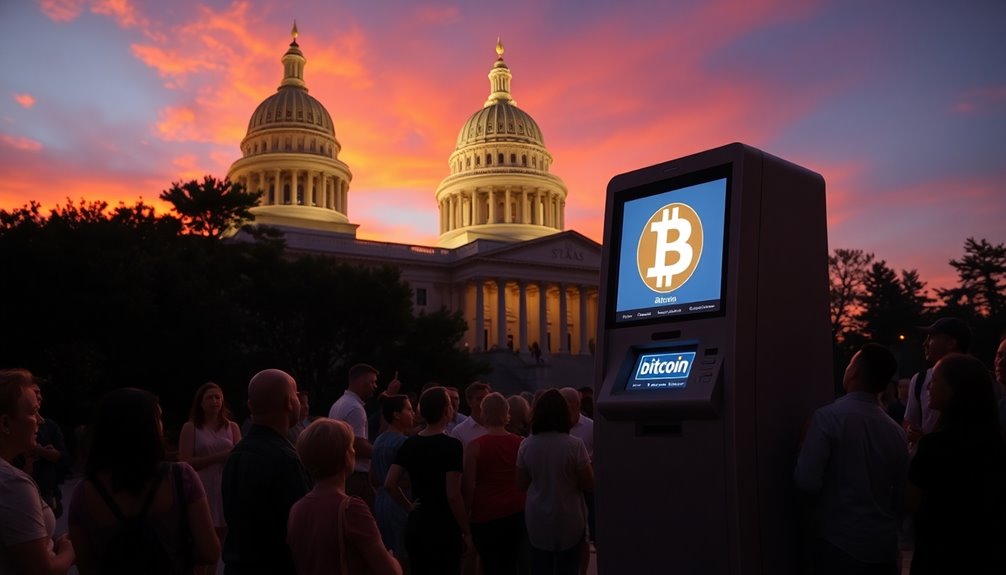
As public finance evolves, the integration of Bitcoin has sparked significant interest among policymakers and financial experts. Texas is leading the charge with its proposal for a state-managed Bitcoin reserve through Senate Bill 21. This initiative isn't just a passing trend; it represents a strategic investment aimed at diversifying state funds by including Bitcoin and other high-market-cap cryptocurrencies. Currently, Bitcoin is the only cryptocurrency meeting the bill's criteria of a market capitalization of at least $500 billion, which highlights its dominant position in the market.
The proposal brings with it a comprehensive regulatory framework designed to ensure security and transparency. The state plans to employ cold storage for its Bitcoin holdings, safeguarding the reserve from potential breaches. Additionally, the bill mandates biennial reports detailing the reserve's performance and holdings, keeping the public informed and engaged. Proponents argue that such a reserve could serve as a hedge against inflation and economic volatility, positioning Texas to better navigate financial uncertainties. Texas aims to be a leader in digital asset adoption through this innovative initiative, setting a precedent for other states to follow.
Blockchain technology also plays a pivotal role in reshaping public finance. For instance, California is exploring the use of blockchain to issue bonds as tokens, which could enhance transparency and reduce costs in municipal bond issuances. This approach not only streamlines the process but also expands market access to more retail investors, fostering financial inclusion. Secure digital identity models are essential for these blockchain systems, ensuring that user authentication remains robust.
Companies like MicroStrategy and Semler Scientific have already begun incorporating Bitcoin into their treasuries, recognizing its potential as a store of value. State pension funds in Wisconsin and Michigan are also investing in Bitcoin, further indicating a shift towards institutional adoption. With the SEC recently approving a spot Bitcoin ETF, institutional investment has gained momentum, pushing Bitcoin further into the mainstream.
While the potential economic impact of Bitcoin reserves is substantial, it's essential to consider the risks involved. Bitcoin's price volatility raises concerns among critics, and the proposal requires legislative approval to move forward. An advisory committee will guide asset management and risk mitigation strategies, ensuring that the reserve operates within strict security protocols.
The initiative could stimulate economic growth by attracting tech investments, but it also faces regulatory scrutiny that could affect its implementation.
Bitcoin Home Miner Nerdqaxe++12TH/s 240W with Four Fans and Eight BM1370 ASIC Chips Dual-Fan Plug-and-Play 2.4G WiFi and Quiet for Crypto Machine Bitcoin Miner for Beginners
Powerful 12TH/s Performance at 240W:Powered by eight advanced BM1370 ASIC chips, this Bitcoin miner delivers a strong 12TH/s...
As an affiliate, we earn on qualifying purchases.

Bitaxe Gamma 601 Bitcoin Miner, Open Source Solo BTC Mining Machine, BM1370 ASIC Chip, 1TH/s - 1.2TH/s SHA-256, 2.4G WiFi, Home Crypto Miner, incl. 5V Power Supply & Stand, AxeOS, Black
1-1.2TH/s Efficient Mining with BM1370 ASIC Chip: Powered by a single high-performance BM1370 ASIC chip—optimized for SHA-256 Bitcoin...
As an affiliate, we earn on qualifying purchases.

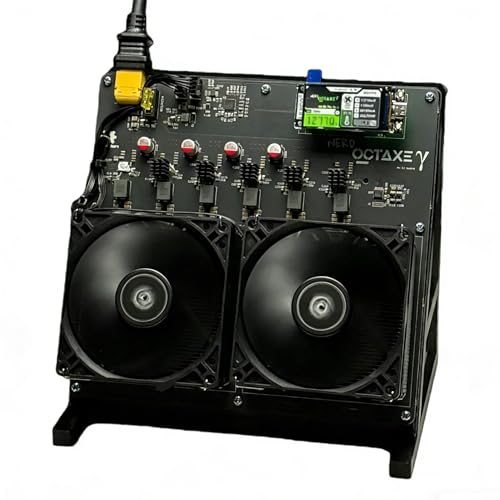
NerdOctaxe Gamma 9.6 TH/s Bitcoin ASIC Miner – Open-Source Home Miner with BM1370, Wi-Fi & USB-C, Complete Kit, Power Supply & Stand
⚡ Up to 9.6 TH/s total hash rate with ~180 W power consumption (~15 J/TH), delivering powerful and...
As an affiliate, we earn on qualifying purchases.
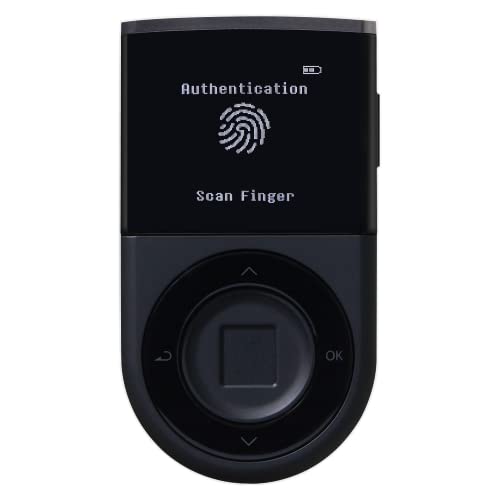
D'CENT Hardware Wallet – Biometric Cold Wallet for Crypto with Fingerprint Authentication | Secure Bluetooth Storage for Bitcoin, Ethereum, XRP, XDC, Solana, Stablecoins & More
UNMATCHED SECURITY WITH BIOMETRIC PROTECTION - Protect your crypto with certified EAL5+ Secure Element chip and advanced fingerprint...
As an affiliate, we earn on qualifying purchases.