If you prefer a simple, hands-off way to invest, Bitcoin ETFs let you gain exposure without managing private keys or wallets, reducing security worries and making tax reporting easier. On the other hand, direct ownership gives you full control over your Bitcoin and allows for flexible transactions, but it comes with the responsibility of securing your private keys and tracking taxes. To weigh these options and understand their trade-offs, keep exploring the differences ahead.
Key Takeaways
- Bitcoin ETFs offer a simplified, hands-off investment without managing private keys, while direct ownership grants full control and responsibility over assets.
- ETF assets are secured by fund custodians, reducing individual security concerns; direct ownership requires safeguarding private keys, increasing security risks.
- Investing in ETFs generally involves straightforward tax reporting; direct ownership demands detailed tracking of transactions for accurate tax compliance.
- ETFs provide liquidity and easy transferability of shares; direct ownership allows full transaction control but involves more complex management.
- ETFs suit passive investors seeking convenience; direct ownership appeals to those prioritizing control, security, and personalized management.

Choosing between a Bitcoin ETF and direct ownership depends on your investment goals and risk tolerance. If you’re considering how to add Bitcoin to your portfolio, understanding the differences in tax implications and storage security can help you make an informed decision. With a Bitcoin ETF, you buy shares of a fund that tracks Bitcoin’s price, which simplifies many aspects of investing. You don’t have to worry about managing private keys or securing digital wallets. Instead, your investment is held within the fund, and the ETF provider handles all the security measures. This setup often results in fewer concerns about storage security because the fund’s custodians take care of safeguarding the assets. However, it’s important to understand the tax implications. When investing in a Bitcoin ETF, you typically pay capital gains tax when you sell your shares, just like selling any other stock or fund. The ETF structure often makes tax reporting straightforward, especially if the fund distributes dividends or capital gains. On the other hand, direct ownership of Bitcoin puts the control squarely in your hands. You become the sole owner of the actual cryptocurrency, giving you full authority over your holdings. This means you can decide when and how to sell or transfer your Bitcoin. But with this control comes responsibility. Storage security becomes a critical concern because you’re responsible for safeguarding your private keys. If you lose access to your wallet or your private keys are compromised, your Bitcoin could be lost forever. This risk makes secure storage solutions like hardware wallets or cold storage essential. As for tax implications, direct ownership can be more complex. You’ll need to keep detailed records of your transactions for accurate reporting. Each sale or transfer might trigger capital gains taxes, and the valuation of your holdings can fluctuate widely, affecting your tax liability. Additionally, some jurisdictions treat cryptocurrencies differently, which could influence your tax strategy. Considering the role of projectors in visual quality, utilizing proper storage and security measures is crucial regardless of the method you choose. Choosing between these options ultimately hinges on how much control you want and how comfortable you are managing security and tax complexities. If you prefer a hands-off approach with less worry about security and straightforward tax reporting, a Bitcoin ETF may suit you better. Conversely, if you want direct control, are comfortable with securing your private keys, and are prepared to handle more complex tax considerations, owning Bitcoin directly might be the way to go. Both options have their advantages and risks, so evaluating your personal situation and investment philosophy is key before making a decision.
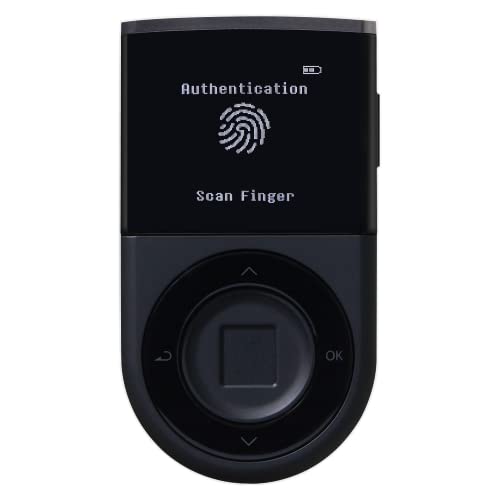
D'CENT Hardware Wallet – Biometric Cold Wallet for Crypto with Fingerprint Authentication | Secure Bluetooth Storage for Bitcoin, Ethereum, XRP, XDC, Solana, Stablecoins & More
UNMATCHED SECURITY WITH BIOMETRIC PROTECTION - Protect your crypto with certified EAL5+ Secure Element chip and advanced fingerprint...
As an affiliate, we earn on qualifying purchases.
Frequently Asked Questions
How Do Taxes Differ Between Bitcoin ETFS and Direct Ownership?
When comparing taxes, Bitcoin ETFs typically offer simpler tax treatment, often taxed as securities, and may have easier reporting requirements. You usually receive a consolidated 1099 form, making it straightforward to report gains or losses. In contrast, direct ownership requires you to track and report each transaction, leading to more complex reporting and potentially higher tax complexity. Your choice impacts how easily you handle tax treatment and reporting obligations.
Can I Lose More Than My Initial Investment With Either Option?
It’s unlikely you’ll lose more than your initial investment with either option unless you use leverage. Leverage risk amplifies potential losses, especially during market volatility, which can cause sudden, significant drops in Bitcoin’s value. Without leverage, your loss is limited to what you invested. However, if you trade on margin or with derivatives, you could face losses exceeding your initial capital, so understanding these risks is essential.
Are Bitcoin ETFS Available in All Countries?
Bitcoin ETFs are not available in all countries due to geographic restrictions and regulatory differences. You’ll find that some jurisdictions have approved these investment products, while others haven’t. It’s essential to check your local regulations before investing, as these rules can impact your access. If ETFs aren’t available, you might consider other methods to invest in Bitcoin, but always stay informed about your country’s legal landscape.
What Are the Costs Associated With Trading Bitcoin ETFS?
When trading Bitcoin ETFs, you’ll encounter trading fees charged by your broker and management costs that cover the fund’s expenses. Trading fees vary depending on the platform you use, often a flat rate or a percentage of your trade. Management costs, expressed as an expense ratio, reduce your returns over time. Be sure to compare these costs across different ETFs to maximize your investment efficiency.
How Does Insurance Coverage Compare for ETFS Versus Direct Holdings?
Think of your investments as a fortress. With ETFs, your holdings benefit from custodial security and regulated oversight, acting like a vigilant guard protecting your assets. In contrast, direct ownership relies on personal security measures, which may lack formal insurance coverage. While ETFs offer a safety net through regulatory protections, direct holdings depend on your security efforts, making ETFs generally a safer choice for insured protection against theft or loss.
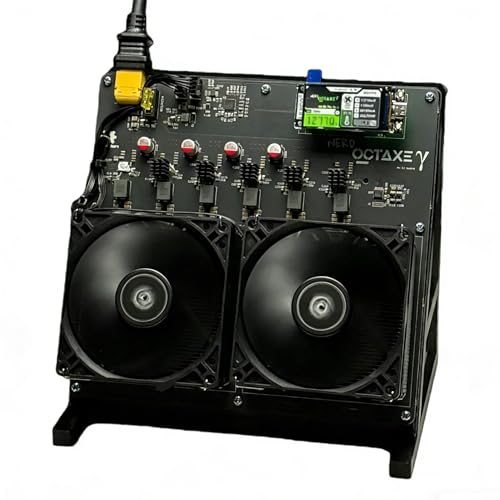
Bitcoin Home Miner Nerdqaxe++12TH/s 240W with Four Fans and Eight BM1370 ASIC Chips Dual-Fan Plug-and-Play 2.4G WiFi and Quiet for Crypto Machine Bitcoin Miner for Beginners
Powerful 12TH/s Performance at 240W:Powered by eight advanced BM1370 ASIC chips, this Bitcoin miner delivers a strong 12TH/s...
As an affiliate, we earn on qualifying purchases.
Conclusion
Choosing between a Bitcoin ETF and direct ownership depends on your comfort with managing private keys and your desire for simplicity. While ETFs offer ease and regulatory protections, some worry about missing out on full control. Remember, both options have their merits, but the key is understanding your risk tolerance and investment goals. Ultimately, whether you prefer convenience or control, staying informed helps you make smarter decisions in your crypto journey.

Bitaxe Gamma 601 Bitcoin Miner, Open Source Solo BTC Mining Machine, BM1370 ASIC Chip, 1TH/s - 1.2TH/s SHA-256, 2.4G WiFi, Home Crypto Miner, incl. 5V Power Supply & Stand, AxeOS, Black
1-1.2TH/s Efficient Mining with BM1370 ASIC Chip: Powered by a single high-performance BM1370 ASIC chip—optimized for SHA-256 Bitcoin...
As an affiliate, we earn on qualifying purchases.

iCoin Hardware Wallet - The Most Trusted Digital Crypto Hardware Wallet with a 3in Color LCD Touchscreen, Digital Wallet for NFT, Crypto Currency and Tokens; All-in-one
Cryptocurrency cold storage made easy. The iCoin Wallet securely holds your Bitcoin & Ethereum Private Keys encrypted in...
As an affiliate, we earn on qualifying purchases.