In 2025, Bitcoin continues to stand out as a strong inflation hedge because of its limited supply and increasing adoption. As inflation pressures grow, more investors turn to Bitcoin to protect their wealth. Clearer regulations and greater acceptance by institutions boost confidence and stability in its use. If you want to understand how regulatory developments and market trends shape Bitcoin’s role, there’s more to discover about its future potential.
Key Takeaways
- Bitcoin’s limited supply and decentralized nature make it an attractive inflation hedge as traditional currencies lose value.
- Regulatory clarity in 2025 can boost Bitcoin’s legitimacy, encouraging broader adoption as a store of value.
- Increased acceptance by financial institutions and platforms enhances Bitcoin’s role in diversified investment portfolios.
- Well-balanced regulations can stabilize Bitcoin markets, reducing volatility and increasing investor confidence.
- The future effectiveness of Bitcoin as an inflation hedge depends on evolving regulatory frameworks and market integration.

As inflation continues to rise worldwide, many investors are turning to Bitcoin as a potential hedge in 2025. With traditional currencies losing value, you might find yourself exploring alternative assets that can preserve your wealth. Bitcoin stands out because of its limited supply and decentralized nature, making it an attractive option during inflationary periods. However, the path to mainstream adoption depends heavily on how governments approach cryptocurrency regulation and the broader acceptance of digital assets. As policymakers develop clearer regulations, they can either boost confidence in Bitcoin or hinder its growth through restrictive measures. If regulation becomes too stringent, it could dampen investor enthusiasm and slow down digital asset adoption. Conversely, balanced regulation that protects consumers while fostering innovation can create a more stable environment for Bitcoin to thrive as a store of value.
Rising inflation makes Bitcoin’s limited supply and decentralized features an appealing hedge amid evolving regulation and digital asset acceptance.
The evolving landscape of cryptocurrency regulation plays a pivotal role in shaping your investment strategy. Countries around the world are establishing frameworks to govern digital assets, aiming to prevent illicit activities while encouraging innovation. These regulatory developments influence how institutions and individuals perceive Bitcoin’s legitimacy, impacting its liquidity and price stability. When regulations are transparent and well-defined, you’re more likely to see increased trust and participation from mainstream investors. This, in turn, can accelerate digital asset adoption, making Bitcoin more accessible and accepted as a hedge against inflation. Additionally, understanding the role of emotional support in navigating financial uncertainties can help you maintain a balanced perspective during volatile market conditions. On the other hand, ambiguous or overly restrictive rules may drive you to seek alternatives or operate in less regulated markets, which could introduce risks and volatility.
In the broader context, the integration of Bitcoin into traditional financial systems signals a shift toward greater digital asset adoption. More businesses and financial institutions are beginning to recognize Bitcoin not just as a speculative asset but as a legitimate store of value. As this trend continues, you’ll see more platforms offering Bitcoin-related financial products, making it easier to incorporate into your investment portfolio. The increased acceptance also encourages retail investors to consider Bitcoin as a viable option for safeguarding their wealth against inflation. Nonetheless, you should stay aware of how regulatory changes could impact this adoption curve. While the promise of Bitcoin as a hedge is compelling, its success depends on how well governments and regulators manage the digital asset ecosystem moving forward.
Ultimately, the future of Bitcoin as an inflation hedge in 2025 relies on a delicate balance. Strong, clear cryptocurrency regulation can foster trust, encourage digital asset adoption, and stabilize the market. As an investor, keeping a close eye on regulatory developments will help you make informed decisions and navigate the evolving landscape of digital assets. When regulation aligns with innovation, Bitcoin can become a reliable tool for protecting your wealth amidst rising inflation.

D'CENT Hardware Wallet – Biometric Cold Wallet for Crypto with Fingerprint Authentication | Secure Bluetooth Storage for Bitcoin, Ethereum, XRP, XDC, Solana, Stablecoins & More
UNMATCHED SECURITY WITH BIOMETRIC PROTECTION - Protect your crypto with certified EAL5+ Secure Element chip and advanced fingerprint...
As an affiliate, we earn on qualifying purchases.
Frequently Asked Questions
How Does Bitcoin’s Volatility Affect Its Effectiveness as an Inflation Hedge?
Your Bitcoin investments’ effectiveness as an inflation hedge is impacted by its volatility. High volatility reduces market liquidity and hampers price stability, making it harder to rely on Bitcoin during economic downturns. Sudden price swings can erode gains meant to offset inflation, so you should carefully consider these risks. While Bitcoin has potential, its unpredictable nature means it isn’t always a steady store of value for inflation protection.
Will Government Regulations Impact Bitcoin’s Role in Hedging Against Inflation?
Imagine standing at the edge of a turbulent sea, where government oversight acts like shifting currents. Cryptocurrency regulations can tighten or loosen, directly affecting Bitcoin’s role as an inflation hedge. You’ll find that stricter rules might dampen its appeal, while clearer regulations could boost confidence. So, yes, government regulations will profoundly impact Bitcoin’s effectiveness, guiding its journey through evolving financial tides and influencing whether it remains a reliable hedge against inflation.
How Does Bitcoin Compare to Traditional Assets Like Gold During Inflation Periods?
During inflation periods, you’ll find Bitcoin often outperforms traditional assets like gold due to its limited supply and growing cryptocurrency adoption. Unlike gold, which relies on physical demand, Bitcoin’s value is heavily influenced by shifts in monetary policy and investor sentiment. As central banks adjust interest rates, Bitcoin’s decentralized nature becomes more attractive, making it a potentially more responsive hedge against inflation when compared to gold.
What Are the Risks of Relying Solely on Bitcoin for Inflation Protection?
Relying solely on Bitcoin is risky, like walking a tightrope without a safety net. Market manipulation and liquidity risks can cause sudden price swings, leaving you vulnerable. For instance, during past dips, large traders manipulated prices, exposing the asset’s volatility. If liquidity dries up, selling Bitcoin quickly becomes difficult, increasing losses. Diversifying your assets helps protect you from these unpredictable risks, ensuring you’re not left stranded if crypto markets falter.
How Might Technological Developments Influence Bitcoin’s Inflation-Hedging Capabilities?
Technological developments like quantum computing could threaten Bitcoin’s inflation-hedging abilities by potentially compromising its cryptographic security, making transactions vulnerable. Meanwhile, improvements in blockchain scalability can enhance transaction speed and lower costs, encouraging more widespread adoption. As you rely on Bitcoin for inflation protection, stay aware that these innovations might either strengthen its resilience or introduce new risks, affecting its effectiveness as a safe haven in the future.

Cryptnox Crypto Wallet Pack Of 2 - Secure Crypto Wallet Cold Storage for Bitcoin, Ethereum, Nfts & More Coins - Biometric Pairing - Encrypted NFC Tap to Sign - Bonus FIDO2 Security Key Functionality
💼 COLD STORAGE YOU CAN TRUST: Cryptnox cold wallet crypto featuring a EAL6+ certified secure elements, encrypted NFC,...
As an affiliate, we earn on qualifying purchases.
Conclusion
As 2025 approaches, you can’t help but wonder if Bitcoin will truly shield you from inflation’s grip. The signs are promising, but nothing’s certain yet. Will it hold its value when inflation surges? Or will unexpected twists change the game? One thing’s for sure—you’ll want to stay alert. The coming months might hold surprises that could redefine your financial strategy. Are you ready to see what’s next? The answer’s just around the corner.
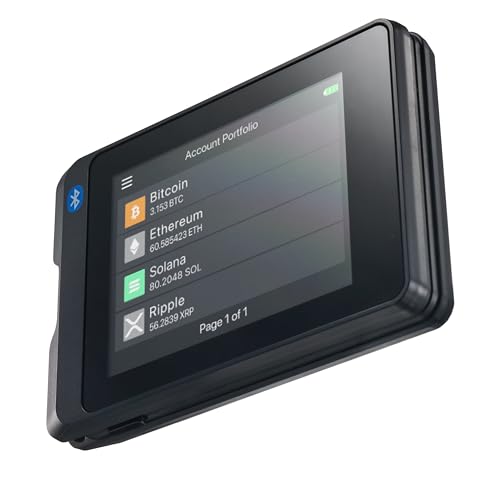
SecuX W20 Crypto Wallet with Intuitive Touchscreen, Hardware Wallet with Bluetooth, Easy to Manage Bitcoin, Ethereum, NFTs, Tokens, and Cryptocurrency with Military-Grade Security Features
Ultimate Security: Certified CC EAL5+. Infineon Solid Flash CC EAL5+ Secure Element (SE) chip embedded
As an affiliate, we earn on qualifying purchases.

ELLIPAL Titan 2.0 Crypto Cold Wallet, 100% Offline, Air-gapped - Secure Wallet for 10000+ Coins & Tokens & NFTs
【Ultimate Protection with Air-Gapped & Fully Internet Isolated Design】 ELLIPAL Titan 2.0 uses air-gapped tech for unmatched security...
As an affiliate, we earn on qualifying purchases.