
Bitcoin faces serious risks from quantum computing, which could crack current cryptographic protections. In response, researchers are developing quantum-resistant algorithms to guarantee assets stay secure. Moving to these new protocols will require community agreement and careful implementation. By adopting quantum-safe solutions early, you can help protect your holdings from future threats. If you want to understand how these advancements might secure Bitcoin’s future, keep exploring the evolving world of quantum-resistant cryptography.
Key Takeaways
- Researchers are developing quantum-resistant algorithms to replace vulnerable elliptic curve cryptography in Bitcoin.
- Transitioning Bitcoin to quantum-resistant cryptography requires network consensus and thorough testing.
- Quantum-resistant protocols aim to protect blockchain assets from future quantum attacks.
- Implementing these solutions proactively can prevent potential security breaches caused by quantum computing.
- Bitcoin’s potential in quantum-resistant cryptography lies in evolving its cryptographic standards to ensure long-term security.

As quantum computing advances, it poses a significant threat to the cryptographic security that underpins Bitcoin. Traditional cryptographic methods rely heavily on the difficulty of certain mathematical problems, but quantum algorithms like Shor’s algorithm threaten to crack these protections much more efficiently. This creates a looming danger for blockchain security, as the integrity of transactions could be compromised if quantum computers become powerful enough. Your Bitcoin holdings and transaction history, which are secured by cryptographic keys, could become vulnerable if the encryption methods aren’t upgraded to resist quantum attacks.
Quantum computing threatens Bitcoin security by potentially cracking cryptographic protections, risking asset safety without timely upgrades.
One of the main concerns centers around the quantum key, a fundamental element that ensures secure communication and transaction validation in blockchain networks. Unlike classical keys, a quantum key can leverage quantum properties such as superposition and entanglement, potentially allowing for more secure key distribution methods like Quantum Key Distribution (QKD). However, this technology is still in experimental stages and not yet widely integrated into blockchain systems. If quantum computers can efficiently generate or intercept these keys, the entire blockchain security model could be undermined, exposing your Bitcoin to theft or forgery.
To address this, researchers are exploring quantum-resistant cryptography, which involves developing new algorithms that can withstand quantum attacks. These algorithms aim to replace the current cryptographic standards used in Bitcoin, such as elliptic curve signatures, with quantum-resistant alternatives. Implementing these changes would help secure the blockchain against future threats, safeguarding your assets from potential vulnerabilities. Shifting to quantum-resistant cryptography isn’t just about updating code; it requires consensus across the network and careful testing to ensure that the new systems are truly secure and compatible with existing infrastructure.
While the threat of quantum computing is still on the horizon, it’s vital that the Bitcoin community proactively adopts measures to preserve blockchain security. Developing and deploying quantum-resistant solutions now can prevent catastrophic breaches later. As an individual holding Bitcoin, staying informed about these advancements and supporting efforts toward quantum-safe protocols become essential. The goal is to ensure that your digital assets remain protected against the evolving landscape of computing power. Ultimately, integrating quantum-resistant cryptography into Bitcoin’s protocol can secure your holdings against future quantum threats, preserving the trust and integrity that the blockchain model is built upon.
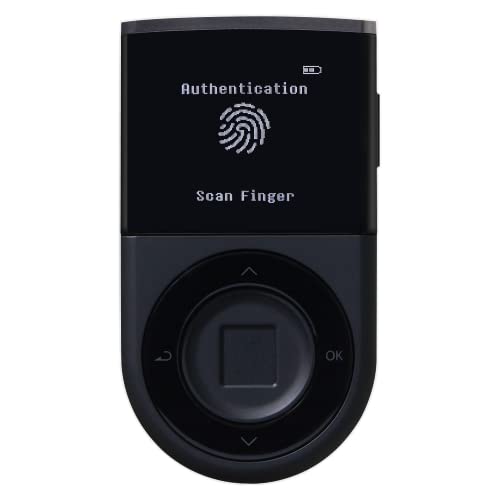
D'CENT Hardware Wallet – Biometric Cold Wallet for Crypto with Fingerprint Authentication | Secure Bluetooth Storage for Bitcoin, Ethereum, XRP, XDC, Solana, Stablecoins & More
UNMATCHED SECURITY WITH BIOMETRIC PROTECTION - Protect your crypto with certified EAL5+ Secure Element chip and advanced fingerprint...
As an affiliate, we earn on qualifying purchases.
Frequently Asked Questions
How Soon Could Quantum Computers Break Current Bitcoin Encryption?
Quantum computers could potentially break current Bitcoin encryption within the next decade, posing a significant quantum threat. You should be aware that encryption longevity depends on advancements in quantum tech; as it improves, the risk of compromised security increases. Staying informed about quantum-resistant algorithms is vital, as they aim to extend encryption longevity. While the exact timeline remains uncertain, proactive measures are essential to protect your Bitcoin holdings from future quantum threats.
What Are the Main Challenges in Implementing Quantum-Resistant Cryptography?
You face several challenges in implementing quantum-resistant cryptography. First, maintaining cryptographic agility allows you to switch algorithms smoothly as new threats emerge. Second, integrating quantum key distribution securely into existing systems is complex, requiring specialized hardware and protocols. Additionally, ensuring widespread adoption and compatibility across diverse platforms demands significant effort. Overcoming these hurdles is vital to protect Bitcoin and other digital assets against future quantum attacks.
Could Quantum-Resistant Algorithms Compromise Bitcoin’s Decentralization?
Like Pandora’s box, quantum-resistant algorithms could introduce centralization risks for Bitcoin if vulnerabilities emerge. You might worry that reliance on new algorithms could create a bottleneck, giving power to those who control the upgrades. While these algorithms aim to protect against quantum threats, their vulnerabilities could be exploited, potentially compromising decentralization. Careful development and widespread adoption are essential to guarantee that the core principles of Bitcoin remain intact.
Are There Existing Quantum-Resistant Solutions Already Integrated Into Bitcoin?
Currently, Bitcoin hasn’t integrated post-quantum algorithms into its core cryptography standards. While researchers are developing quantum-resistant solutions, these haven’t been adopted yet. You should stay informed about ongoing updates, as potential integration of post-quantum algorithms could enhance Bitcoin’s security against future quantum threats. Developers are actively exploring new cryptography standards, but implementation in Bitcoin’s protocol remains in the planning or testing stages for now.
How Will Quantum Resistance Affect Bitcoin’s Transaction Speed and Scalability?
Imagine the blockchain as a bustling highway—quantum resistance could introduce toll booths that slow traffic. While integrating quantum-resistant algorithms might slightly affect transaction speed and scalability, it aims to bolster user privacy and security. You’ll notice a trade-off: increased protection against quantum threats, but with some impact on transaction throughput. Overall, careful blockchain integration ensures you experience minimal slowdown while enjoying stronger defenses for your transactions.
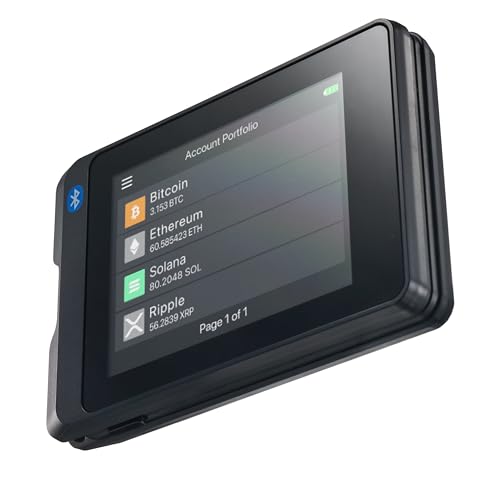
SecuX W20 Crypto Wallet with Intuitive Touchscreen, Hardware Wallet with Bluetooth, Easy to Manage Bitcoin, Ethereum, NFTs, Tokens, and Cryptocurrency with Military-Grade Security Features
Ultimate Security: Certified CC EAL5+. Infineon Solid Flash CC EAL5+ Secure Element (SE) chip embedded
As an affiliate, we earn on qualifying purchases.
Conclusion
Imagine your digital wallet shielded by an unbreakable fortress, standing firm against the storm of quantum computing. As you navigate the future of cryptocurrency, embracing quantum-resistant cryptography could be your strongest armor, safeguarding your assets from lurking threats. Bitcoin’s potential to lead this revolution isn’t just a possibility—it’s a beacon of hope amid the swirling fog of technological uncertainty. Stay prepared, stay protected, and watch as the digital landscape transforms before your eyes.

Cryptnox Crypto Wallet Pack Of 2 - Secure Crypto Wallet Cold Storage for Bitcoin, Ethereum, Nfts & More Coins - Biometric Pairing - Encrypted NFC Tap to Sign - Bonus FIDO2 Security Key Functionality
💼 COLD STORAGE YOU CAN TRUST: Cryptnox cold wallet crypto featuring a EAL6+ certified secure elements, encrypted NFC,...
As an affiliate, we earn on qualifying purchases.

ELLIPAL Titan 2.0 Crypto Cold Wallet, 100% Offline, Air-gapped - Secure Wallet for 10000+ Coins & Tokens & NFTs
【Ultimate Protection with Air-Gapped & Fully Internet Isolated Design】 ELLIPAL Titan 2.0 uses air-gapped tech for unmatched security...
As an affiliate, we earn on qualifying purchases.