
You might find that integrating Bitcoin into sovereign reserves turns the traditional game theory of currency stability into a complex puzzle. Governments must weigh its high potential returns against volatility and regulatory risks. Balancing digital assets with traditional reserves challenges established strategies, making geopolitical and economic decisions more intricate. If you’re curious how this evolving landscape reshapes macroeconomic tactics, exploring further will reveal the strategic shifts shaping the future of reserve management.
Key Takeaways
- Incorporating Bitcoin into reserves introduces high volatility, complicating traditional stability-focused game theory models.
- Digital assets challenge existing trust and control mechanisms in sovereign reserve management.
- Strategic decisions become more complex as nations balance digital diversification against economic and geopolitical risks.
- Bitcoin’s decentralized nature shifts power dynamics, impacting currency defense and market signaling strategies.
- Evolving policies around digital reserves demand innovative game-theoretic approaches to manage macroeconomic stability.

Sovereign Reserve Game Theory explores how countries strategically manage their reserve assets to maximize stability and influence in the global economy. When you consider this framework, it becomes clear that nations are constantly balancing their foreign exchange reserves to maintain currency stability amid geopolitical shifts and economic uncertainties. You might think of reserves as tools to defend a currency’s value, prevent excessive volatility, and signal strength to international markets. But behind the scenes, this balancing act has profound policy implications—every decision to buy, sell, or hold reserves influences not only a country’s economic health but also its geopolitical standing.
In this game, countries aim to stabilize their currencies while avoiding the pitfalls of excessive reserve accumulation, which can lead to economic distortions or dependency. If a nation over-accumulates reserves, it might appear strong, but it could also face challenges like diminished domestic investment or inflationary pressures. Conversely, if it depletes reserves too rapidly, it risks currency crises and loss of investor confidence. These choices aren’t made in isolation; they’re strategic moves designed to project power, safeguard economic sovereignty, and maintain market trust. The policy implications are far-reaching. Governments must decide how much reserve to hold, whether to diversify holdings into gold, foreign currencies, or now, digital assets like Bitcoin. These decisions ripple through monetary policy, trade competitiveness, and diplomatic relations.
You might wonder how this game becomes even more complex with the advent of Bitcoin and other cryptocurrencies. Unlike traditional reserves, Bitcoin presents a new set of strategic considerations. Its decentralized nature, potential for high returns, and limited supply challenge the conventional wisdom of reserve management. Countries that consider holding Bitcoin as part of their reserves must weigh its volatility against its potential to hedge against dollar dominance or inflation. This introduces a new layer of policy implications, as governments grapple with regulatory uncertainties, technological risks, and the long-term stability of digital assets. Additionally, the decentralized nature of cryptocurrencies complicates the traditional trust and control mechanisms that underpin reserve policies.
Ultimately, as you follow the evolving landscape of sovereign reserve management, you realize that Bitcoin’s role transforms the classic game theory into a complex puzzle. The interplay between currency stability and policy implications becomes more intricate, demanding innovative strategies from nations. This emerging dynamic could redefine the macroeconomic chessboard, making the sovereign reserve game perhaps the hardest puzzle in contemporary finance. It’s a game where traditional tactics meet cutting-edge innovation, forcing policymakers to rethink their entire approach to global economic stability.

Crypto Seed Cold Storage Wallet with Engraver Pen Kit – Metal Plate and Etching Tool for Cryptocurrency Password Phrase Backup and Recovery
All Inclusive Kit for Crypto Seed Key Storage – Comes a Stainless Steel Plate & Tungsten Steel Engraving…
As an affiliate, we earn on qualifying purchases.
As an affiliate, we earn on qualifying purchases.
Frequently Asked Questions
How Does Sovereign Reserve Game Theory Differ From Traditional Macroeconomic Models?
You see, sovereign reserve game theory differs from traditional macroeconomic models by focusing on strategic interactions like currency manipulation and policy coordination among nations. Instead of assuming fixed behaviors, it considers how countries react to each other’s actions, making it more dynamic. This approach highlights complex incentives, where each country’s decisions influence others, creating a challenging puzzle for understanding global reserves and the future of assets like Bitcoin.
What Historical Examples Illustrate Sovereign Reserve Game Theory in Action?
Have you seen how reserve dynamics played out during the Bretton Woods collapse? Countries competed for currency dominance, shifting from gold to dollar reserves, illustrating sovereign reserve game theory in action. Similarly, in the 1930s, nations abandoned gold to boost economic recovery. These examples show how currency competition influences reserve strategies—highlighting the complex interplay of trust, policy, and global economic shifts in sovereign reserve decisions.
How Might Bitcoin’s Volatility Impact Sovereign Reserve Strategies?
Bitcoin’s volatility can complicate sovereign reserve strategies by challenging cryptocurrency diversification efforts. If reserves include Bitcoin, its price swings might lead to instability, prompting governments to reconsider holding it as a reserve currency. This impacts reserve currency implications, as nations weigh the benefits of potential gains against risks. You might find yourself balancing the allure of Bitcoin’s growth with the need for stability, influencing how countries approach digital assets in their reserve portfolios.
Are There Specific Countries More Likely to Adopt Bitcoin Based on This Theory?
About 60% of global central banks hold some form of digital assets, highlighting growing interest in cryptocurrencies. Countries with unstable fiat currencies or high inflation, like Venezuela or Zimbabwe, are more likely to adopt Bitcoin in their currency reserves. You might see central banks in these nations consider Bitcoin as a hedge against economic instability, making them prime candidates to integrate it into their reserve strategies sooner rather than later.
What Are Potential Geopolitical Consequences of Sovereign Reserve Shifts to Bitcoin?
You might see geopolitical consequences like shifts in global power, as countries gain more currency diversification and challenge traditional central bank independence. When nations adopt Bitcoin for reserve assets, they could reduce reliance on US dollar dominance, leading to economic realignments. This move might foster new alliances or tensions, as countries assert financial sovereignty, potentially destabilizing existing international monetary systems and reshaping geopolitical dynamics considerably.
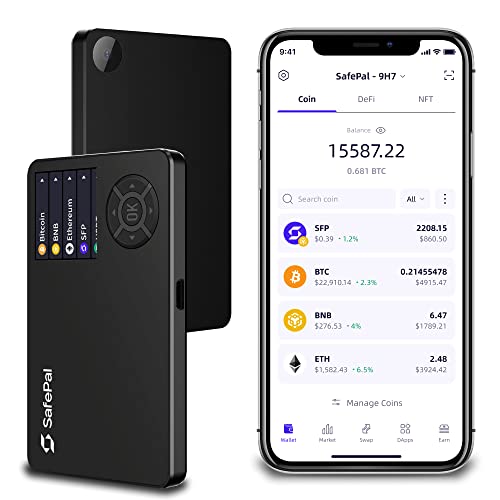
SafePal S1 Cryptocurrency Hardware Wallet, Open Source Crypto Wallet, Securely Stores Private Keys, Cold Storage for Bitcoin, Ethereum and More Tokens, NFTs, Seed Phrases & Crypto Assets
[100% off-line] SafePal S1 adopts an air-gapped signing mechanism, without any connection of Bluetooth, WiFi, NFC, or other…
As an affiliate, we earn on qualifying purchases.
As an affiliate, we earn on qualifying purchases.
Conclusion
You might not realize it, but the puzzle of sovereign reserve game theory and Bitcoin’s role is quietly unfolding. It’s almost like the universe conspired to place these forces together—each influencing the other in subtle, unpredictable ways. As governments and individuals navigate this landscape, you’ll see how these complex interactions could unexpectedly shape Bitcoin’s future. Sometimes, the hardest macro puzzles aren’t planned; they just happen to be waiting, ready to challenge everything you thought you knew.

Digital Asset Wallet & Platform Organizer: Securely Track Crypto Wallets, Exchanges, Transactions & Access Details
As an affiliate, we earn on qualifying purchases.
As an affiliate, we earn on qualifying purchases.

Fintech Law and Compliance: A History and Operator’s Guidebook
As an affiliate, we earn on qualifying purchases.
As an affiliate, we earn on qualifying purchases.