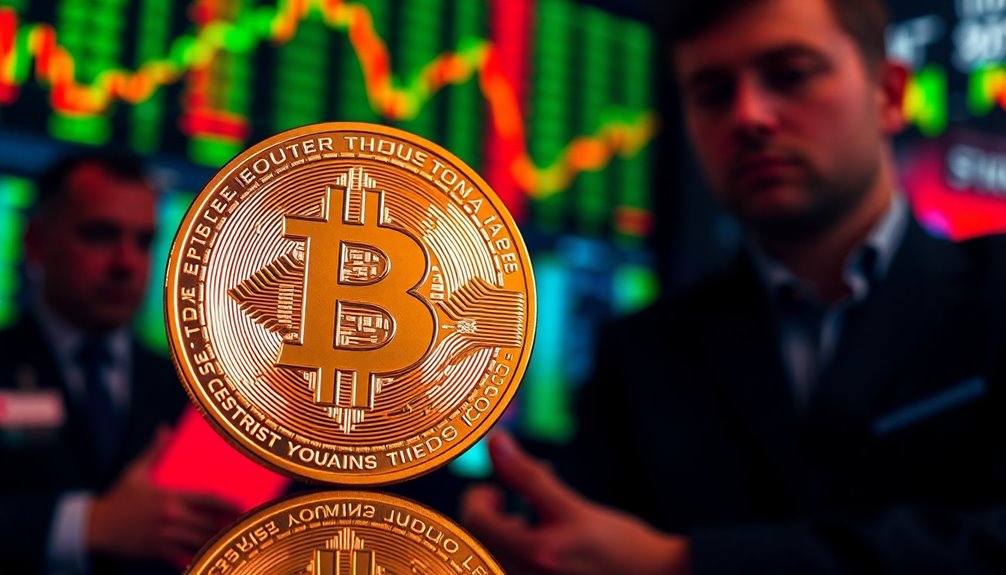

You've likely noticed Bitcoin's impressive rise past $105,000, even with the Federal Reserve maintaining a hawkish approach. This surge raises questions about investor confidence and Bitcoin's role in the current economic landscape. Is it really becoming a reliable hedge against inflation? The data suggests a shift in how it's perceived, but what does this mean for the future of cryptocurrencies? Let's explore the implications of this development.

Bitcoin has surged past the impressive milestone of $105,000, showcasing remarkable resilience in the face of a hawkish Federal Reserve. This price increase highlights a significant moment for the cryptocurrency, especially as it occurs despite the Fed's decision to maintain higher interest rates. The market's response signifies a robust confidence among investors, indicating that Bitcoin is cementing its place as a leading asset in the ever-evolving crypto landscape.
Political factors, including Donald Trump's involvement in the crypto sector, have also stirred interest and volatility in the market. His executive orders aim to foster a supportive regulatory environment for cryptocurrencies, which many believe has helped bolster investor sentiment. By prohibiting the creation of Central Bank Digital Currencies (CBDCs), Trump is effectively protecting Bitcoin's standing, allowing it to thrive without competition from state-backed digital currencies.
Bitcoin's market capitalization has risen significantly alongside its price, reflecting its dominance in the crypto market. You might find it noteworthy that trading volumes have been substantial, often exceeding $50 billion within just 24 hours. This kind of activity indicates a high level of engagement and confidence among traders, further solidifying Bitcoin's role as a primary driver of the cryptocurrency market. Additionally, the minimal correlation observed between Bitcoin and tech stocks suggests that Bitcoin's performance is increasingly independent of traditional market movements.
Meanwhile, broader economic indicators like the Consumer Price Index (CPI), which rose by 2.9% over the past year, have fueled inflation concerns. Despite these economic pressures, Bitcoin's strong performance showcases its appeal as a hedge against inflation. Analysts are observing a bullish sentiment around Bitcoin, suggesting that its ability to thrive amidst challenging conditions points toward a promising future.
The historical cycles in the crypto market show that significant bull runs often coincide with reduced reliance on traditional stock markets. Should Bitcoin continue to gain traction, some analysts predict it could reach $110,000 or more, particularly if a crypto reserve is established. However, it's important to remember that volatility will likely persist, driven by various political and economic factors.
As you navigate this dynamic landscape, consider your investment strategies carefully. Being prepared for both short-term fluctuations and long-term growth opportunities will be crucial. With Bitcoin's dominance expected to endure, you'll want to stay informed and ready to seize any potential opportunities as they arise in this ever-changing market.