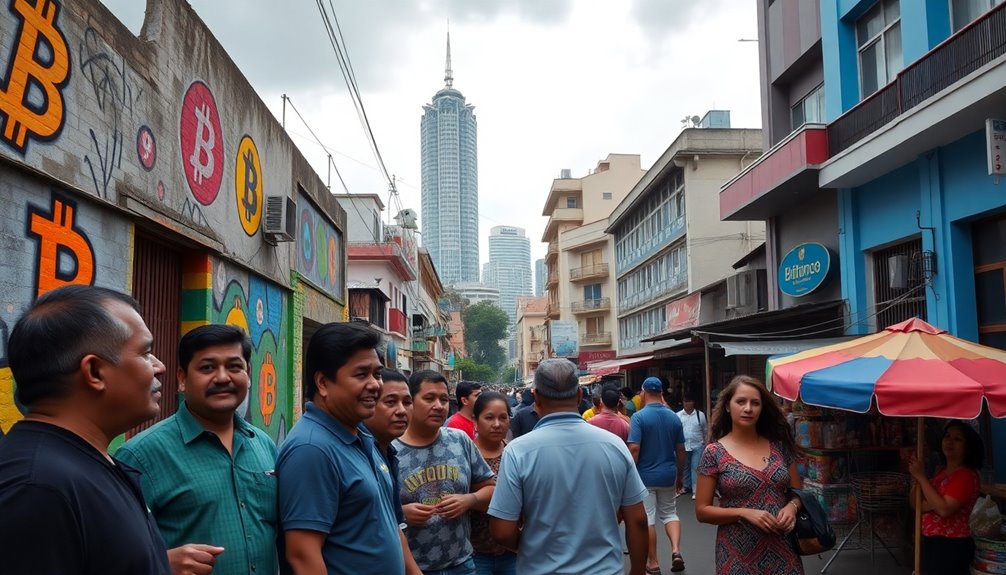

You might find it intriguing that El Salvador's Bitcoin holdings, now around 6,100.18 BTC, are under increasing scrutiny from global financial institutions. The IMF's concerns about Bitcoin's volatility and financial risks could reshape the country's crypto strategy, especially with a $1.4 billion loan at stake. How will the government navigate these pressures while staying committed to its cryptocurrency vision? The stakes are high, and the implications could be significant.

Get hardware and tech essentials delivered free — and shop member deals
- Fast, free delivery on millions of items
- Access to Prime Big Deal Days deals on October 6–7
- Prime Video, Amazon Music and more included
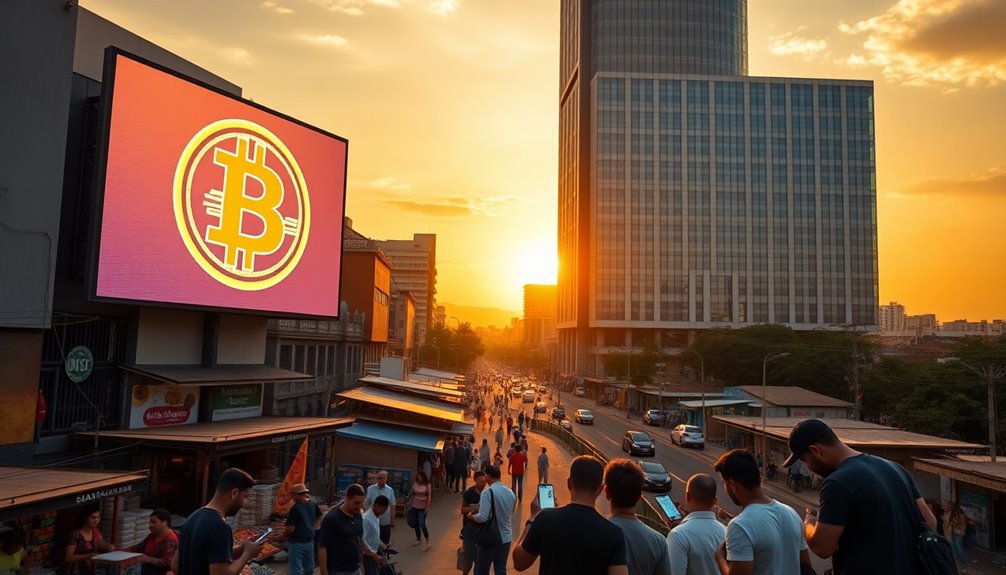
El Salvador's bold move to adopt Bitcoin as legal tender has put the country at the forefront of the cryptocurrency revolution. With approximately 6,100.18 BTC in its holdings, worth around $507.6 million, El Salvador is making headlines. Since the initial purchases in 2021, the country has been strategic, acquiring Bitcoin during price dips, which showcases a calculated investment approach. For instance, a recent purchase added 5 BTC during a market plunge to $83,000, highlighting the government's commitment to its Bitcoin strategy.
You might wonder how El Salvador reached this point. The government started purchasing Bitcoin in September 2021, acquiring 150 BTC on the 19th and 400 BTC just days earlier on the 6th. By July 2022, they'd invested around $103 million, with an average purchase price of $43,357 per BTC. Remarkably, they've held onto these assets without selling any, indicating a long-term vision for the cryptocurrency. In total, their current Bitcoin reserves now amount to approximately 6,100.18 BTC.
However, this ambitious strategy isn't without challenges. The International Monetary Fund (IMF) has raised concerns regarding El Salvador's Bitcoin adoption, citing financial risks associated with such volatility. As part of the $1.4 billion loan conditions, the IMF has insisted on reducing public sector involvement in Bitcoin, which has implications for how the government handles its investments.
El Salvador's Bitcoin strategy faces scrutiny from the IMF, raising concerns over financial volatility and public sector involvement.
While the government has made Bitcoin acceptance voluntary to comply with these conditions, it still aims to encourage widespread adoption among its citizens.
You might also find it interesting that the economic landscape in El Salvador has changed significantly since Bitcoin became legal tender. The country allows transactions using Bitcoin and doesn't tax capital gains from it. Businesses are required to accept Bitcoin unless they lack the means to process it, creating a unique environment for commerce. Yet, the volatility of Bitcoin remains a concern.
Accessing Bitcoin and making it widely available across El Salvador is another hurdle. The government has implemented a government exchanger to facilitate transactions without fees, and it utilizes the efficient Bitcoin Lightning Network.
Still, encouraging user adoption while addressing security risks, like anti-money laundering and know-your-customer regulations, poses ongoing challenges.
In a world watching closely, El Salvador's bold Bitcoin strategy could set a precedent for other nations, but it remains to be seen how they'll navigate the pressures and complexities of global financial oversight.
As an affiliate, we earn on qualifying purchases.
Bitcoin Lightning Network payment app
As an affiliate, we earn on qualifying purchases.
As an affiliate, we earn on qualifying purchases.
cryptocurrency security hardware
As an affiliate, we earn on qualifying purchases.
As an affiliate, we earn on qualifying purchases.
As an affiliate, we earn on qualifying purchases.
Evergreen bestsellers Picks
bestsellers
As an affiliate, we earn on qualifying purchases.