
TL;DR
Hardware crypto wallets are physical devices that store private keys offline, offering top-tier security for your cryptocurrencies. Recent innovations include biometric access, DeFi integration, and wireless connectivity, making them more practical without sacrificing safety.
If you’ve ever stored a secret in a safe, you understand the appeal of a hardware crypto wallet. It’s a small, tangible device that keeps your digital money locked away from online threats. But what makes these gadgets so powerful, and why are they becoming essential for serious crypto holders?
In this article, you’ll learn how they work, what recent upgrades have made them smarter, and how to pick one that fits your needs. Whether you’re holding a few Bitcoin or managing a diversified portfolio, understanding hardware wallets can be a game-changer for your security.
Hardware wallets store private keys offline, drastically cutting online hacking risks.
Recent models include biometric access, wireless support, and direct DeFi integration, blending security with ease.
Always keep your recovery seed safe; it’s your backup if the device is lost or damaged.
Choose a device based on your needs: cost, coin support, and convenience matter.
Regularly update your firmware and buy from reputable sources to stay protected.
What Exactly Is a Hardware Crypto Wallet and Why It Matters
A hardware crypto wallet is a physical device designed to store your private keys securely. Think of it like a high-tech padlock for your digital assets. Unlike software wallets, which run on your computer or phone, hardware wallets keep your keys offline, away from hackers. This separation is crucial because most online threats target connected devices, exploiting vulnerabilities to steal private keys.
For example, if you’re holding $10,000 worth of Bitcoin, a hardware wallet like Ledger Nano S/X keeps that private key on a device disconnected from the internet. This drastically reduces the risk of theft from online breaches, which are increasingly sophisticated and frequent. The key advantage here is that even if your computer is compromised by malware, your private keys remain protected inside the hardware device.
Many users find hardware wallets essential when managing large holdings or during volatile market swings, where the risk of online theft feels more urgent. They’re designed to be user-friendly, connecting via USB or Bluetooth, and work seamlessly with apps or desktop software, making security simple without sacrificing convenience. The tradeoff is that while hardware wallets significantly boost security, they require careful handling of physical devices and seed phrases, which if lost or stolen, could result in permanent loss of access.

TANGEM Crypto Wallet Pack of 2 – Trusted Cold Storage Hardware Wallet
- Proven Security: Over 9 years, no remote hacks
- Secure Chip Technology: Military-grade EAL6+ security
- Easy Wallet Management: Tap once, no cables or batteries
As an affiliate, we earn on qualifying purchases.
As an affiliate, we earn on qualifying purchases.
How Modern Hardware Wallets Keep Your Crypto Safe in 2024
Hardware wallets now come packed with features that make them almost impregnable. They use specialized secure element chips—tiny, tamper-resistant processors—that store your private keys. These chips are designed to resist physical tampering and hacking attempts, adding a robust layer of security. Many wallets also incorporate PIN codes and passphrases, which act as additional barriers, ensuring that even if someone physically steals the device, they cannot access your funds without the PIN or passphrase.
Recent upgrades include biometric options like fingerprint or facial recognition, making access both secure and quick. For example, Ledger Nano X now offers Bluetooth, letting you connect to your phone without cables. This wireless feature enhances convenience, especially for users who want to manage their portfolios on the go, but it also introduces new security considerations—such as ensuring Bluetooth connections are secure and trusted.
Some wallets even support interaction with decentralized apps (dApps) and DeFi protocols directly from the device. This means you can swap tokens, stake crypto, or lend assets without exposing your private keys to web-based threats. This integration blurs the line between security and usability, allowing users to participate in DeFi with confidence that their private keys stay protected inside the hardware wallet.
Open-source firmware is gaining popularity, enabling the community to verify the security of the code. This transparency helps identify vulnerabilities before malicious actors can exploit them, much like a lock that everyone can inspect and trust. Overall, these innovations aim to strike a balance—making wallets safer, more versatile, and more user-friendly in the evolving crypto landscape.
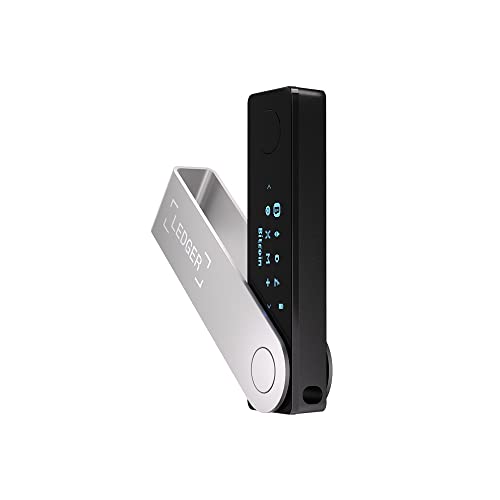
Ledger Nano X Crypto Wallet Signer – Securely Manage All Your Crypto Assets with This Bluetooth Enabled Classic – Onyx Black
- All-in-One Crypto Management: Buy, sell, send, receive, swap, stake
- Supports 15,000+ Coins & Tokens: Manage a wide range of cryptocurrencies
- Market Monitoring & Alerts: Track performance and get timely updates
As an affiliate, we earn on qualifying purchases.
As an affiliate, we earn on qualifying purchases.
Compare Top Hardware Wallets — Which One Fits Your Needs?
| Feature | Ledger Nano S | Ledger Nano X | Trezor Model T |
|---|---|---|---|
| Price | $59 | $119 | $170 |
| Supported Coins | >1,500 | >1,800 | >1,600 |
| Connectivity | USB | USB + Bluetooth | USB + Wi-Fi |
| Biometric Security | No | Fingerprint | PIN + Fingerprint |
| Ease of Use | High | Very high | High |
Choosing between these depends on your priorities—cost, number of supported coins, and convenience. The Nano S is affordable and simple, making it ideal for beginners or those with a limited budget. The Nano X offers wireless connectivity and biometric security, which are valuable for users who want quick access and mobility. Trezor T supports a wide array of coins and features an intuitive touchscreen interface, making it suitable for advanced users who need flexibility and extensive coin support. Consider your security needs, how many coins you hold, and how you prefer to interact with your device when making your choice.

Trezor Safe 5 – Crypto Hardware Wallet with Secure Element & Passphrase, Color Touchscreen, Haptic Feedback, Bitcoin Security, Supports 1000s Coins & Tokens, Quick & Simple Setup (Charcoal Black)
- Security Level: NDA-free EAL 6+ Secure Element
- Display: Vibrant color touchscreen for navigation
- User Interaction: Haptic feedback for tactile confirmation
As an affiliate, we earn on qualifying purchases.
As an affiliate, we earn on qualifying purchases.
Step-by-Step: How to Set Up Your Hardware Wallet Without Stress
- Unbox your device and connect it to your computer or phone.
- Follow the on-screen instructions to initialize it and create a PIN. This PIN acts as a first line of defense against unauthorized access.
- Write down your recovery seed—12 or 24 words—on paper. This seed is the master key to your assets; losing it means losing access forever, so store it securely and privately, preferably offline.
- Install the official app or software recommended by the manufacturer from their website or app store. Ensure you verify the authenticity of the app to prevent tampering.
- Securely connect your wallet to the app and start managing your crypto assets. Test a small transaction to confirm everything is set up correctly before transferring large amounts.
For example, setting up a Ledger Nano S involves installing Ledger Live, confirming your seed, and verifying your device. Once configured properly, you can confidently send or receive crypto, knowing your private keys are protected inside the hardware device and only used during signing transactions.
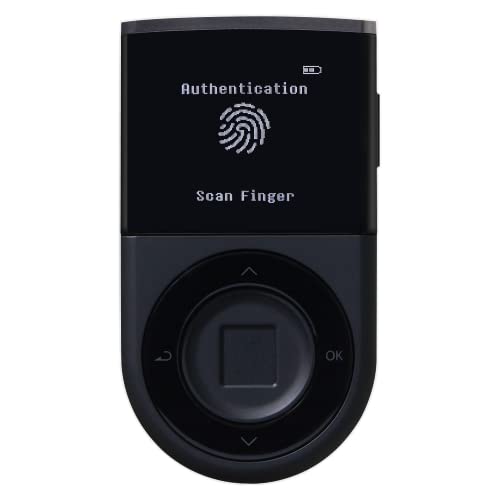
D'CENT Hardware Wallet | Biometric Cold Storage, Bluetooth, Multi-Crypto
- Secure Element with Fingerprint: EAL5+ certified chip with biometric protection
- Supports 4,900+ Assets: Multi-cryptocurrency and NFT compatibility
- Bluetooth Mobile Management: Tap-to-sign with D'CENT app on mobile
As an affiliate, we earn on qualifying purchases.
As an affiliate, we earn on qualifying purchases.
Risks and How to Stay Safe With Your Hardware Wallet
While hardware wallets are among the safest options for storing crypto, they aren’t invincible. Physical theft is a risk—if someone steals your device along with your seed phrase, they could potentially access your funds. Social engineering tactics, such as phishing, can also trick you into revealing sensitive information or installing malicious firmware. Supply chain tampering, where malicious hardware is introduced before it reaches you, is a rare but serious threat that underscores the importance of purchasing from reputable sources.
To mitigate these risks, always buy directly from trusted manufacturers or authorized resellers, avoiding secondhand or suspicious sellers. During setup, avoid public Wi-Fi networks, which can be compromised by attackers trying to intercept data. Never share your seed phrase with anyone, and consider storing it in a secure, fireproof location like a safe or safety deposit box. Regularly updating your device’s firmware is essential—these updates often patch vulnerabilities and improve security features, much like updating your computer’s antivirus software. Remember, your recovery seed is the master key: if lost or stolen, anyone with access can control your assets. Therefore, treat it with the same level of security as your device itself.
Frequently Asked Questions
Are hardware wallets really that secure?
Yes, when used correctly, hardware wallets are the safest way to store large amounts of crypto. They keep private keys offline, making hacking attempts far more difficult compared to online wallets.How complicated is setting up a hardware wallet?
Setup is straightforward: connect your device, create a PIN, write down your recovery seed, and install the related app. Most manufacturers provide step-by-step guides, making it accessible even for beginners.Can I manage multiple cryptocurrencies with one device?
Absolutely. Most modern hardware wallets support dozens to thousands of tokens and coins, including Bitcoin, Ethereum, and many altcoins, making them versatile tools for diverse portfolios.What if I lose my hardware wallet?
If you have your recovery seed stored safely, you can restore your assets on a new device or compatible software wallet. That seed is your backup plan.Are hardware wallets vulnerable to hacking?
While they are highly secure, no device is completely invulnerable. Physical theft, social engineering, or compromised supply chains are potential risks. Always safeguard your seed and buy from trusted sources.Conclusion
A hardware crypto wallet isn’t just a gadget; it’s your first line of defense in a digital world full of threats. With constant innovations, they’re becoming easier to use while staying incredibly secure.
Think of it like a safe deposit box for your digital wealth. Protect it well, update it often, and your assets will stay safe through market swings and cyber threats alike.