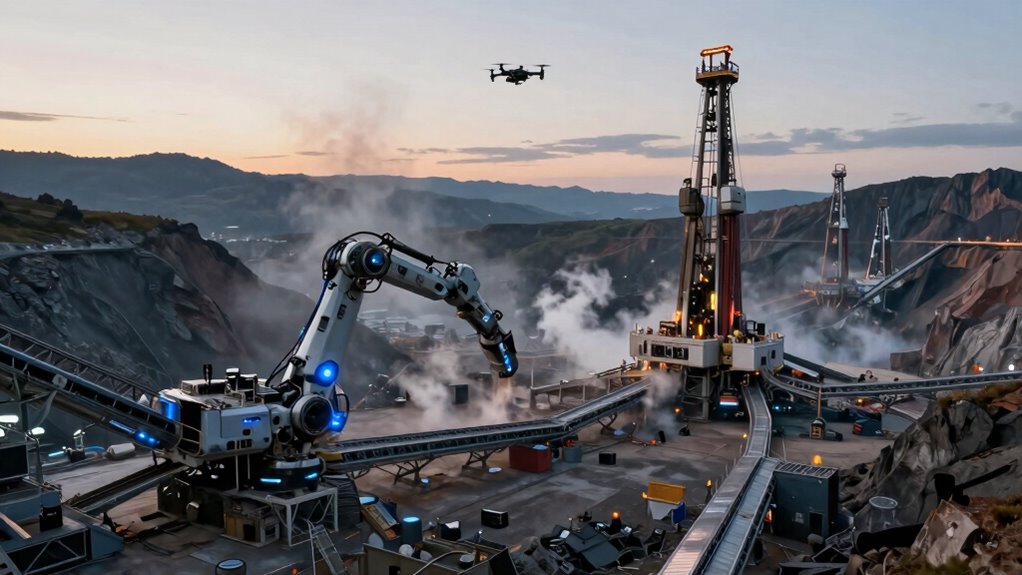

You should know that nation-state mining has shifted from science fiction to a reality driven by economic incentives. Countries are investing heavily in large-scale digital asset mining to gain geopolitical advantages, often at the cost of cybersecurity, environment, and ethics. These efforts create significant vulnerabilities and international tensions, with some nations exploiting infrastructure weaknesses for strategic gains. If you keep exploring, you’ll uncover how these incentives shape global power and society’s future.

Get hardware and tech essentials delivered free — and shop member deals
- Fast, free delivery on millions of items
- Access to Prime Big Deal Days deals on October 6–7
- Prime Video, Amazon Music and more included
Key Takeaways
- Economic incentives drive countries to establish large-scale digital asset mining, transforming it from a futuristic concept into current practice.
- Nation-states see mining as a strategic tool for economic growth, sovereignty, and geopolitical advantage.
- The pursuit of digital resources introduces cybersecurity vulnerabilities, creating incentives for cyberattacks and theft.
- Environmental and ethical concerns complicate the incentive structure, risking long-term societal and ecological costs.
- International cooperation and policy development are essential to address the competitive and strategic incentives behind nation-state mining.
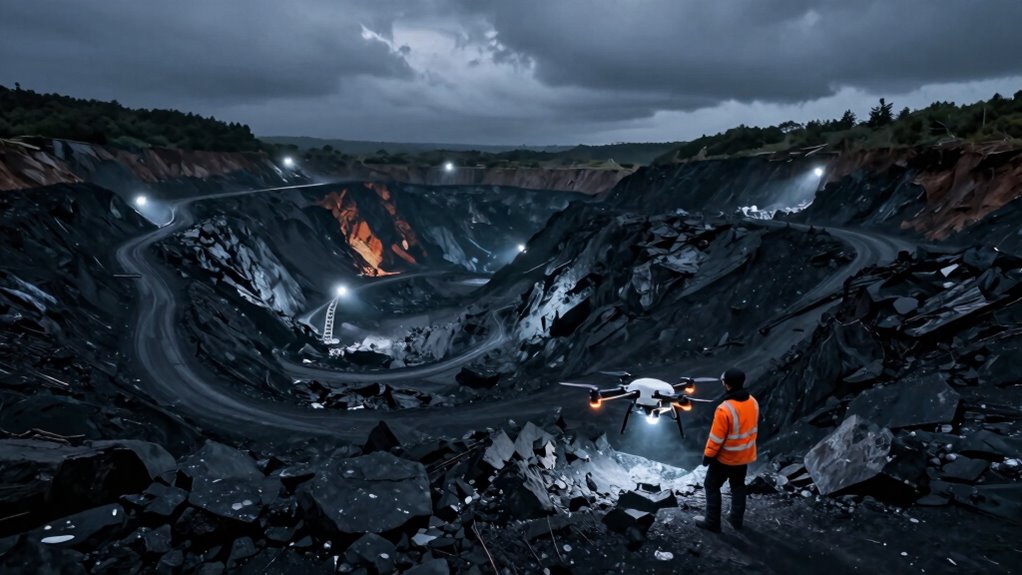
Once considered the stuff of science fiction, nation-state mining has become a real and pressing concern, driven not by technological limits but by economic incentives. Countries now see the vast potential of digital assets, like cryptocurrencies and sensitive data, motivating them to invest in large-scale mining operations. This shift raises immediate worries about cybersecurity vulnerabilities. When nations deploy resources to mine digital currencies or harvest data, they often create targets for cyberattacks. Hackers, whether individual groups or state-sponsored entities, exploit weaknesses in infrastructure, aiming to steal cryptocurrencies or compromise national security. These vulnerabilities aren’t just technical flaws—they’re strategic weaknesses that can be exploited to cause chaos or gain geopolitical advantages. As a result, securing these mining operations becomes a top priority, but it’s a complex challenge, given the scale and sophistication involved. The economic incentives behind nation-state mining often overshadow the need for robust cybersecurity measures, making it a critical area for international cooperation and policy development. Beyond cybersecurity, ethical considerations come into play. When nations prioritize mining activities, questions arise about the broader impact. Are these efforts contributing to energy overconsumption and environmental degradation? Many mining operations demand enormous amounts of electricity, often sourced from fossil fuels, which amplifies concerns over climate change. Additionally, nation-state mining can lead to economic disparities; countries with more resources can dominate markets, pushing smaller players out and creating imbalances in the digital economy. This raises moral questions about fairness and equity in digital resource distribution. Furthermore, there’s the issue of sovereignty—when governments engage in mining, they may justify it as economic development, but it can also be used to surveil citizens or manipulate markets. These ethical dilemmas force us to think about whether the pursuit of digital wealth is worth the potential societal costs.
As an affiliate, we earn on qualifying purchases.
Frequently Asked Questions
How Do Nation-States Fund Their Mining Operations?
You see, nation-states fund their mining operations through various funding mechanisms, often relying on state sponsorship. They allocate national budgets, secure international loans, or establish special funds dedicated to mining projects. Sometimes, they partner with private companies or attract foreign investment. By leveraging these funding mechanisms and state sponsorship, they guarantee their mining initiatives continue, despite the high costs and risks involved.
What Are the Environmental Impacts of Nation-State Mining?
Think of nation-state mining as a double-edged sword, cutting through landscapes and ecosystems. You’ll see environmental degradation and ecological disruption, harming wildlife and polluting water sources. These operations often prioritize profits over sustainability, leaving scars on the environment. As a result, the ecological balance tips dangerously, threatening biodiversity and long-term health. You must consider the lasting damage these mining activities cause, beyond just economic gains.
How Do International Laws Regulate State-Sponsored Mining Activities?
You should know that international laws aim to regulate state-sponsored mining through treaties and agreements, but diplomatic tensions and legal ambiguities often hinder enforcement. Countries may interpret regulations differently, leading to conflicts and unregulated activities. While organizations like the UN promote cooperation, your efforts to guarantee compliance are limited by these legal uncertainties. Consequently, international regulation remains a complex challenge, making it difficult to prevent harmful practices in nation-state mining.
What Are the Risks of Cyberattacks on Mining Infrastructure?
You face significant risks from cyberattacks on mining infrastructure, including cyber espionage and infrastructure sabotage. Hackers may steal sensitive data or disrupt operations, causing financial losses and safety hazards. State-sponsored actors could target your systems to manipulate or halt mining activities, compromising resource extraction and national security. Protecting your infrastructure requires robust cybersecurity measures to prevent espionage attempts and mitigate potential sabotage, ensuring operational continuity and data integrity.
How Does Mining Influence Global Geopolitical Stability?
Imagine a tug-of-war over precious resources, each side pulling harder to secure their stake. Mining influences global stability by fueling resource nationalism, which can spark conflicts or diplomatic tensions. You see how countries forge geopolitical alliances, trying to safeguard their access. When resources become a bargaining chip, the risk of instability grows, and the world’s delicate balance teeters, making mining a pivotal factor in international peace and conflict.
high security cybersecurity hardware
As an affiliate, we earn on qualifying purchases.
As an affiliate, we earn on qualifying purchases.
Conclusion
As you stand at the crossroads of this digital age, remember that the landscape is shifting faster than you can blink. Nation-state mining isn’t some distant sci-fi dream anymore; it’s a tangled web of incentives pulling us into uncharted territory. If left unchecked, these forces could steer us into stormy waters, where trust and privacy are lost like whispers in the wind. It’s up to you to navigate wisely before the tide pulls us all under.
As an affiliate, we earn on qualifying purchases.
government digital asset security solutions
As an affiliate, we earn on qualifying purchases.
As an affiliate, we earn on qualifying purchases.
Fall Picks
fall essentials
As an affiliate, we earn on qualifying purchases.