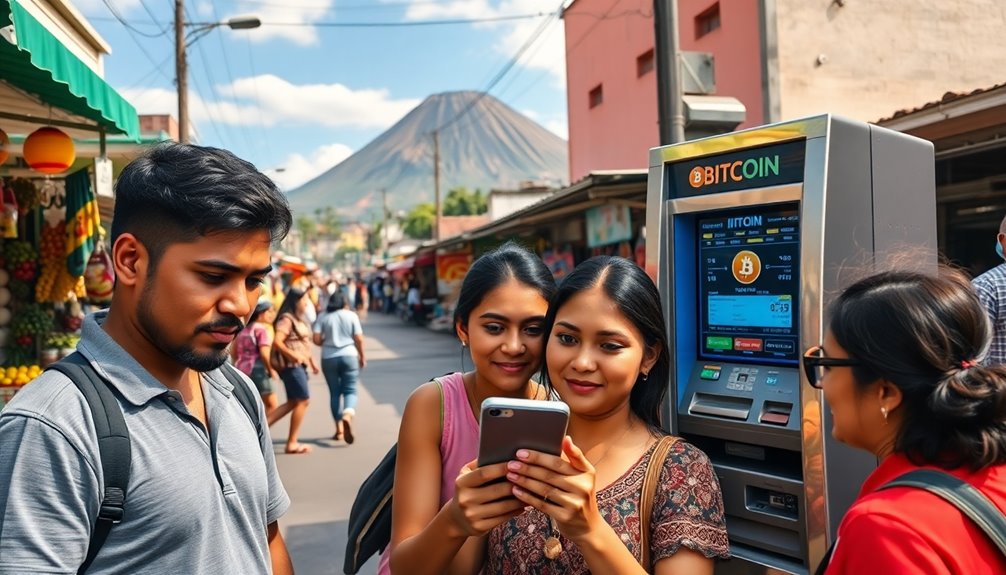

You might be surprised by the current state of Bitcoin in El Salvador after the recent IMF pact. It's no longer classified as legal tender, which means businesses aren't required to accept it. Yet, many still choose to engage with cryptocurrency voluntarily. The government seems to be stepping back from its earlier aggressive Bitcoin strategy, even as grassroots movements push for greater adoption. What does this shift mean for the future of Bitcoin in the country?
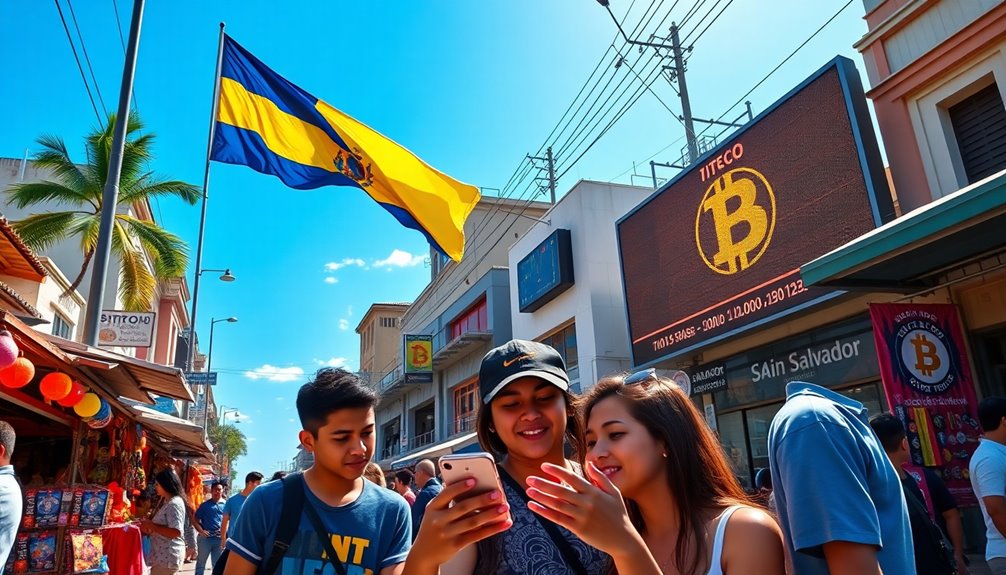
As El Salvador navigates its evolving relationship with Bitcoin, the recent removal of its legal tender status marks a significant shift in the nation's approach to cryptocurrency. In January 2025, legislative changes established that Bitcoin is no longer classified as legal tender, which means businesses aren't required to accept it. Instead, its use has become entirely voluntary, allowing you to choose whether to engage with Bitcoin in your transactions.
This change follows an agreement with the International Monetary Fund (IMF) that secured a $1.4 billion financing package. The IMF conditioned this support on the country's need to mitigate risks associated with Bitcoin's volatility. As a result, you'll notice regulatory adjustments aimed at instilling a more stable economic environment. While Bitcoin remains legal in a limited capacity, the government's involvement in Bitcoin-related activities, including the Chivo Wallet, has decreased significantly. Bitcoin can no longer be used for tax payments or settling government debts, which reflects the government's attempt to stabilize its financial system.
Despite these shifts, grassroots efforts to adopt Bitcoin continue. Many businesses and individuals are still committed to using it, showing that a substantial segment of the population believes in its potential. Private sector engagement remains active, with companies voluntarily accepting Bitcoin. You might also find educational programs promoting Bitcoin understanding, ensuring that the community stays informed about the cryptocurrency landscape.
The government's ongoing expansion of its Bitcoin reserves, despite the legal changes, signals a commitment to maintaining a strategic position in the crypto market. This unique approach could set a precedent for other nations, as countries like the U.S., Brazil, and Germany explore similar Bitcoin reserves. By doing so, El Salvador might influence global trends in cryptocurrency adoption and regulation.
Looking ahead, the IMF's agreement aims to strengthen El Salvador's fiscal and external stability through broader economic reforms. While the financial stability risks associated with crypto assets are currently considered limited, ongoing monitoring is essential. The strategic reserve continues to grow, and as you observe this situation, the potential implications for the global financial landscape are substantial.

Hans’s journalism and editorial leadership background at HARTSBURG NEWS has honed his ability to present information in a credible, well-structured manner. He prioritizes thorough research and factual accuracy, ensuring readers can rely on our coverage.