

The SEC’s recent approval of Bitcoin ETFs marks a major shift toward mainstream acceptance of crypto investments. It signals increased regulatory clarity, which can boost investor confidence and attract more capital into the market. With ETFs offering easier access and reduced volatility, you could see faster growth and liquidity in Bitcoin prices. This move also sets the stage for future innovations and regulatory developments, so exploring further will reveal how these changes could impact your investment options.
Key Takeaways
- The SEC’s recent guidance streamlines Bitcoin ETF approvals, reducing review times and encouraging more applications.
- Approved Bitcoin ETFs increase market liquidity, attract institutional investors, and promote mainstream adoption of crypto assets.
- ETF approvals can lead to price discovery and reduced volatility in Bitcoin markets.
- They facilitate regulated, easier access to Bitcoin investments for retail and institutional investors.
- The move signals a more supportive regulatory environment, potentially boosting overall crypto market growth and innovation.

Bitcoin ETF Approvals
Have you wondered how Bitcoin ETFs are shaping the future of crypto investing? As of mid-2025, the SEC is reviewing over 70 crypto ETF filings, signaling a significant shift in regulatory openness. These filings include a wide variety of assets such as Bitcoin, XRP, Litecoin, Solana, and memecoins like Dogecoin. Major firms like VanEck, 21Shares, Bitwise, and Grayscale are actively submitting proposals for different ETF types, from spot ETFs to leveraged and inverse products linked to crypto derivatives. The pending decisions on these applications will likely influence the market throughout 2025 and into 2026.
Mid-2025 sees over 70 crypto ETF proposals under review, signaling a new era for digital asset investment.
The approval of Bitcoin ETFs has already marked a pivotal moment in crypto history. Back in January 2024, the SEC greenlit the first Bitcoin ETFs, opening the gates for mainstream investors to access Bitcoin through familiar, regulated investment vehicles. Since then, Bitcoin ETFs have attracted over $50 billion in net inflows by mid-2025, demonstrating their popularity among both institutional and retail investors. These ETFs make it easier and safer for people to gain exposure to Bitcoin without directly holding the asset, which appeals to those wary of the complexities around custody and security. The availability of spot Bitcoin ETFs, in particular, has boosted liquidity and investor participation, fueling broader market engagement. As ETF inflows grow, so does Bitcoin’s price, with forecasts suggesting it could reach $200,000 by the end of 2025, partly driven by the increasing adoption of these products.
In July 2025, the SEC took a notable step by releasing its first all-encompassing guidance framework for crypto ETF approvals. This move aims to streamline the application process and provide clearer criteria, which could speed up the approval of dozens of pending applications. The new framework covers various ETF structures, including spot, leveraged, inverse, and thematic funds, fostering innovation and diversification within the crypto ETF space. By offering regulatory clarity, the SEC hopes to enhance market stability, build investor confidence, and encourage more product development. This guidance is expected to significantly reduce the review time for many pending applications, potentially leading to faster approvals. Additionally, this increased clarity can help mitigate potential regulatory uncertainties that have historically constrained the growth of crypto products in traditional markets.
The growth of crypto ETFs in 2024, with about 43 new launches—more than half of the total U.S. crypto ETF universe—reflects a maturing market. Many of these are spot ETFs, including Bitcoin and Ether products, alongside leveraged and income-focused funds. Some ETFs are linked to single stocks like MicroStrategy, acting as Bitcoin proxies, and are even included in major indexes like Nasdaq-100. Overall, crypto ETFs contributed more than $1 trillion in net inflows across nearly 4,000 ETFs, transforming how investors approach digital assets.
The SEC’s latest moves on Bitcoin ETF approvals are vital. Approved ETFs not only simplify crypto investing but also promote mainstream adoption. They bridge traditional finance with the decentralized world, improving liquidity, price discovery, and reducing volatility. As these products become more prevalent, they will likely accelerate innovations in tokenization and Bitcoin reserves, shaping a more integrated and dynamic crypto investment ecosystem.
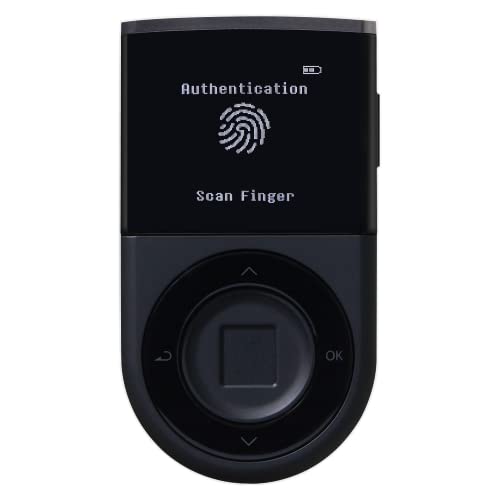
D'CENT Hardware Wallet – Biometric Cold Wallet for Crypto with Fingerprint Authentication | Secure Bluetooth Storage for Bitcoin, Ethereum, XRP, XDC, Solana, Stablecoins & More
UNMATCHED SECURITY WITH BIOMETRIC PROTECTION - Protect your crypto with certified EAL5+ Secure Element chip and advanced fingerprint...
As an affiliate, we earn on qualifying purchases.
Frequently Asked Questions
How Will Bitcoin ETFS Impact Traditional Stock Market Volatility?
You might wonder how Bitcoin ETFs impact traditional stock market volatility. They can reduce short-term shocks by weakening volatility spillovers between crypto and stocks, making markets more stable initially. However, long-term correlations can strengthen, leading to persistent linkages. As Bitcoin’s volatility declines, it may act as a hedge during market stress, but sudden ETF-related selling can still trigger localized volatility spikes, influencing the broader financial landscape.
Are Bitcoin ETFS Suitable for Long-Term Investors?
Think of Bitcoin ETFs as a double-edged sword—offering potential growth but swinging with high volatility. For long-term investors, they can be a small part of your portfolio, but only if you’re comfortable with sharp swings and risks like regulatory changes. Keep your exposure limited, around 5%, and make sure your financial foundation is solid. Patience, resilience, and ongoing monitoring are key to steering Bitcoin’s unpredictable landscape over time.
What Are the Tax Implications of Investing in Bitcoin ETFS?
You should know that investing in Bitcoin ETFs has tax implications. When you sell shares, you trigger a taxable event, with gains taxed as short-term or long-term depending on your holding period. Dividends are taxed as ordinary income. Expenses reduce your net gains, and the ETF’s structure can affect your tax rate. Keep detailed records for accurate reporting and consider how fees impact your overall returns.
How Do Bitcoin ETFS Compare to Direct Bitcoin Ownership?
Imagine holding the reins of a wild stallion versus riding in a well-oiled carriage. With direct Bitcoin ownership, you’re in control, managing private keys and riding the crypto market 24/7. But with a Bitcoin ETF, you’re sitting comfortably in the carriage, trusting professional managers to handle your assets during market hours. It’s easier, safer, but you give up some control and face management fees.
Will Bitcoin ETF Approvals Influence Global Cryptocurrency Regulations?
You might wonder if Bitcoin ETF approvals will shape global crypto rules. These approvals set a clear regulatory example, encouraging other countries to adopt similar frameworks. By establishing a streamlined process and classifying Bitcoin as a commodity, they promote harmonized standards worldwide. This move could lead to more consistent policies, attracting institutional investors and fostering innovation internationally, ultimately pushing global regulators to update or liberalize their crypto regulations.

Cryptnox Crypto Wallet Pack Of 2 - Secure Crypto Wallet Cold Storage for Bitcoin, Ethereum, Nfts & More Coins - Biometric Pairing - Encrypted NFC Tap to Sign - Bonus FIDO2 Security Key Functionality
💼 COLD STORAGE YOU CAN TRUST: Cryptnox cold wallet crypto featuring a EAL6+ certified secure elements, encrypted NFC,...
As an affiliate, we earn on qualifying purchases.
Conclusion
So, with the SEC’s latest move, you’re at a crossroads. Will this open doors or create hurdles? Will it bring stability or spark volatility? Will it boost confidence or fuel skepticism? This decision shapes your investment landscape, influences your choices, and impacts your future. Stay alert, stay informed, and recognize that every move the SEC makes echoes through the markets, shaping your opportunities and challenges ahead.
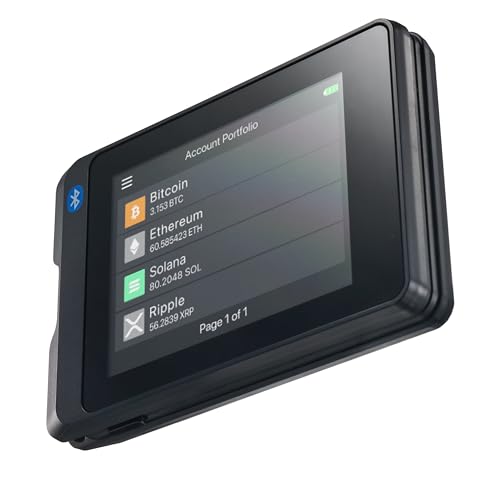
SecuX W20 Crypto Wallet with Intuitive Touchscreen, Hardware Wallet with Bluetooth, Easy to Manage Bitcoin, Ethereum, NFTs, Tokens, and Cryptocurrency with Military-Grade Security Features
Ultimate Security: Certified CC EAL5+. Infineon Solid Flash CC EAL5+ Secure Element (SE) chip embedded
As an affiliate, we earn on qualifying purchases.

ELLIPAL Titan 2.0 Crypto Cold Wallet, 100% Offline, Air-gapped - Secure Wallet for 10000+ Coins & Tokens & NFTs
【Ultimate Protection with Air-Gapped & Fully Internet Isolated Design】 ELLIPAL Titan 2.0 uses air-gapped tech for unmatched security...
As an affiliate, we earn on qualifying purchases.