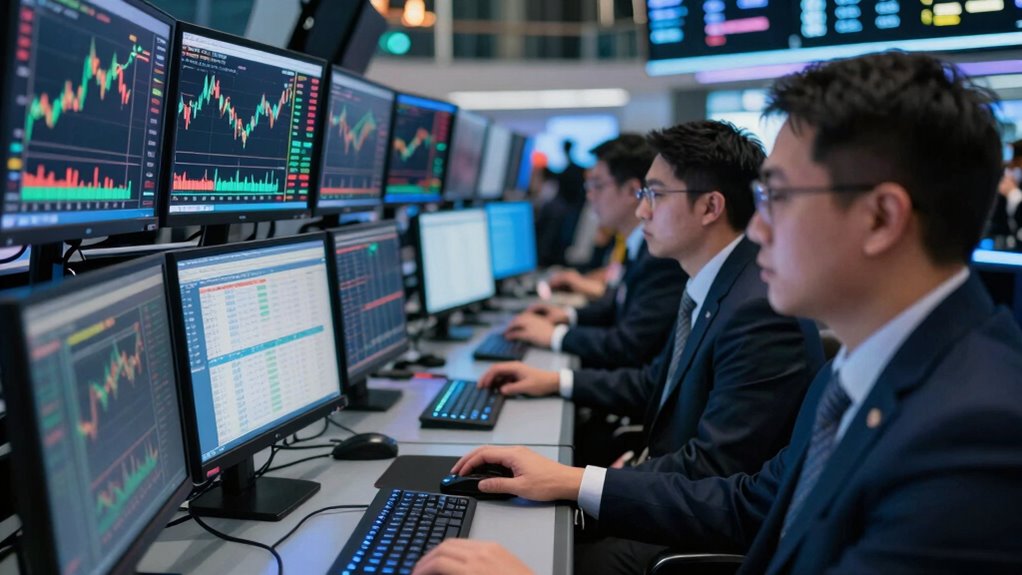

As a retail trader, you’re likely to feel the impact first as sophisticated algorithms take over and liquidity becomes more fleeting, especially during volatile times. Market visibility shrinks, making it harder to gauge true sentiment or find favorable entry points. Regulation and automation mean fewer large trades and less transparency, increasing risks and unpredictability. Staying ahead of these shifts is essential—you’ll uncover more insights into how to adapt effectively as this quiet transformation unfolds.

Get hardware and tech essentials delivered free — and shop member deals
- Fast, free delivery on millions of items
- Access to Prime Big Deal Days deals on October 6–7
- Prime Video, Amazon Music and more included
Key Takeaways
- Algorithmic trading reduces visible order book depth, making market shifts less transparent and harder for retail traders to detect early.
- Rapid liquidity fluctuations and market “evaporation” during volatility can disproportionately impact retail traders’ ability to execute trades.
- Regulatory constraints may limit retail access to comprehensive market data, increasing their vulnerability to unseen algorithmic activity.
- The increasing sophistication of algorithms can manipulate or obscure true market sentiment, challenging retail traders’ decision-making.
- Staying informed and adaptable is crucial for retail traders to navigate the evolving, faster-paced, and less transparent market environment.
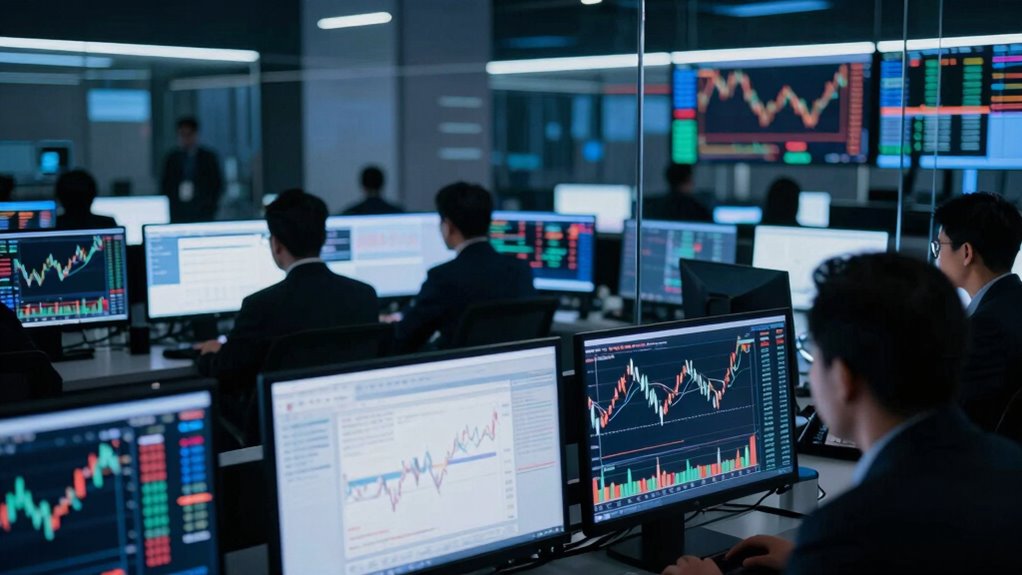
The landscape of exchange markets is undergoing a significant transformation, driven by technological advancements and changing regulatory environments. This shift isn’t immediately obvious to most retail traders, but it’s reshaping how markets operate behind the scenes. One of the most notable changes involves market liquidity. As trading platforms adopt more sophisticated trading algorithms, the way liquidity flows in the market is evolving. These algorithms execute trades at lightning speed, often in fractions of a second, which can create a more dynamic but also more unpredictable liquidity landscape. For you, this means that the ease with which you can buy or sell assets might be affected, especially during volatile periods when algorithms rapidly withdraw or inject liquidity to maximize profits or minimize risks.
Trading algorithms have become the backbone of modern exchange market structure, gradually replacing traditional order book systems. They can analyze vast amounts of data, identify trading opportunities, and execute orders faster than any human could. While these algorithms boost efficiency and reduce transaction costs, they also contribute to a quieter, less transparent market environment. You might notice fewer large trades or less visible order book depth, leading to a perception of reduced market activity. The algorithms often act in ways that hide their intentions, making it harder for retail traders to gauge the true market sentiment. This can create a false sense of stability or, conversely, sudden, sharp price swings that catch retail investors off guard.
The increasing reliance on trading algorithms and the shifting nature of market liquidity are subtly changing the landscape for retail traders. Unlike institutional players, who have access to advanced tools and data, you might find it more challenging to navigate these new dynamics. Price movements can become more abrupt, and liquidity can evaporate quickly during certain times, leaving you with less favorable entry or exit points. Additionally, regulatory changes aimed at curbing market manipulation can unintentionally tighten the environment further, making it more difficult for retail traders to access the full spectrum of market activity. This evolving environment is also influenced by the technological advancements that continue to push the boundaries of how markets function on a fundamental level. As these advancements develop, they contribute to a more complex trading landscape, requiring traders like you to stay continuously informed and adaptable. Furthermore, understanding the role of market liquidity and how it is affected by algorithms can help you better anticipate potential risks and opportunities in this new environment. For example, the exposure to market manipulation can increase as algorithms become more sophisticated, making it even more vital to stay vigilant.
Moreover, the resale value of trading tools and platforms can be affected by these market shifts, impacting your overall trading costs and strategies. This quiet shift in market structure signals a future where speed, automation, and data-driven strategies dominate. As a retail trader, staying informed about these changes is essential. Understanding how algorithms influence liquidity and market behavior can help you adapt your strategies and avoid being caught off guard by the new market realities. While the landscape may seem calmer on the surface, beneath it lies a complex, rapidly evolving environment that demands your awareness and agility.
As an affiliate, we earn on qualifying purchases.
Frequently Asked Questions
How Will Retail Traders Be Directly Affected by This Market Shift?
You’ll likely see a retail impact as the market structure shift changes how trades are executed, potentially increasing spreads or reducing liquidity. This affects your trading behavior by making it more costly or challenging to enter and exit positions quickly. You might need to adapt your strategies, be more cautious, or wait for better conditions. Staying informed about these changes helps you manage risks and avoid surprises in your trading activities.
What Specific Changes Are Happening in the Exchange Market Structure?
You’ll notice that the exchange market structure is shifting toward more automated trading and the use of liquidity pools. These changes mean that large institutions now execute trades faster and with less impact on prices. Retail traders might face wider spreads and less transparency, as liquidity pools prioritize institutional players. This evolution aims to boost efficiency but could make retail trading more challenging, requiring you to adapt your strategies.
Are There Any Legal or Regulatory Implications Involved in This Shift?
Like steering through a maze, you face legal and regulatory implications in this market shift. You must guarantee regulatory compliance, as authorities scrutinize new structures for transparency and fairness. Legal challenges may arise if existing regulations don’t adapt quickly enough, risking penalties or restrictions. Staying informed and proactive helps you avoid pitfalls, safeguarding your interests amid this evolving landscape. The key is aligning your strategies with emerging rules to maintain smooth operations.
How Long Might It Take for These Changes to Impact Everyday Trading?
You might start noticing the impact of these changes within a few weeks to months, as algorithmic trading adapts to new market structures. These adjustments could temporarily reduce market liquidity, causing wider spreads and more volatility. Over time, however, the market should stabilize, and retail traders might experience less sudden price movements. Staying informed about regulatory updates and market trends can help you anticipate and navigate these shifts effectively.
Could This Shift Lead to Increased Market Volatility or Instability?
Like a storm brewing on the horizon, this shift could trigger market disruption and increase volatility risks. As the structure changes quietly, you might see sudden price swings or unpredictable trading patterns. These signs point to potential instability, especially for retail investors. Staying alert helps you navigate turbulent waters, but be prepared for more erratic moves as the market adjusts to these subtle yet impactful shifts.
market liquidity analysis software
As an affiliate, we earn on qualifying purchases.
As an affiliate, we earn on qualifying purchases.
Conclusion
As you watch this quiet shift unfold, it’s clear the exchange market’s new structure could soon ripple through to retail traders, catching them off guard. What’s happening behind the scenes might seem subtle now, but the real impact could be just around the corner. Will you be prepared when the changes finally hit, or will you find yourself caught unawares in the storm that’s quietly brewing? The future’s still uncertain — but one thing’s for sure, change is coming.
trading platform with real-time data
As an affiliate, we earn on qualifying purchases.
As an affiliate, we earn on qualifying purchases.
retail investor market data access
As an affiliate, we earn on qualifying purchases.
As an affiliate, we earn on qualifying purchases.
Fall Picks
fall essentials
As an affiliate, we earn on qualifying purchases.