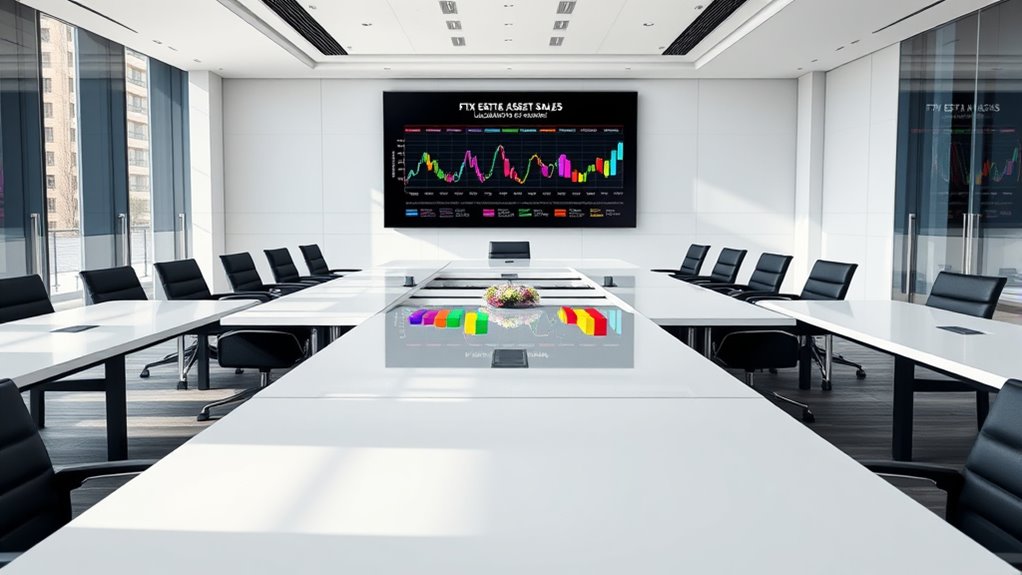

The FTX estate is actively liquidating assets like crypto holdings to fund distributions and pay creditors. They’ve already sold parts of Solana and other crypto tokens, with more assets like Solana remaining locked for liquidation. Distributions began earlier this year, with larger payouts scheduled for May 2025. Market conditions and legal proceedings influence the timeline, but ongoing asset sales aim to maximize recoveries — stay tuned to see how the schedule unfolds.
Key Takeaways
- Liquidation efforts have sold billions in assets, including approximately $21.5 million in Solana in April 2025.
- Asset sales are ongoing, with some assets like Solana still locked and pending liquidation.
- Distributions to creditors began in June 2024 and will continue through 2025, with the next major payout scheduled for May 30, 2025.
- Arrangements with distribution agents such as BitGo and Kraken are being finalized by early December 2024.
- The liquidation schedule is influenced by market conditions, asset valuation, and the progress of asset sales and settlements.

Are you wondering how the FTX estate is progressing in liquidating its assets and compensating creditors? Since filing for bankruptcy, the estate has made significant strides in recovering assets and preparing for distributions. The U.S. Bankruptcy Court confirmed the Chapter 11 Plan of Reorganization on October 7, 2024, paving the way for a structured payout process. The plan is expected to go into effect in early January 2025, with distributions to creditors beginning no later than 60 days afterward. To facilitate global payouts, arrangements with specialized distribution agents like BitGo and Kraken are being finalized by early December 2024, ensuring efficient and compliant transfers across jurisdictions.
Since June 2024, the estate has already started paying smaller creditors—those with claims under $50,000—aiming to return over 100% of their allowed claims, including interest. This initial wave of payouts has set a positive tone, demonstrating the estate’s commitment to creditor recovery. The second, larger round of distributions is scheduled for May 30, 2025, which will release over $5 billion to creditors holding bigger claims. Future payments are planned for late 2025 and beyond, contingent on ongoing asset liquidation and adjustments to claims as market conditions evolve.
The estate has recovered billions in assets through liquidations and settlements. Significantly, in April 2025, it sold approximately $21.5 million worth of Solana, and by August 2024, an additional $15 million in crypto assets had been liquidated. While some assets like Solana remain locked—about $619 million pending liquidation—the assets already converted to cash have helped amass over $11.4 billion. A recent settlement with former Alameda co-CEO Sam Trabucco added $11.21 million to the estate, further boosting the available funds for creditors. The estate continues to monitor market conditions closely to optimize asset liquidation strategies. Distributions are based on asset values from November 2022, the date of bankruptcy filing, which means recovery rates vary. Small claimants have received around 118% of their allowed claims, often more than they initially lost, thanks to the recovery of interest and asset sales. Larger creditors, however, face lower recovery percentages—some as low as 54%—due to the valuation being pegged to market prices from two years ago, which can be frustrating given current crypto market fluctuations. All payouts are made in U.S. dollars, not in cryptocurrencies, which can cause dissatisfaction among creditors holding assets like Bitcoin or Ethereum. Nonetheless, the estate’s efforts to liquidate assets and distribute cash continue to move forward, offering hope that most creditors will eventually receive meaningful reimbursements.

Amzfast 49 Inch Curved Monitor 120Hz DQHD 5120x1440p Ultrawide Gaming Monitor, 120% sRGB, 1500R, 1ms MPRT, HDR, Adaptive Sync, PIP/PBP, Height Adjustable, HDMI 2.0/DP 1.4, VESA 75x75, AMZG49C7U
【49 Inch Dual QHD Ultrawide Vision】 Featuring 49 inch curved VA panel, this ultrawide monitor delivers a Dual...
As an affiliate, we earn on qualifying purchases.
Frequently Asked Questions
How Are Proceeds From Asset Sales Distributed Among Creditors?
You might wonder how the proceeds from asset sales are shared among creditors. Once assets are liquidated, the court-approved plan kicks in, guiding the distribution. You’ll see payments made based on creditor class, with some receiving up to 120% of their claims. Distributions happen in phases, handled by custodians, and aim to pay creditors fairly, often exceeding initial claims, providing much-needed liquidity and confidence in the process.
What Impact Will Asset Sales Have on Ftx’S Remaining Operations?
Think of asset sales as the engine driving FTX’s remaining operations forward. You’ll see that these sales boost liquidity, helping cover legal and administrative costs, and support ongoing restructuring efforts. As proceeds flow in, they enable FTX to continue functioning smoothly, meet creditor payouts, and rebuild trust. This process guarantees the company stays on track, gradually winding down while maintaining transparency and confidence among stakeholders.
Are There Opportunities for Small Investors to Participate?
You’re wondering if small investors can get involved. Yes, they can participate in the distribution process, especially if they’re classified as retail or part of convenience classes. To do so, you’ll need to meet KYC and other eligibility requirements through distribution agents like BitGo and Kraken. While payouts are partial—around 61% of claims—you have opportunities to recover some funds, but participation depends on jurisdiction and compliance.
How Are Assets Valued Before Sale?
When assets are valued before sale, you should know that courts use established methods, like the Digital Asset Conversion Table, based on a specific date—November 11, 2022. They modify market prices with discounts, such as the Blockage Discount Method, to account for large holdings and market impact. This approach guarantees a fair, standardized valuation, preventing overestimation, and reflects the potential real-world value during liquidation.
What Legal Considerations Influence the Sale Process?
You might think selling assets is straightforward, but legal considerations complicate everything. Court approval is mandatory for big sales, and you must justify each transaction with solid business judgment. Ignoring court orders risks legal sanctions and unwinding the deal. Plus, regulatory laws and contractual obligations can delay or restrict sales. So, even in liquidation, you’re playing by a strict legal rulebook designed to protect creditors and ensure fairness—no shortcuts here.

Sceptre 34-Inch Curved Ultrawide WQHD Monitor (3440 × 1440), R1500, up to 180Hz/165Hz, DisplayPort x2, 99% sRGB, 1ms, Built-in Speakers, Machine Black, 2025 (C345B-QUT168)
1ms MPRT: Colors fade and illuminate instantly with a 1ms response time, eliminating ghosting and piecing together precise...
As an affiliate, we earn on qualifying purchases.
Conclusion
As you watch the estate’s asset sales unfold, the clock keeps ticking, and the stakes rise higher. Will the remaining assets release the full value needed for creditors? Every scheduled sale brings new surprises and uncertainties, leaving you on the edge of your seat. The final chapter isn’t written yet, and with each passing moment, the true outcome remains shrouded in suspense. Stay tuned — the story is far from over.
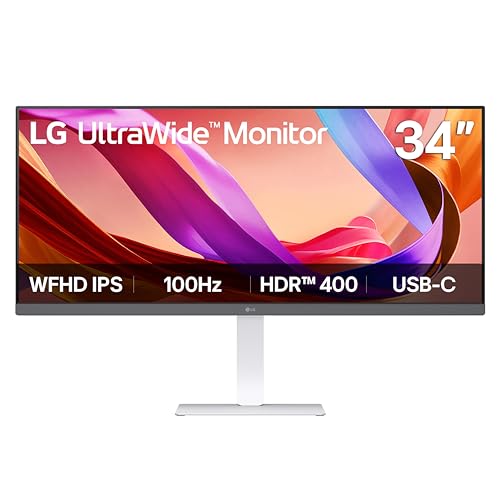
LG 34U530A-W 34-inch UltraWide WFHD (2560 x 1080) IPS Wide Computer Monitor, 100Hz, VESA DisplayHDR 400, HDMI, DisplayPort, USB Type-C, Tilt/Height/Swivel Stand, White
Effortless 21:9 Widescreen Workflows - Upgrade your desktop setup with a 34" 21:9 UltraWide Full HD display that...
As an affiliate, we earn on qualifying purchases.

INNOCN 49" OLED Ultrawide Curved Monitor 5K2K 5120 x 1440p 144Hz, 0.03ms, Computer Monitor for AI PC, USB Type C 90W, HDMI 2.1, DisplayPort, USB Hub, Speakers, Adaptive-Sync, Adjustable Stand, Black
【49 Inch Curved Monitor with QD-OLED Technology】Premium OLED Panel delivers 5k2k 5120*1440 resolution up to 144hz monitor for...
As an affiliate, we earn on qualifying purchases.