
Swiss banks expanding Bitcoin collateral services mean you can now access new liquidity options by using cryptocurrencies like Bitcoin as collateral. This move integrates crypto into traditional financing, making it easier for SMEs to secure funding and manage risks more efficiently. You’ll benefit from more flexible collateral management and improved operational efficiency. If you want to discover how this development could open up new opportunities for your business, there’s more to contemplate.
Key Takeaways
- Swiss banks now accept Bitcoin and other cryptocurrencies as collateral, broadening financing options for SMEs.
- Integration of crypto collateral streamlines operations, reducing complexity for small and medium-sized enterprises.
- Crypto-backed loans provide SMEs with quicker access to liquidity without liquidating assets.
- The new service enhances risk management, making crypto collateral safer and more reliable for SMEs.
- Switzerland’s progressive stance encourages innovative financing solutions, fostering growth for SMEs and the broader economy.

Swiss banks are taking a significant step forward in integrating cryptocurrencies into traditional finance by expanding their Bitcoin collateral services. This development reflects Switzerland’s commitment to blending innovative digital assets with established financial systems, offering new opportunities for institutional clients and potentially benefiting small and medium-sized enterprises (SMEs). The launch of the Digital Collateral Service (DCS) by SIX Group in February 2025 marks a major milestone, enabling eligible institutions to post selected cryptocurrencies—such as Bitcoin, Ethereum, Avalanche, Cardano, Solana, Ripple, and USDC stablecoin—as collateral alongside traditional assets. This dual-collateral approach streamlines portfolio management by allowing firms to use both crypto and bonds within a single exposure, reducing operational complexity and increasing flexibility.
Swiss banks expand Bitcoin collateral services, integrating cryptocurrencies with traditional finance for more flexible institutional and SME financing.
The DCS is designed to integrate seamlessly with existing collateral management workflows, leveraging SIX Group’s extensive infrastructure as one of Europe’s largest triparty agents. This means institutions can incorporate crypto collateral without the need for separate platforms, making adoption smoother and more practical. By embedding crypto assets into their collateral strategies, market participants—like product issuers, traders, brokers, and market makers—can better mitigate counterparty risks and improve operational efficiency. The service specifically targets crypto-related transactions, including those involving ETP issuers, institutional traders, and crypto exchanges, providing a traditional collateral solution that complements traditional financial processes. However, it excludes securities lending collateral usage with crypto, reflecting a cautious approach aligned with Swiss regulatory standards.
Risk management features play an essential role in this new service. Continuous monitoring of collateral value helps protect against market volatility, safeguarding loan and trade exposures. Built-in safeguards address the inherent risks of cryptocurrencies, such as price swings and counterparty concerns, ensuring stability and confidence for institutional users. Additionally, firms can swap pledged crypto collateral during the loan or trade period from segregated, locked accounts. This flexibility allows for dynamic adjustments based on market conditions, further enhancing operational control and risk mitigation.
For SMEs and other smaller entities, this innovation can open new liquidity channels. By enabling institutions to leverage crypto collateral, Swiss banks are expanding access to financing options that were previously unavailable or limited. Although the service does not support crypto collateral for all types of trades—such as those on the SIX Swiss Exchange or repo transactions—it signifies a cautious yet progressive step towards broader crypto integration. Overall, this move solidifies Switzerland’s position as a forward-thinking hub for digital assets, fostering an environment where traditional finance and blockchain innovation coexist, ultimately offering new avenues for liquidity and growth for smaller enterprises.

Heltec Gamma Crypto Miner 1.2TH/s 20W Bitcoin Miner BM1370 ASIC Chip Bitcoin Lottery Miner Wi-Fi Bluetooth Solo Bitcoin Miner, Power Supply & Stand
NMAXE Gamma Miner – 1.2TH/s Bitcoin Mining Machine with Solo Lottery Mode: Unlock the potential of solo Bitcoin...
As an affiliate, we earn on qualifying purchases.
Frequently Asked Questions
How Do Bitcoin Collateralized Loans Affect Small Business Cash Flow?
Bitcoin collateralized loans can positively impact your small business cash flow by providing quick access to funds without selling your digital assets. You can use these loans for operational costs, expansion, or inventory, often with shorter approval times and competitive interest rates. Plus, you might keep your crypto holdings intact, avoiding taxable events. However, stay cautious of market volatility, as sharp price drops could lead to margin calls and disrupt your cash flow.
Are There Specific Industries Benefiting Most From Bitcoin-Backed Financing?
You’ll find certain industries benefit more from Bitcoin-backed financing. Tech and fintech companies leverage it to fund innovation and expand digital services. SMEs, especially those in emerging markets, use crypto collateral to access new capital and improve liquidity amid economic uncertainty. Capital markets benefit through tokenized securities, reducing costs and risks. Traditional banks are also adapting, offering crypto-backed lending to wealth management and asset custody, making this financing method especially advantageous for innovative and growth-oriented sectors.
What Are the Tax Implications for SMES Using Bitcoin as Collateral?
Using Bitcoin as collateral, you’ll face tax implications in Switzerland. Your crypto remains on your balance sheet and is taxed annually based on its value, either at acquisition cost or market value. You won’t pay income tax on unrealized gains, but selling or using crypto for transactions triggers taxes. Make sure to report your crypto assets accurately, keep detailed records, and stay updated on regulations to avoid penalties.
How Secure Are Bitcoin Collateral Services Against Cyber Threats?
Imagine guarding a treasure chest in a high-security vault—you want it protected from intruders. Bitcoin collateral services use strong custodial measures, cold storage, and regulated custodians to secure your assets. While blockchain’s encryption adds a layer of safety, cyber threats like phishing and smart contract exploits still pose risks. Active monitoring, AI cybersecurity, and strict protocols help defend against hacking, but no system is entirely foolproof. Stay vigilant to protect your holdings.
Will Bitcoin Collateral Services Be Available to Startups or Only Established SMES?
You’re wondering if Bitcoin collateral services will be accessible to startups or just established SMEs. Right now, these services mainly cater to established businesses with proven assets and operational history because lenders need to assess risks. Startups often lack sufficient crypto holdings and face higher scrutiny, making access more difficult. However, as infrastructure improves and regulations evolve, there’s potential for startups to gain easier access in the future.

Bitcoin Miner BTC V2 NMMiner – 1010 H/s Hashrate, Crypto Miner for ESP32 2.8" Smart Display Development Board, Desktop Solo Lucky Miner - Yellow
2.8-inch Smart Real-Time Display: Equipped with a 2.8-inch intelligent display, this lucky miner presents hashrate, power usage, and...
As an affiliate, we earn on qualifying purchases.
Conclusion
As Swiss banks open doors to Bitcoin collateral, think of it like a bridge connecting traditional finance to the crypto frontier. Just last month, a local SME secured a loan backed by Bitcoin, turning digital assets into business fuel. This shift isn’t just a trend; it’s a transformation, revealing new opportunities for small businesses to grow and innovate. Embrace this change, and you could find your own bridge to a brighter, more flexible financial future.

Bitaxe Gamma 601 Bitcoin Miner, Open Source Solo BTC Mining Machine, BM1370 ASIC Chip, 1TH/s - 1.2TH/s SHA-256, 2.4G WiFi, Home Crypto Miner, incl. 5V Power Supply & Stand, AxeOS, Black
1-1.2TH/s Efficient Mining with BM1370 ASIC Chip: Powered by a single high-performance BM1370 ASIC chip—optimized for SHA-256 Bitcoin...
As an affiliate, we earn on qualifying purchases.
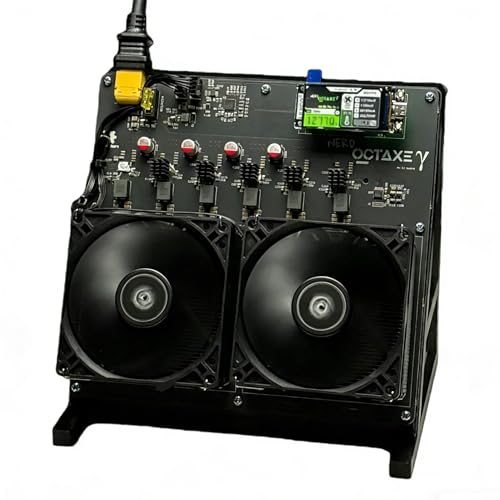
Bitcoin Home Miner Nerdqaxe++12TH/s 240W with Four Fans and Eight BM1370 ASIC Chips Dual-Fan Plug-and-Play 2.4G WiFi and Quiet for Crypto Machine Bitcoin Miner for Beginners
Powerful 12TH/s Performance at 240W:Powered by eight advanced BM1370 ASIC chips, this Bitcoin miner delivers a strong 12TH/s...
As an affiliate, we earn on qualifying purchases.