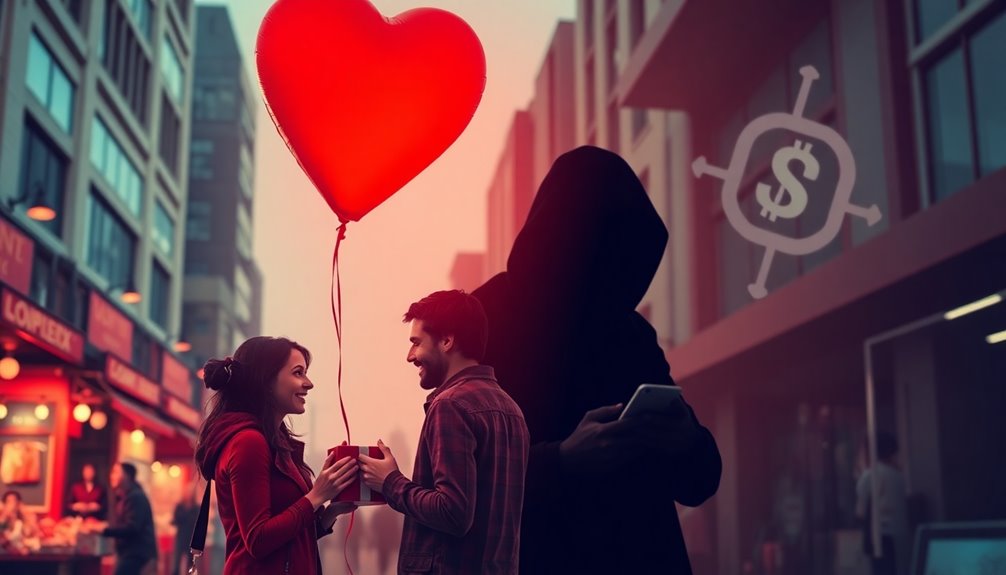

As Valentine's Day approaches, you might find yourself swept up in the spirit of love. However, the CFBI is warning you to stay vigilant against potential crypto scams that thrive on emotional connections. Scammers often create fake profiles, moving quickly to gain your trust and request money, particularly in cryptocurrency. Before you get swept off your feet, consider the risks involved. What signs should you look out for to protect yourself?
As Valentine's Day approaches, be on high alert for a surge in crypto scams that prey on emotions. Scammers love to exploit this romantic holiday, taking advantage of your vulnerability and trust. In fact, the number of romance scams skyrockets during this season, with many of them involving cryptocurrency due to its perceived anonymity and ease of transfer.
Just last year, over $1.4 billion was lost to crypto-related romance scams, a staggering figure that highlights the financial risk you face if you let your guard down. Approximately 70,000 victims reported falling for romance scams in 2022, showcasing the widespread nature of this issue.
Many scammers turn to social media and dating apps to establish fake relationships. They often create elaborate profiles, claiming to work in remote or exotic locations, which makes it easy for them to avoid meeting in person. You might find yourself drawn into a whirlwind romance, only to realize later that the person on the other side is just a con artist.
These scammers typically escalate the relationship rapidly, pushing you to develop feelings and trust quickly. If you notice things moving too fast, it's a significant red flag.
As the relationship deepens, these scammers often make urgent financial requests. They might claim they're in a medical emergency or facing a financial crisis that requires immediate assistance. One common tactic is to propose lucrative crypto investment opportunities, promising high returns that inevitably turn out to be fraudulent.
If someone you've just met online is asking for money—especially if it's in cryptocurrency—don't ignore that warning sign.
You should remain vigilant for unusual communication patterns, like strange language or poor grammar. Scammers often operate from overseas and may not have a strong command of English. If you find yourself in a situation where someone is avoiding in-person meetings, it's a clear indicator they're trying to maintain anonymity for a reason.
To protect yourself, verify profiles by conducting reverse image searches. Don't hesitate to share your concerns with friends or family; an objective perspective can help you see red flags you might miss.
If you suspect you're being scammed, report the activity to relevant authorities and platforms. Always use strong, unique passwords for your online accounts to prevent unauthorized access.
This Valentine's Day, keep your heart safe and your wallet even safer. Stay alert, trust your instincts, and don't let love blind you to the potential dangers lurking in the digital world.
Top picks for "valentine x2019 alert"
Open Amazon search results for this keyword.
As an affiliate, we earn on qualifying purchases.