
📊 Full opportunity report: DDR5 Now, DDR6 Soon: A Buyer’s Field Guide on ThorstenMeyerAI.com — validation score, market gap, and execution plan.
TL;DR
With DDR5 prices stabilizing and DDR6 still in early development, buyers should prioritize DDR5 for 2026 builds. DDR6 is not yet ready for mainstream use and will arrive around 2027, with higher costs and compatibility issues.
DDR5 memory remains the recommended choice for 2026 PC builds, as DDR6 is not yet commercially available for mainstream desktops and will arrive only in 2027. Industry experts emphasize that waiting for DDR6 to arrive at a lower price or for better compatibility is unlikely to save money, given the current market conditions and upcoming platform requirements.
Manufacturers have confirmed that DDR5-6000 with CL30 timings remains the optimal balance of speed and cost for most users, with higher-speed kits offering minimal real-world benefits. DDR4 is no longer recommended for new builds, as its production is ending and prices are comparable to DDR5, which offers future-proofing.
DDR6, on the other hand, is still in development, with specifications finalized but products not yet available. It promises significant performance improvements, including increased bandwidth and new physical form factors like CAMM2 modules, but requires entirely new CPUs, chipsets, and motherboards. The launch is staged, starting with enterprise and AI servers in 2026–27, moving to consumer desktops in 2027, but broad availability isn’t expected until around 2030.
Experts warn that early adopters of DDR6 will face high prices, limited capacities, and potential stability issues, making it unsuitable for most users in 2026. For those building long-term workstations or engaged in bandwidth-intensive tasks like scientific computing or AI, waiting until 2027 or later might be justified, but for gaming and general use, DDR5 remains the best choice.
DDR5 now, DDR6 soon
A buyer’s field guide. The 20-year instinct — wait for prices to drop, or wait for the next generation — is broken this cycle. Buy the DDR5 you actually need now; don’t wait for DDR6. Here’s the reasoning.
Driven to end-of-life, production slashed. Same money, dead-end socket. Leave a working DDR4 box alone — but never start a new build on DDR4 to “save.”
A framework, not a gamble. Buy the DDR5 you need now, at the sweet spot, in the capacity you’ll actually use — don’t buy DDR4, don’t wait for DDR6. The two costliest mistakes in this market are the ones that feel prudent: waiting for a price drop that isn’t coming, and waiting for a next-gen part that launches dearer than what’s on the shelf. Next: The SSD Squeeze.
Why Immediate DDR5 Purchase Is the Best Move
Given current market conditions, buying DDR5 now ensures compatibility with upcoming platforms and avoids the premium costs and uncertainties associated with DDR6. Delaying purchases in hopes of lower prices or a better DDR6 rollout could result in missing out on platform improvements and increased costs later, especially as the memory shortage persists into 2028.
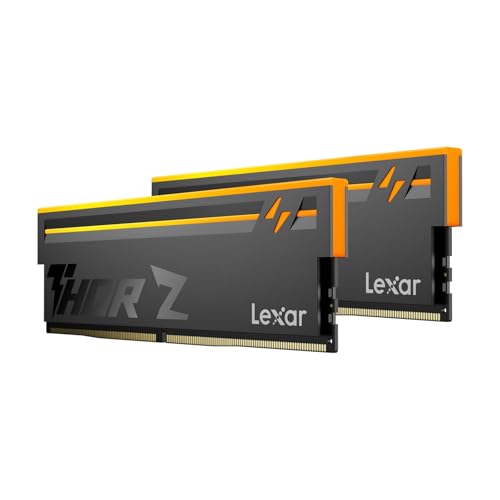
Lexar Thor Z RGB DDR5 RAM 32GB Kit (2x16GB) 6000MHz CL38 DRAM 288-Pin UDIMM
- High-Speed Performance: 6000MHz DDR5 RAM with low latency
- Large Capacity: 32GB (2x16GB) kit for multitasking
- Robust Thermal Design: Sandblasted aluminum heatsink for cooling
As an affiliate, we earn on qualifying purchases.
As an affiliate, we earn on qualifying purchases.
2026 Memory Market and Future DDR6 Development Timeline
Memory prices surged in recent years due to supply chain disruptions, leading to a market where DDR5 prices stabilized at high levels. Industry forecasts indicate that DDR6 will only become mainstream around 2027–30, with initial adoption limited to enterprise and high-end applications. The transition from DDR4 to DDR5 has been smooth for most users, but DDR6’s new architecture and physical form factor mean a complete platform overhaul.
Manufacturers have finalized DDR6 standards, but products are not yet available, and early samples face issues like limited capacity and higher costs. Historically, new memory standards take several years to reach mainstream adoption, and DDR6 is no exception.
“DDR6 will bring significant bandwidth improvements, but it requires entirely new platforms and won’t be available for mainstream use before 2027.”
— Hardware manufacturer spokesperson

G.SKILL Flare X5 Series DDR5 RAM (AMD EXPO & Intel XMP 3.0) 32GB (2x16GB) 6000MT/s CL36-36-36-96 1.35V Desktop Computer Memory U-DIMM – Matte Black (F5-6000J3636F16GX2-FX5)
- Series Name: G.SKILL Flare X5 Series
- Memory Type: DDR5 U-DIMM Memory Kit
- Capacity: 32GB (2x16GB)
As an affiliate, we earn on qualifying purchases.
As an affiliate, we earn on qualifying purchases.
Unconfirmed Aspects of DDR6 Adoption and Pricing
While specifications for DDR6 have been finalized, actual product availability, pricing, and stability are still uncertain. Early DDR6 modules may face compatibility issues, and the true cost difference compared to DDR5 remains to be seen. Additionally, the timeline for widespread adoption beyond high-end applications is still developing, with some industry insiders suggesting delays could extend beyond 2027.

SJZBIN 10Pcs DDR Memory RAM Module Case Plastic Box Packaging Container Clamshell Antistatic Tray for DDR2, DDR3 and DDR4 Long DIMM Desktop Memory RAM Module
- Material: Plastic
- Color Options: Black and transparent
- Dimensions: 128mm length, 0.3mm wall thickness
As an affiliate, we earn on qualifying purchases.
As an affiliate, we earn on qualifying purchases.
Next Steps for Buyers and Industry Watchers
Consumers should focus on selecting high-quality DDR5 modules aligned with their workload needs, particularly DDR5-6000 CL30 kits. Monitoring JEDEC standards and motherboard compatibility lists will help identify when DDR6 modules become available and validated for consumer use. Industry analysts expect the first DDR6-compatible CPUs and motherboards to appear in late 2026 or early 2027, with broader adoption following over the next few years.
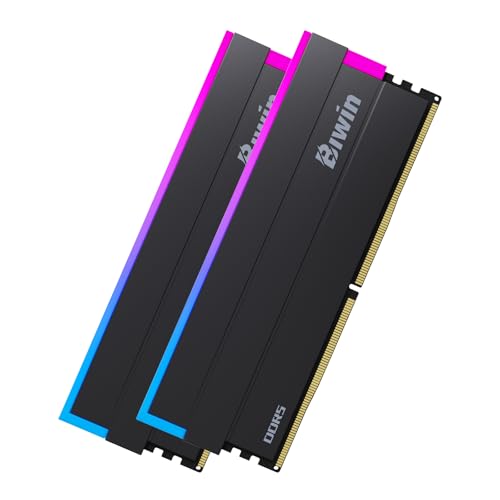
Biwin Black Opal DW100 DDR5 RGB RAM 48GB (24GBx2) 6000MHz CL28 Computer Memory Intel XMP 3.0 AMD Expo Compatible- Black – DW100-48GB-6000-1R8-D28FB
- High-Speed DDR5 Memory: 6000MHz for fast performance
As an affiliate, we earn on qualifying purchases.
As an affiliate, we earn on qualifying purchases.
Key Questions
Should I buy DDR4 memory in 2026?
No. DDR4 is nearing end-of-life, and new builds should focus on DDR5 to ensure future compatibility and performance.
Is DDR6 worth waiting for in 2026?
For most users, no. DDR6 will not be available for mainstream desktops until around 2027, and early versions may be expensive and unstable. It’s better to buy DDR5 now for immediate needs.
How do I choose the right DDR5 kit?
Opt for DDR5-6000 CL30 modules, which offer the best balance of speed and price for most platforms. Higher speeds provide minimal real-world benefit at current prices.
Will DDR6 provide a significant performance boost for gaming?
Most gaming workloads do not benefit substantially from DDR6’s increased bandwidth. Its advantages are more relevant for bandwidth-intensive tasks like AI, scientific computing, or heavy rendering.
When will DDR6 become affordable for mainstream users?
Expect DDR6 to reach mainstream pricing around 2030, after initial enterprise adoption and platform stabilization.
Source: ThorstenMeyerAI.com