

Account Abstraction on Ethereum makes managing your digital assets simpler and more secure by allowing customizable and smarter wallets. Instead of relying solely on traditional addresses and private keys, you can use wallets that support features like multi-signature approvals or pay fees on your behalf. This system improves usability and security without needing technical expertise, and it’s designed to work seamlessly across different platforms. If you’re curious, exploring further will reveal how it could change your Ethereum experience.
Key Takeaways
- Account Abstraction simplifies Ethereum accounts by allowing custom logic, making wallets more user-friendly and flexible.
- ERC-4337 enables smart contract wallets and gasless transactions without changing Ethereum’s core protocol.
- Programmable wallets support features like multi-signature security and third-party fee payments.
- UserOperations and EntryPoint contract coordinate transaction processing, enhancing security and usability.
- Overall, Account Abstraction aims to make Ethereum more accessible, secure, and adaptable for everyday users.

Have you ever wondered how Ethereum could become more user-friendly and flexible? The answer lies in a concept called Account Abstraction (AA). Normally, Ethereum uses simple user accounts called Externally Owned Accounts (EOAs), which rely on cryptographic keys for security. These accounts work well but can be complicated for everyday users, especially when it comes to managing keys or customizing security measures. Account Abstraction aims to change that by making these accounts more adaptable, allowing smart contracts to act as user accounts with their own logic. Instead of being limited by rigid rules, smart wallets can be programmed to store assets and execute transactions in ways that suit individual preferences. This approach lets developers create flexible, secure, and user-friendly wallets, making Ethereum easier to use for everyone. Vitalik Buterin, Ethereum’s co-founder, has championed AA as essential for broader adoption because it addresses common usability and security issues.
A key development in this space is the ERC-4337 standard, which implements account abstraction without requiring changes to the core Ethereum protocol. This standard, launched in early 2023, introduces a new way of handling transactions through a system of smart contracts called EntryPoint and bundled operations known as UserOperations. With ERC-4337, you can use smart contract wallets as your main accounts, just like traditional wallets but with added capabilities. These wallets can support multi-signature security, meaning multiple approvals are needed for transactions, or even gasless transactions, where someone else pays the fees. The standard also allows for customized validation logic, giving developers the freedom to design wallets that suit specific needs. This creates a smoother experience for users and allows developers to embed account features directly into applications. Additionally, these innovations are compatible with various Layer 2 solutions, further enhancing scalability and usability.
Furthermore, the concept of programmable security features is a significant part of this evolution, enabling tailored access controls and recovery options. On the technical side, instead of sending simple transactions, your wallet would generate UserOperations—detailed objects containing transaction data, signatures, fee information, and other metadata. These are then collected by entities called bundlers, which gather and verify multiple UserOperations before submitting them on-chain. An EntryPoint smart contract acts as the gateway, processing and validating these operations atomically—that is, all at once. Additionally, paymasters can sponsor transaction fees, enabling gasless transactions. This means you might not need to worry about holding native tokens for gas or navigating complex fee mechanics. Instead, the system simplifies interactions, making blockchain access more approachable for newcomers.

ELLIPAL Titan 2.0 Crypto Cold Wallet, 100% Offline, Air-gapped - Secure Wallet for 10000+ Coins & Tokens & NFTs
【Ultimate Protection with Air-Gapped & Fully Internet Isolated Design】 ELLIPAL Titan 2.0 uses air-gapped tech for unmatched security...
As an affiliate, we earn on qualifying purchases.
Frequently Asked Questions
How Does Account Abstraction Impact Transaction Fees?
You might wonder how account abstraction affects transaction fees. It can increase costs because transactions go through more complex contract calls, which use more gas. However, bundling multiple operations reduces overall fees per transaction, and flexible payment options like gasless transactions or third-party sponsorships can lower your out-of-pocket expenses. While some costs might rise due to added complexity, smart strategies help you save on transaction fees overall.
Will Account Abstraction Make Smart Contracts More Secure?
You’re asking if account abstraction will make smart contracts more secure. Well, it’s a step in the right direction, giving you advanced security features like multi-signature approval, social recovery, and multi-factor authentication. These tools help prevent hacks and reduce single points of failure. While it doesn’t eliminate all risks, it’s like adding extra locks—making your smart contracts harder for attackers to break into.
Can Account Abstraction Be Implemented on Other Blockchains?
Yes, you can implement account abstraction on other blockchains. It’s a versatile concept that involves making account logic programmable, allowing for custom authorization, multi-signatures, and better user experience. Many blockchains with smart contract support, like Solana, Binance Smart Chain, and Polygon, are exploring or adopting AA features. However, implementation varies depending on each chain’s architecture and capabilities, and some may need protocol upgrades to fully support AA principles.
How Does Account Abstraction Affect User Privacy?
You might wonder how account abstraction impacts your privacy. It improves privacy by hiding transaction details through smart contract wallets, so observers can’t see everything. Instead of exposing private keys, smart contracts manage your transactions, reducing risks. You can also batch multiple transactions, making it harder to link activities. While it doesn’t make everything completely private, account abstraction offers better control over what information gets revealed, enhancing your overall privacy.
What Are the Potential Risks of Adopting Account Abstraction?
You’re likely aware that new features bring fresh opportunities, but they also carry subtle challenges. Adopting account abstraction might introduce risks like complex development, security vulnerabilities, and ecosystem fragmentation. You could face issues with smart contract bugs, unauthorized access, or inconsistent support across platforms. While it offers innovation, you’ll need to navigate these potential pitfalls carefully to facilitate a smooth shift and maintain the safety of your assets.

Keystone - Cryptocurrency Hardware Wallet Air-gapped, 4-inch Touch Screen, Store Your Crypto Securely (Keystone 3 Pro)
Visit guide.keyst.one for speedy set up. If you are facing charging/battery issue, please update your Keystone to V-1.5.6...
As an affiliate, we earn on qualifying purchases.
Conclusion
Imagine you’re designing a wallet that can authorize transactions using your face or voice instead of just a password. That’s what account abstraction on Ethereum enables—you become more flexible and secure. This innovation could revolutionize how you interact with blockchain apps. As real projects start adopting these features, you’ll see more personalized and user-friendly experiences. Embrace this change, and you’ll stay ahead in the evolving world of blockchain technology.
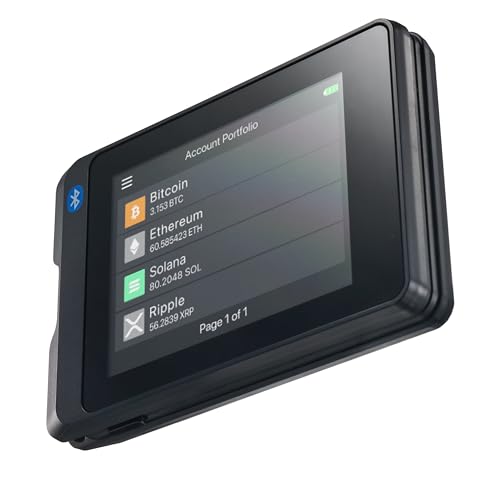
SecuX W20 Crypto Wallet with Intuitive Touchscreen, Hardware Wallet with Bluetooth, Easy to Manage Bitcoin, Ethereum, NFTs, Tokens, and Cryptocurrency with Military-Grade Security Features
Ultimate Security: Certified CC EAL5+. Infineon Solid Flash CC EAL5+ Secure Element (SE) chip embedded
As an affiliate, we earn on qualifying purchases.
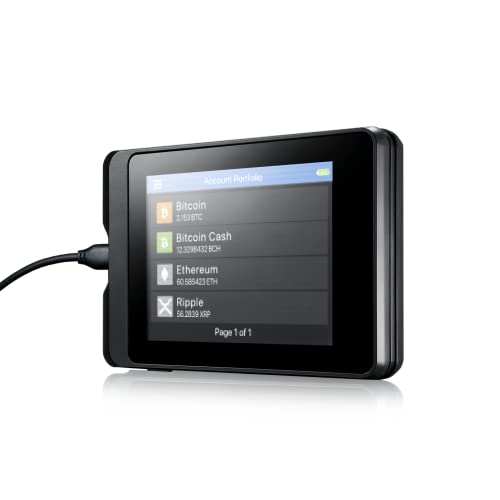
SecuX W10 Crypto-Asset Hardware Wallet - The Ideal Solution for Safely Storing Your Bitcoin, Ethereum, Ripple, Litecoin, Bitcoin Cash and More
SECURE - The SecuX hardware wallet has a complete suite of security features in place, from protected production...
As an affiliate, we earn on qualifying purchases.