
Even with air-gapped signing systems, many overlook internal vulnerabilities that pose serious risks. These can occur during manufacturing, transportation, or maintenance, and are often ignored in favor of external threats. Trusted insiders or compromised hardware and firmware updates can introduce malware without internet access, creating a hidden foothold. Staying aware of these internal risks and implementing rigorous verification measures can greatly strengthen your security posture—if you keep exploring, you’ll uncover more vital insights.
Open a free Amazon Business account
Business pricing, bulk buying and tax-exempt orders.
As an affiliate, we earn on qualifying purchases.
Key Takeaways
- Internal vulnerabilities during manufacturing or maintenance can bypass air-gap protections.
- Supply chain tampering with hardware or firmware introduces risks often overlooked in air-gapped systems.
- Insider threats pose a significant risk, even in physically isolated environments.
- Attack vectors like compromised portable media or firmware updates can infiltrate air-gapped networks.
- Relying solely on physical separation neglects the importance of verifying hardware and supply chain integrity.
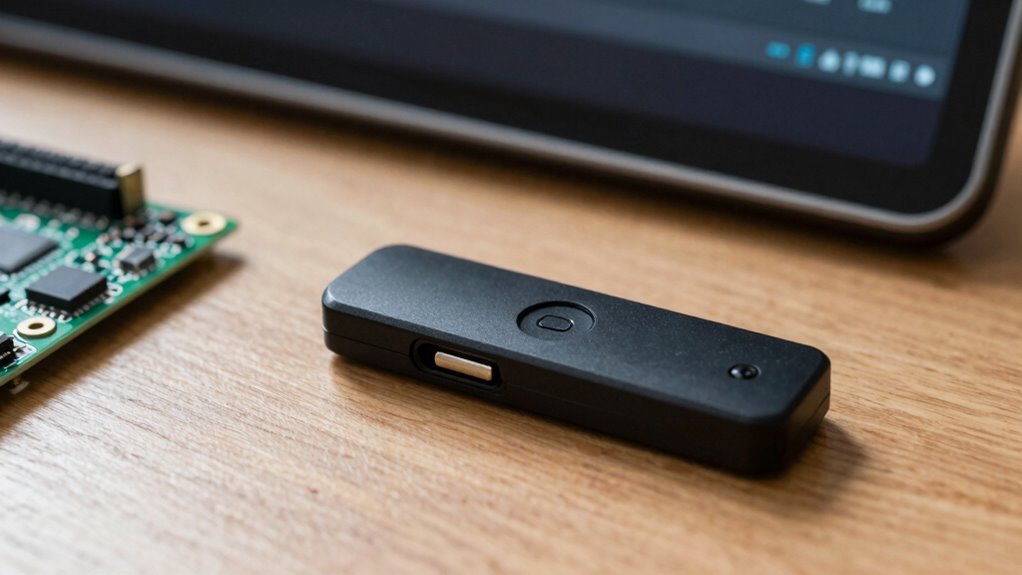
While air-gapped systems are designed to isolate critical signing processes from external threats, they are not invulnerable. You might think that physically separating sensitive equipment from the internet and other networks provides foolproof protection. However, the real vulnerabilities often come from within, especially through the supply chain and insider threats. When you contemplate the entire lifecycle of your hardware and software, you realize that threats don’t just originate from outside adversaries; they can infiltrate at any point during manufacturing, transportation, or maintenance.
Air-gapped systems are vulnerable internally through supply chain and insider threats.
Supply chain risks are particularly insidious because they’re often overlooked. When you acquire hardware or software components, you rely on third-party vendors, manufacturers, and logistics providers. If these entities are compromised or negligent, malicious code or hardware implants could be introduced before the equipment even reaches your facility. Such tampering might go unnoticed, especially if you lack rigorous verification processes. Once integrated into your air-gapped environment, these compromised components can give an attacker a foothold to bypass physical isolation measures.
Insider threats pose an equally significant challenge. No matter how secure your environment seems, a trusted employee or contractor with access to the system can become a vulnerability. These insiders might intentionally or unintentionally introduce malware, steal sensitive signing keys, or manipulate hardware during maintenance or upgrades. Because air-gapped systems are designed to be physically isolated, many assume they’re immune to insider threats, but that’s a dangerous misconception. Employees with legitimate access can exploit their position, especially if proper security protocols and monitoring aren’t in place.
You also need to contemplate the risk of supply chain attacks on firmware updates or portable media used to transfer data between your secure environment and external sources. For example, a compromised USB drive or corrupted firmware update can introduce malware directly into your air-gapped system without needing an internet connection. Attackers increasingly target these supply chain vectors because they’re often less scrutinized, making them an attractive route for stealthy intrusions. Additionally, verification processes are crucial in reducing these risks, ensuring the integrity of hardware and software before deployment. Furthermore, understanding the hardware supply chain lifecycle can help identify potential weak points that could be exploited by malicious actors.
Ultimately, the weak point in air-gapped signing isn’t just about external hacking; it’s about trusting every element along the supply chain and every individual with access. You must implement strict vetting of suppliers, conduct thorough hardware and software verification, and enforce strong insider threat mitigation strategies. This layered approach helps ensure that your air-gapped system remains truly isolated and secure against both external and internal threats.
hardware supply chain verification tools
As an affiliate, we earn on qualifying purchases.
As an affiliate, we earn on qualifying purchases.
Frequently Asked Questions
How Do Attackers Initially Gain Access to Air-Gapped Networks?
You might assume air-gapped networks are safe, but attackers often exploit insider threats or supply chain vulnerabilities to gain initial access. They could trick employees into installing malicious software or compromise hardware components during manufacturing or delivery. Once inside, they can bypass physical isolation, making it critical to monitor insider activity and scrutinize supply chain security to prevent these covert breaches.
Can Physical Theft Compromise Air-Gapped Signing Systems?
Yes, physical theft can compromise air-gapped signing systems. Imagine an insider threat stealing a secure signing device during supply chain transit, then using it to inject malicious code. This highlights vulnerabilities beyond remote hacking, emphasizing supply chain security and insider risks. Even with air gaps, physical access breaches remain a threat, making strict access controls and thorough inspections essential to protect these critical systems from theft and tampering.
What Are the Best Practices for Detecting Breaches in Air-Gapped Environments?
You should implement strict monitoring to detect breaches in air-gapped environments, especially from insider threats or supply chain compromises. Regularly audit system access logs, use anomaly detection tools, and enforce strict access controls. Conduct ongoing security training for staff to recognize suspicious activities. Keep your supply chain transparent, verifying hardware and software sources. Combining these practices helps you identify potential breaches early and strengthen your air-gapped security.
Are There Specific Hardware Vulnerabilities in Air-Gapped Signing Devices?
You should be aware that air-gapped signing devices can have hardware vulnerabilities like hardware backdoors and firmware vulnerabilities. These hidden flaws can be exploited even without network access, allowing attackers to bypass security. To mitigate this, regularly update firmware, source hardware from trusted vendors, and perform rigorous hardware audits. Staying vigilant about these vulnerabilities helps guarantee your signing devices remain secure against sophisticated attacks.
How Often Should Air-Gapped Signing Keys Be Rotated?
You should rotate your air-gapped signing keys regularly, ideally every one to three years, to minimize risks. Incorporate key rotation into your security practices and guarantee secure storage of old keys during the changeover. Regular rotation reduces the impact if a key is compromised. Keep track of expiration dates and update your procedures accordingly, maintaining strict control over secure storage throughout the process.
firmware integrity check software
As an affiliate, we earn on qualifying purchases.
As an affiliate, we earn on qualifying purchases.
Conclusion
Remember, even in the fortress of air-gapped signing, a single overlooked door can let in shadows. Like a silent sentinel, the weak point is often invisible until it’s too late. Stay vigilant, because no security is truly impenetrable—just a carefully guarded lantern flickering in the darkness. Keep your defenses sharp, and don’t let complacency be the thief lurking in the night, waiting for that one forgotten crack to slip through.
As an affiliate, we earn on qualifying purchases.
air-gapped system security hardware
As an affiliate, we earn on qualifying purchases.
As an affiliate, we earn on qualifying purchases.
NFL season / tailgating Picks
team gear
As an affiliate, we earn on qualifying purchases.