
Bitcoin is fueling the rise of decentralized insurance by enabling peer-to-peer platforms that cut out traditional middlemen. These platforms use blockchain technology to guarantee transparency, security, and automated claims through smart contracts. Tokenized policies give you more control and easier management of your coverage. As this innovative space grows, it offers faster, cheaper, and more trustworthy insurance solutions. To discover how this revolution is reshaping risk management, keep exploring the details behind these advancements.
Key Takeaways
- Bitcoin enables peer-to-peer decentralized insurance platforms by providing a secure, transparent cryptocurrency foundation.
- Blockchain tokenization of policies increases liquidity, transferability, and simplifies policy management.
- Smart contracts automate claims processing and enforcement, reducing delays and human error.
- Security vulnerabilities in smart contracts pose risks, emphasizing the need for rigorous code audits.
- Transparency and traceability on the blockchain help prevent fraud and build trust in decentralized insurance.

Decentralized insurance is transforming the way people protect themselves by leveraging blockchain technology and cryptocurrencies like Bitcoin. Instead of relying on traditional insurance companies, you now have access to peer-to-peer platforms that operate transparently and efficiently. These platforms use smart contract security to automate claims processing and policy enforcement, reducing the risk of errors and fraud. When you purchase insurance through a decentralized system, your coverage is often tokenized—meaning your policy is represented as a digital asset on the blockchain. This process of insurance tokenization makes policies more liquid, transferable, and easier to verify, giving you greater control over your coverage and claims.
By utilizing blockchain technology, decentralized insurance platforms eliminate many intermediaries, which notably cuts costs and increases transparency. You can see every transaction and claim history on the blockchain, ensuring there’s no ambiguity or hidden fees. The smart contracts that underpin these systems are self-executing agreements that automatically trigger payments when predefined conditions are met. For example, if you insure your Bitcoin holdings against theft or loss, a smart contract could automatically release funds to your wallet once verified proof of loss is submitted. This automation accelerates payouts, often making the process faster than traditional insurance claims.
Decentralized insurance reduces costs with transparent, blockchain-based transactions and automated payouts through secure smart contracts.
However, smart contract security is crucial to the integrity of decentralized insurance. You need to be aware of potential vulnerabilities in these automated agreements. Poorly coded smart contracts could be exploited, leading to loss of funds or unfair claim settlements. That’s why reputable platforms prioritize rigorous code audits and ongoing security updates. When you choose a decentralized insurer, you’re trusting that their smart contracts are secure and resistant to hacking attempts. Insurance tokenization also contributes to transparency, as each tokenized policy can be easily tracked and verified on the blockchain, reducing the chance of disputes or fraud.
In essence, decentralized insurance powered by blockchain and Bitcoin offers you a more direct, transparent way to protect your assets. The use of smart contract security ensures that your claims are handled fairly and automatically, while insurance tokenization makes policies flexible and accessible. This innovative approach not only reduces costs but also enhances your confidence, knowing that your coverage is secured by transparent technology and secure agreements. As the ecosystem matures, you’ll likely see more platforms adopting best practices for smart contract security and expanding the use of insurance tokenization, making decentralized insurance an increasingly appealing choice for your financial safety net.
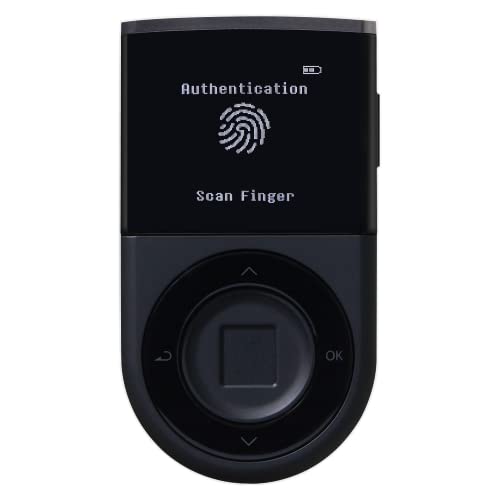
D'CENT Hardware Wallet – Biometric Cold Wallet for Crypto with Fingerprint Authentication | Secure Bluetooth Storage for Bitcoin, Ethereum, XRP, XDC, Solana, Stablecoins & More
UNMATCHED SECURITY WITH BIOMETRIC PROTECTION - Protect your crypto with certified EAL5+ Secure Element chip and advanced fingerprint...
As an affiliate, we earn on qualifying purchases.
Frequently Asked Questions
How Does Decentralized Insurance Differ From Traditional Insurance?
Decentralized insurance differs from traditional insurance by using smart contracts that automatically handle policies and claims. You don’t rely on a central authority; instead, claim verification is automated, reducing delays and fraud. You interact directly with the system, which guarantees transparency and fairness. This approach often lowers costs and increases accessibility, giving you more control over your coverage and claims without the need for intermediaries.
What Are the Main Risks Associated With Decentralized Insurance Platforms?
You face risks like fraud detection issues and claim verification challenges on decentralized insurance platforms. Without centralized oversight, fraud can go unnoticed, and verifying claims might take longer or be less reliable. You also risk smart contract vulnerabilities, which hackers can exploit. It’s essential to stay cautious, make sure the platform has robust security measures, and understand how claims are verified to protect yourself from potential losses.
Can Decentralized Insurance Cover All Types of Risks?
Like Pandora’s box, decentralized insurance can’t cover every risk. While smart contracts efficiently automate claims and risk pooling spreads out vulnerabilities, certain risks—like those requiring expert judgment or unpredictable events—remain hard to insure. You might find that some areas, especially complex or novel risks, aren’t fully addressed by decentralized platforms, leaving gaps where traditional insurance still holds an advantage.
How Does Bitcoin Enhance the Security of Decentralized Insurance?
Bitcoin enhances the security of decentralized insurance by leveraging cryptographic protocols that protect transaction data and user identities. Its blockchain transparency allows you to verify all transactions openly, reducing fraud and increasing trust. When you use Bitcoin within decentralized insurance platforms, you benefit from a secure, tamper-proof system that guarantees your assets and claims are safe, providing peace of mind through robust security measures built into the technology.
What Regulatory Challenges Do Decentralized Insurance Providers Face?
Oh, the irony is rich—decentralized insurance providers struggle with regulatory compliance and legal frameworks, even as they promise transparency and autonomy. You face challenges maneuvering through ever-changing rules and unclear laws that aren’t designed for blockchain-based models. This friction hampers growth, forcing you to adapt quickly or risk being shut down. Ultimately, the regulatory maze remains the biggest hurdle, threatening to undermine the very decentralization you aim to achieve.

Cryptnox Crypto Wallet Pack Of 2 - Secure Crypto Wallet Cold Storage for Bitcoin, Ethereum, Nfts & More Coins - Biometric Pairing - Encrypted NFC Tap to Sign - Bonus FIDO2 Security Key Functionality
💼 COLD STORAGE YOU CAN TRUST: Cryptnox cold wallet crypto featuring a EAL6+ certified secure elements, encrypted NFC,...
As an affiliate, we earn on qualifying purchases.
Conclusion
As you explore the world of decentralized insurance powered by Bitcoin, you’re witnessing a financial revolution that’s transforming the way we protect ourselves. This innovation is so groundbreaking, it’s like having a superhero shield for your assets in the digital age. Embrace the future, because decentralized insurance isn’t just a trend—it’s the unstoppable force rewriting the rules of financial security. Get ready to ride the wave of this epic change!
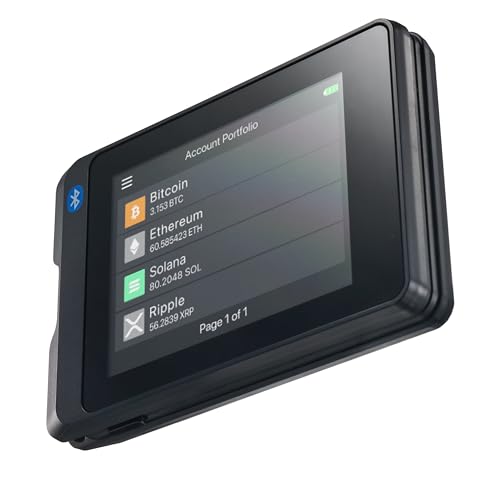
SecuX W20 Crypto Wallet with Intuitive Touchscreen, Hardware Wallet with Bluetooth, Easy to Manage Bitcoin, Ethereum, NFTs, Tokens, and Cryptocurrency with Military-Grade Security Features
Ultimate Security: Certified CC EAL5+. Infineon Solid Flash CC EAL5+ Secure Element (SE) chip embedded
As an affiliate, we earn on qualifying purchases.

Keystone - Cryptocurrency Hardware Wallet Air-gapped, 4-inch Touch Screen, Store Your Crypto Securely (Keystone 3 Pro)
Visit guide.keyst.one for speedy set up. If you are facing charging/battery issue, please update your Keystone to V-1.5.6...
As an affiliate, we earn on qualifying purchases.