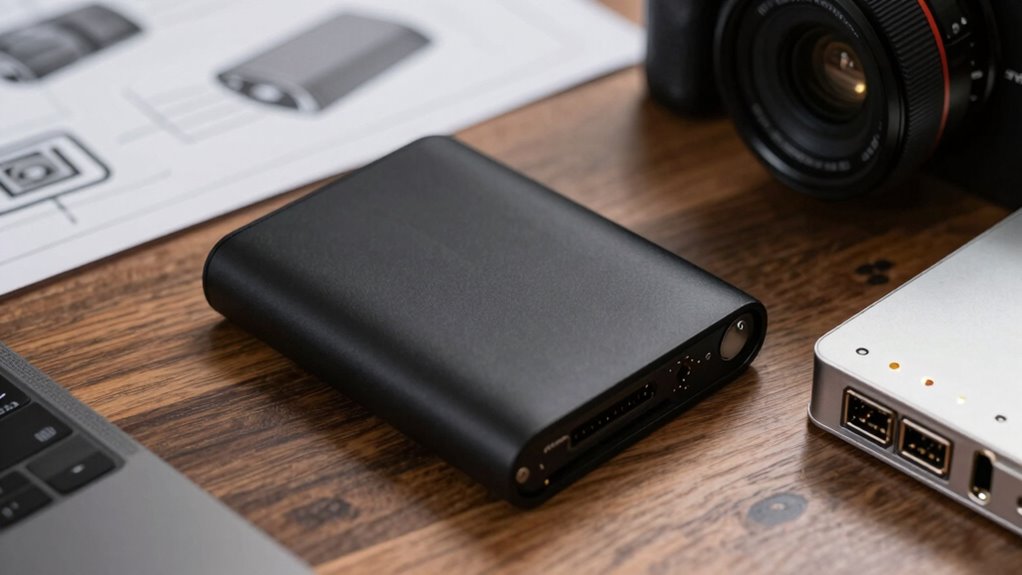

HSMs and hardware wallets may seem similar because both store cryptographic keys securely, but their threat models are quite different. HSMs protect enterprise-level keys from remote breaches and insider threats, operating in secure data centers for high-volume processing. Hardware wallets focus on safeguarding individual private keys from online exposure and physical theft, emphasizing portability and user security. Understanding these differences helps clarify their unique roles—keep exploring to see how their designs match their specific risks.

Get hardware and tech essentials delivered free with Prime
- Fast, free delivery on millions of items
- Prime Video, Amazon Music and more included
- Member-only deals all year
Key Takeaways
- HSMs protect enterprise-level cryptographic keys against remote breaches and insider threats, unlike hardware wallets focused on individual asset security.
- HSMs operate in tamper-resistant data centers for high-volume processing, whereas hardware wallets are portable for personal use.
- Threat models differ: HSMs defend against organized attacks on organizational infrastructure, hardware wallets against theft and malware targeting individuals.
- HSMs enable secure management of digital certificates and secure communications, while hardware wallets primarily secure private keys for cryptocurrency transactions.
- Environment and purpose dictate security priorities; HSMs optimize enterprise cryptography, hardware wallets prioritize offline private key protection.
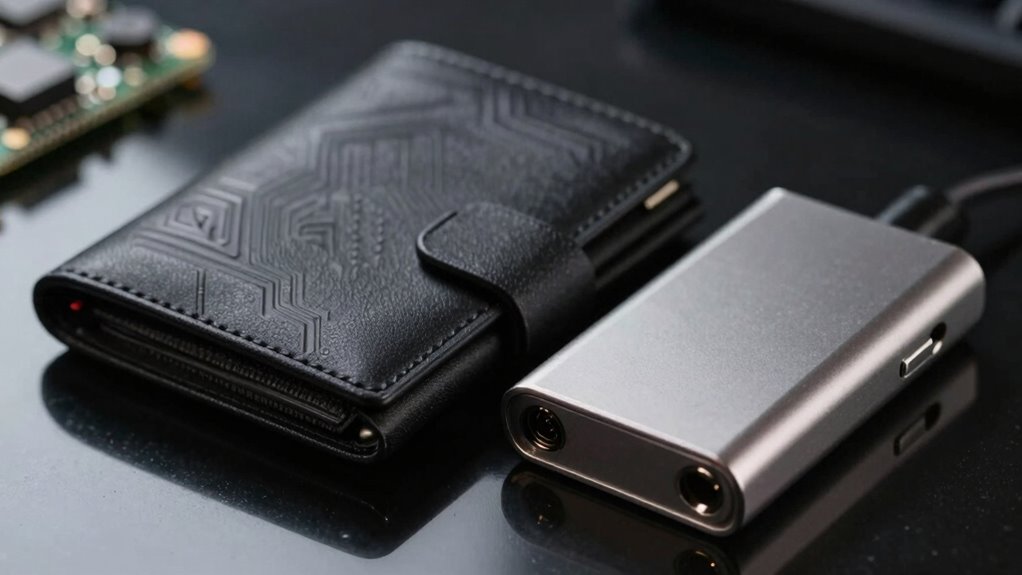
At first glance, Hardware Security Modules (HSMs) and hardware wallets might seem interchangeable because they both involve physical devices designed to secure sensitive information. However, understanding their core functions and threat models reveals key differences. HSMs are specialized devices used primarily by organizations to safeguard cryptographic keys and perform cryptographic algorithms securely. They act as a trusted root for digital security, managing encryption, digital signatures, and key generation within a controlled environment. On the other hand, hardware wallets are consumer-focused devices designed to store private keys for cryptocurrencies, protecting them from online threats and malware.
Your main goal with HSMs is to ensure that cryptographic algorithms are executed in a tamper-resistant environment, preventing attackers from extracting sensitive keys. They often sit within data centers or enterprise networks, handling high-volume cryptographic operations. User authentication plays a critical role here, as access to HSMs is tightly controlled through multi-factor authentication, secure access policies, and hardware-based security features. These measures ensure that only authorized personnel can initiate cryptographic processes or retrieve keys, reducing the risk of insider threats or remote breaches.
HSMs secure cryptographic operations in tamper-resistant environments with multi-factor authentication and strict access controls.
In contrast, hardware wallets are built with individual users in mind. Their primary function is to securely store private keys offline, making it nearly impossible for hackers to access these keys remotely. User authentication in hardware wallets often involves PIN codes, biometrics, or both, to confirm the owner’s identity before any transaction. Because hardware wallets are portable and connect to computers or smartphones via USB or Bluetooth, their threat model is different. They are designed to prevent theft or malware-based attacks during transaction signing, but they assume that the device itself remains physically secure and untampered.
Mapping the threat models clarifies why HSMs and hardware wallets serve different purposes. HSMs focus on protecting cryptographic keys within organizations, enabling secure key management and cryptographic operations that underpin digital certificates, secure communications, and enterprise authentication systems. Meanwhile, hardware wallets are tailored to individual security, emphasizing safeguarding private keys from online exposures and physical theft.
Understanding this distinction helps you appreciate that, despite superficial similarities, these devices are optimized for very different threats and environments. Recognizing how cryptographic algorithms are securely handled within HSMs and how user authentication mechanisms secure access emphasizes their specific roles. So, when choosing between them, consider the threat landscape: is your concern enterprise-scale cryptography or individual crypto asset security? This mapping of threat models reveals why they are not interchangeable, even if they look alike at first glance.
As an affiliate, we earn on qualifying purchases.
Frequently Asked Questions
How Do HSMS and Hardware Wallets Differ in Cost?
HSMs typically cost more than hardware wallets because they’re designed for enterprise use, supporting advanced cryptographic algorithms and robust user authentication. Hardware wallets are more affordable, mainly intended for individual users, offering essential security features. While HSMs focus on large-scale key management, hardware wallets provide secure storage for private keys. Your choice depends on your security needs and budget, with HSMs generally representing a bigger investment.
Can Both HSMS and Hardware Wallets Be Used Together Securely?
Yes, you can use HSMs and hardware wallets together securely, but integration challenges may arise. You’ll need to guarantee compatibility and proper security protocols, which can impact user experience. Properly configuring both devices helps maintain security, but the added complexity might require extra technical knowledge. If done correctly, combining them can strengthen your overall security posture without compromising usability, provided you carefully manage the integration process.
What Are Common Physical Attack Vectors for Each Device Type?
Imagine a vault door with a fragile lock—your device. With physical access, attackers attempt tampering by bypassing tamper resistance or extracting secrets through invasive methods. HSMs often feature robust tamper resistance but can still be targeted by sophisticated physical attacks like side-channel or fault injection. Hardware wallets, being portable, face risks like theft or physical damage. Securing both requires strong physical defenses and vigilant handling to prevent unauthorized access.
How Do Regulatory Standards Impact HSMS and Hardware Wallets?
You need to guarantee your HSMs and hardware wallets meet regulatory standards and certification requirements. Regulatory compliance influences design choices, security features, and audit processes, ensuring devices resist tampering and unauthorized access. Certification standards like FIPS or PCI DSS validate security levels, giving you confidence in the device’s resilience. Staying updated with evolving regulations helps maintain compliance, reduces legal risks, and enhances trust with clients or partners.
Are Hardware Wallets Suitable for Enterprise-Level Security Needs?
Think of hardware wallets as a sturdy lockbox, but for enterprise-level security, they can face challenges. You might encounter supply chain risks or firmware update vulnerabilities that compromise their integrity. While they excel for individual use, their security might not fully scale for complex organizational needs. For enterprise-level security, you may need more robust solutions like HSMs, which are designed to handle extensive threat models and rigorous regulatory standards.
hardware wallet for cryptocurrency
As an affiliate, we earn on qualifying purchases.
As an affiliate, we earn on qualifying purchases.
Conclusion
You now see how HSMs and hardware wallets, though similar in appearance, are like different guardians standing watch over your treasure. One’s a fortress within a data center, while the other’s a personal sentinel in your pocket. Understanding their threat models is like choosing the right armor for the battle ahead. Remember, in the domain of security, knowing your enemy’s nature helps you arm yourself wisely, ensuring your digital riches stay safe, no matter what storms come your way.
As an affiliate, we earn on qualifying purchases.
As an affiliate, we earn on qualifying purchases.
Fall Picks
fall essentials
As an affiliate, we earn on qualifying purchases.