📊 Full opportunity report: Influencer Scoring Helps DTC Brands Plan Product Launches on IdeaNavigator AI — validation score, market gap, and execution plan.

Get hardware and tech essentials delivered free with Prime
- Fast, free delivery on millions of items
- Prime Video, Amazon Music and more included
- Member-only deals all year
TL;DR

IdeaNavigator AI proposes testing an influencer-scoring workflow for direct-to-consumer brands planning product launches. The concept would rank candidates using audience fit, engagement authenticity and conversion history where available, then compare sealed predictions with attributed sales across ten launches; no results or product launch are reported.
IdeaNavigator AI has proposed a test of a tool that would rank influencers for direct-to-consumer product launches, using audience fit, engagement authenticity and prior category sales data where available. The proposal calls for scoring rosters for ten launches before they happen, sealing the predictions and comparing them with later attributed sales; it does not report that the test has been conducted or that a product is available.
The proposed customer is a DTC brand planning an influencer roster for a product launch. The problem identified is that brands may select partners based on follower counts and subjective impressions, then learn only after launch which influencers were associated with sales. The proposal argues that this can leave brands repeating campaigns without building a consistent basis for pricing or partner selection. Those are the proposal’s characterization of the problem, not findings from a cited study.
The suggested minimum viable product would take in product and target-customer information, assess candidate influencers on audience fit, engagement authenticity and category conversion history where available, and return a ranked roster with suggested offer structures. The proposal does not define the scoring formula, explain how it would verify authentic engagement, or specify what data access brands would need.
To test the idea, the proposal recommends scoring influencer rosters for ten product launches in advance, recording predictions before outcomes are known, and comparing them with realized per-influencer attributed sales. A subscription tiered by the number of rosters scored is suggested as a revenue model. No participating brands, pricing, completed evaluation, accuracy figures or commercial launch are identified.
A Test of Launch Partner Selection
If a tool can predict which partners are likely to contribute sales, it could give DTC teams a more consistent way to plan launch budgets and structure offers than relying chiefly on follower counts or informal judgment. Comparing advance rankings with later results could also help brands learn from one launch before assembling the next roster. That potential remains unproven in the proposal.
The test matters because its outcome would determine whether the scoring is useful as a planning aid, not merely whether the software can produce a ranked list. Brands would need to know how well the rankings correspond to attributable sales, how often the available data are sufficient, and whether suggested offers improve campaign results. The proposed ten-launch exercise is a validation plan, not evidence that the tool increases revenue or reduces marketing costs.
For readers evaluating the business idea, the distinction is material: the proposal describes an opportunity and a way to test it, while offering no measured performance, customer adoption or business results. Any commercial decision would depend on evidence that is not yet reported.
Products Worth Considering

Apple MacBook Air 15-inch Laptop with M5 Chip, 16GB Memory, 512GB SSD, Liquid Retina Display, and Touch ID (Midnight)

LG UltraGear 45GX950A-B 45-Inch 5K2K Curved OLED Gaming Monitor
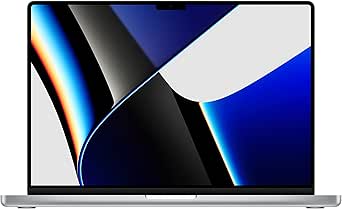
Apple MacBook Pro 16-inch (2021), M1 Pro, 10-core CPU, 16-core GPU, 16GB RAM, 512GB SSD, Silver
As an affiliate, we earn on qualifying purchases.
Attribution Data Behind the Proposal
The proposal’s rationale is that some attribution signals already exist across affiliate links, post-purchase surveys and Spark Ads data, but may be spread across different tools. It suggests that bringing such signals together could help assess influencer impact. It does not document how commonly brands use these sources, whether the data can be combined reliably, or which platforms would be supported.
Attribution itself can be difficult to interpret. A tracked link or a customer’s survey response can provide evidence about a purchase path, but neither automatically captures every influence on a sale. The proposed test would need clear rules for assigning sales to individual partners and for handling customers exposed to several influencers or other marketing. The proposal identifies the comparison with realized attributed sales, but does not set out those rules.
The idea is framed narrowly around one buyer and one workflow: a DTC brand assembling an influencer roster for a launch. It is not presented as a general influencer analytics platform with proven results, nor does it identify a company that has built or released the described tool.
Key Questions Before Validation
No validation results are available, and the proposal does not say whether any brands have agreed to participate in the ten-launch test. It is also unclear when the test might begin, who would build the tool, or whether the concept has moved beyond a proposed workflow.
Several measurement details remain unspecified: how audience fit and engagement authenticity would be scored, what qualifies as category conversion history, and how the model would treat missing or inconsistent data. The proposal also does not define a baseline for comparison, a threshold for a successful prediction, or how it would account for other marketing activity and differences between launches. Until those details and results are reported, the accuracy and practical value of the rankings cannot be assessed.
The suggested subscription model is likewise a business hypothesis. No subscription prices, roster-volume tiers, customer demand, operating costs or revenue figures are provided. It is not known whether brands would pay for the service or whether its recommendations would change launch decisions.
Ten Launches as the Proposed Test
The next step set out in the proposal is to score rosters for ten launches before their outcomes are known, preserve those predictions, and compare them with each influencer’s attributed sales after launch. A useful public account of such a test would need to explain the scoring method, the attribution rules, the participating campaigns and how missing or overlapping sales signals were treated.
No schedule or test participants are named, so it is not clear when—or whether—the proposed evaluation will take place. Until results are published, the scoring workflow should be understood as a product concept with a suggested validation plan, rather than a demonstrated way to improve launch performance.
Source: IdeaNavigator AI
Key Questions
Has an influencer-scoring product launched?
The proposal describes a possible minimum viable product, but does not report a completed product, commercial release or launch date.
How would the proposed tool rank influencers?
It would assess candidates using audience fit, engagement authenticity and category conversion history where available. The scoring formula and data requirements are not specified.
How would the idea be tested?
The proposed test is to score rosters for ten launches before they occur, seal the predictions and compare them with realized per-influencer attributed sales. No completed test or results are reported.
What data would the tool use?
The proposal points to affiliate links, post-purchase surveys and Spark Ads data as possible attribution signals. It does not say which sources would be supported or how conflicting signals would be handled.
What remains unknown about the business?
There are no reported customers, prices, subscription tiers, sales results or adoption figures. The suggested subscription model, with fees tiered by scored roster volume, has not been shown to have market demand.
Source: IdeaNavigator AI