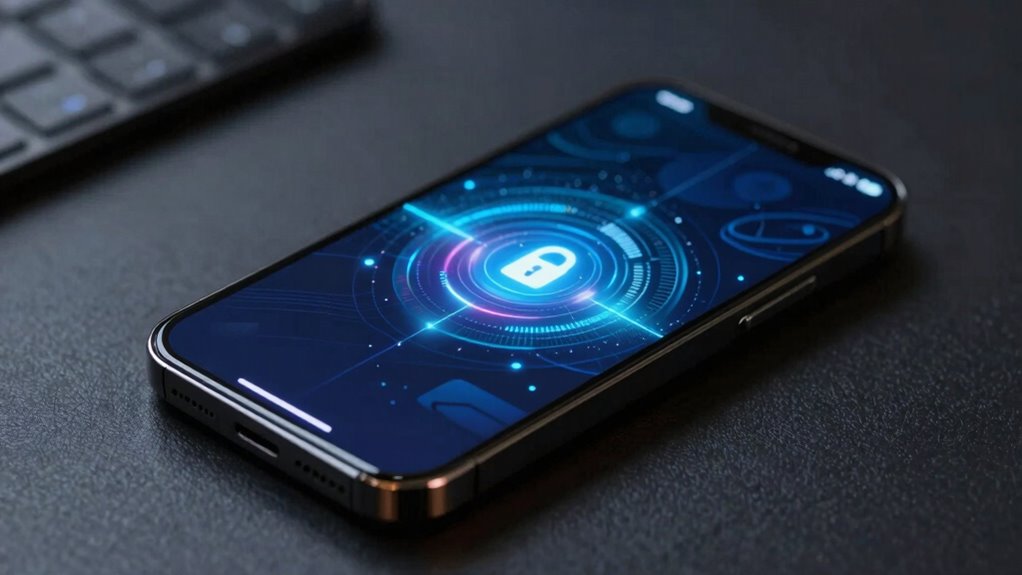

Passkeys can quietly boost your Web3 security more than just updating wallets because they use biometric authentication and local device security, making your accounts less vulnerable to attacks like phishing and password theft. They eliminate the need to remember complex passwords and reduce the risk of credential interception. By integrating passkeys, you get a simpler, safer way to secure your digital assets. Keep exploring how this technology can transform your Web3 experience and provide better protection.

Get hardware and tech essentials delivered free with Prime
- Fast, free delivery on millions of items
- Prime Video, Amazon Music and more included
- Member-only deals all year
Key Takeaways
- Passkeys enhance security by eliminating passwords, reducing phishing risks and credential theft in Web3 environments.
- Biometric authentication provides local, hardware-backed protection, making account access more secure and user-friendly.
- Implementation is seamless for developers, enabling quick integration without disrupting existing Web3 platforms.
- Passkeys support safer interactions with decentralized assets and services by strengthening identity verification.
- They address core security issues beyond wallet updates, offering a more comprehensive security upgrade for Web3 users.

As Web3 continues to grow, security remains a top concern for users and developers alike. With the rise of decentralized applications and digital assets, safeguarding your accounts becomes more critical than ever. Passkeys are emerging as a quiet but significant upgrade to web security, offering a smarter alternative to traditional passwords. Unlike conventional login methods, passkeys leverage biometric authentication, making access both more secure and more convenient. You no longer need to remember complex passwords or worry about them being stolen. Instead, you authenticate using fingerprint scans, facial recognition, or other biometric methods that are unique to you. This shift not only simplifies the login process but also substantially enhances security by reducing the reliance on vulnerable passwords.
Passkeys use biometric authentication to enhance security and simplify login processes in Web3.
One of the biggest advantages of passkeys is their phishing resistance. Phishing attacks rely on tricking you into revealing your login credentials, often through fake websites or deceptive emails. Since passkeys don’t transmit passwords or secrets over the internet, they’re inherently resistant to such attacks. When you use a passkey, the authentication process occurs locally on your device, and the server verifies the proof without ever exposing sensitive information. This means even if someone tries to impersonate a legitimate site, they can’t steal your passkey or intercept your login data. As a result, your Web3 accounts are much less vulnerable to common tactics used by cybercriminals. Additionally, the use of biometric authentication ensures that only you can access your accounts, further reinforcing security. Incorporating secure hardware modules can also enhance the protection of stored biometric data, making it even more difficult for attackers to compromise your credentials. Emphasizing the importance of security standards can help maintain consistent implementation and trustworthiness of such authentication methods.
Implementing passkeys doesn’t require drastic changes on your end. As a user, you’ll notice a smoother login experience that’s both faster and more secure. The technology integrates seamlessly with existing authentication systems, making it a practical upgrade rather than a disruptive overhaul. For developers, adopting passkeys means building a more trustworthy platform that naturally defends against common security pitfalls. It’s a move that can decrease the chances of successful breaches, saving time and resources in the long run.
While wallet updates often focus on new features or user interface improvements, passkeys quietly address the core security issues that plague Web3. They provide a robust layer of protection rooted in modern authentication standards, shifting the security paradigm away from passwords that are easy to steal or forget. As you engage more with decentralized finance, NFTs, and other Web3 services, knowing that your authentication method is both biometric and phishing-resistant offers peace of mind. Passkeys aren’t just an incremental update—they represent a meaningful step toward a more secure, user-friendly Web3 ecosystem.
Furthermore, integrating requirements traceability best practices can help ensure that security features like passkeys are consistently implemented and maintained throughout development, enhancing overall compliance and security integrity.
As an affiliate, we earn on qualifying purchases.
Frequently Asked Questions
How Do Passkeys Differ From Traditional Two-Factor Authentication?
Passkeys differ from traditional two-factor authentication by providing a more seamless and secure authentication method. Instead of relying on temporary codes or physical tokens, passkeys use cryptographic keys stored securely on your device, enhancing user privacy. This means you don’t have to share sensitive information repeatedly, reducing vulnerabilities. You experience faster login processes, and your privacy remains protected, making passkeys a smarter choice for modern, secure authentication methods.
Are Passkeys Compatible With All Web3 Platforms and Wallets?
You’re in luck—passkeys are becoming more compatible across web3 platforms and wallets through ongoing cross-platform integration efforts. While widespread user adoption challenges remain, many developers are working to guarantee smooth compatibility. As a result, passkeys are increasingly usable with various wallets and platforms, making your digital security stronger without fuss. Keep an eye out; this tech is evolving fast, and your security benefits are worth it.
What Are the Potential Risks of Implementing Passkeys in Web3?
Implementing passkeys in Web3 could introduce risks like reduced phishing resistance if not properly managed, as attackers might exploit vulnerabilities in the system’s centralized control. You might also face challenges ensuring users retain control over their keys. While passkeys aim to enhance security, improper implementation could create new attack vectors or dependency on centralized authority, potentially undermining the decentralized nature of Web3 ecosystems.
Do Passkeys Require Biometric Data or Physical Devices?
Passkeys don’t necessarily require biometric data or physical devices. They often rely on cryptographic keys stored locally, which helps protect your biometric privacy and reduces hardware dependency. While some implementations might use biometrics for added security, others use device-based security features like hardware tokens or secure enclaves. This flexibility means you can enjoy enhanced security without compromising biometric privacy or becoming overly dependent on specific hardware.
How Might Passkeys Impact User Experience in Web3?
They say, “A smooth sea never made a skilled sailor,” and passkeys can make your Web3 experience smoother. By simplifying login processes, you’ll likely see increased user adoption, as fewer hurdles mean more people join in. Plus, passkeys enhance privacy by reducing reliance on traditional passwords, easing privacy concerns. This streamlined approach makes interacting with Web3 safer and more accessible, encouraging you to explore decentralized platforms confidently.
passkey compatible hardware security device
As an affiliate, we earn on qualifying purchases.
As an affiliate, we earn on qualifying purchases.
Conclusion
Embracing passkeys could revolutionize your Web3 experience, making security so seamless it’s like having an invincible digital shield. Unlike endless wallet updates, passkeys silently strengthen your defenses without you even noticing. This small change has the power to outshine traditional methods, transforming your online safety into an unstoppable force. Don’t wait—adopt passkeys now and turn your digital world into an impenetrable fortress that’s virtually untouchable.
As an affiliate, we earn on qualifying purchases.
As an affiliate, we earn on qualifying purchases.
Halloween Picks
halloween
As an affiliate, we earn on qualifying purchases.