To spot meme token scams, look out for sudden price jumps without clear reasons, fake team members, or vague project details. Be cautious of hype around tokens with no real utility or transparency issues like sparse updates or fake websites. Watch for overly aggressive marketing or promises of quick, guaranteed returns. By paying attention to these red flags, you can better protect yourself—stay tuned to discover more ways to avoid falling for scams.
Key Takeaways
- Watch for sudden, unexplained price surges without credible news or development updates.
- Be wary of fake team members or anonymous profiles that lack verifiable credentials.
- Look out for overly aggressive marketing claims promising guaranteed quick returns.
- Check for lack of transparency, such as vague roadmaps or sparse project updates.
- Verify URLs and official channels to avoid fake websites and social media profiles.

Have you ever wondered why meme tokens often attract scammers? It’s mainly because these tokens tend to be highly speculative, driven by hype and social media buzz rather than solid fundamentals. Scammers know this, and they exploit the lack of regulation and transparency to target unsuspecting investors. To protect yourself, it’s essential to pay attention to community warnings. When you see a lot of chatter warning about suspicious activity or potential scams, don’t brush it off. These warnings from the community are often based on firsthand experiences and can serve as early indicators of trouble. Staying engaged with reputable online forums, social media groups, and official project channels can help you stay informed about red flags and scam prevention tips.
Pay attention to community warnings—they often reveal early scam indicators and help protect your assets.
One common scam indicator is a sudden, massive increase in a meme token’s price without any clear reason or news. Scammers often pump the price artificially and then dump their holdings once new investors jump in, leaving others with worthless tokens. Be cautious if you notice a lot of hype surrounding a token that seems to have no real utility or development progress. Always verify the credibility of the project team. Scammers often use fake or anonymous identities, making it impossible to confirm their legitimacy. Check if the team members are publicly known and if their backgrounds align with the project’s goals. Additionally, understanding project transparency can significantly help you assess the legitimacy of a meme token.
Another red flag is suspicious or overly aggressive marketing. If the project promoters are promising guaranteed returns, quick riches, or pressuring you to buy immediately, it’s a strong sign to step back. Legitimate projects don’t rely on high-pressure tactics. It’s also wise to examine the project’s transparency. Does the team publish regular updates? Are there clear, accessible roadmaps and whitepapers? If the information is sparse or vague, it’s probably best to steer clear.
Additionally, be wary of fake websites or social media profiles that mimic official accounts. These scams often use similar logos, website designs, or domain names to deceive investors. Always double-check URLs and official links before making any transactions. Avoid sharing private keys or seed phrases, no matter what anyone claims. Remember, no reputable project or community will ask for your sensitive information.
In essence, scam prevention tips boil down to doing your homework, listening to community warnings, and maintaining skepticism about too-good-to-be-true promises. Staying vigilant and verifying every detail can save you from falling into a scam trap. Never rush into investments, especially in the volatile world of meme tokens, and always prioritize your security over hype. If you stay cautious and informed, you’ll be better equipped to identify red flags early and protect your assets from scams.

TANGEM Wallet Pack of 2 - Secure Crypto Wallet - Trusted Cold Storage for Bitcoin, Ethereum, NFT's & More Coins - 100% Offline Hardware Wallet
THE HIGHEST LEVEL OF SECURITY: Tangem Wallet generates the private key that never leaves the card. Your crypto...
As an affiliate, we earn on qualifying purchases.
Frequently Asked Questions
How Do Meme Token Scams Typically Gain New Victims?
You often get caught in meme token scams through fake endorsements or celebrity promotions that seem too good to be true. Scammers use these tactics to create trust and lure you in quickly. They might even fake social media posts or endorsements from well-known figures. By convincing you that everyone’s investing, they push you to buy before realizing it’s a scam, making it easy for them to steal your money.
Are There Any Legal Actions Against Meme Token Scammers?
Legal actions are mounting like a tidal wave against meme token scammers, with regulatory enforcement stepping in to shut down fraudsters. Authorities worldwide are cracking down, issuing fines, and pursuing criminal charges to stop these digital con artists in their tracks. These efforts aim to protect investors and restore trust in the crypto space. Stay alert, because the legal net is tightening, and scammers are running out of places to hide.
Can Social Media Influence the Spread of Scam Tokens?
Yes, social media considerably influences the spread of scam tokens through influencer marketing. When influencers promote these tokens, they reach large audiences quickly, often without thoroughly vetting the projects. This can lead you to believe in their legitimacy, making you more vulnerable to scams. Always question influencer endorsements, verify the project’s credibility independently, and be cautious of hype-driven promotions on social media platforms.
What Are the Best Tools to Verify a Meme Token’s Legitimacy?
Over 60% of investors have fallen for scam tokens, so verifying legitimacy is essential. Use reputable scam detection tools like Token Sniffer or BscScan to analyze contract code and transaction history. Additionally, look for cryptocurrency audits from trusted firms, which verify a token’s authenticity. These tools help you spot red flags early, reducing your risk of falling victim to scams and ensuring your investments stay secure.
How Does Pump-And-Dump Scheme Relate to Meme Token Scams?
A pump-and-dump scheme is a common meme token scam involving market manipulation and price inflation. You might see sudden, sharp increases in token value, driven by coordinated efforts to hype the coin. Once the price peaks, scammers sell off their holdings, causing the price to plummet. This trickery leaves unsuspecting investors with losses, so always be cautious of suspiciously rapid price changes and avoid falling for inflated hype.
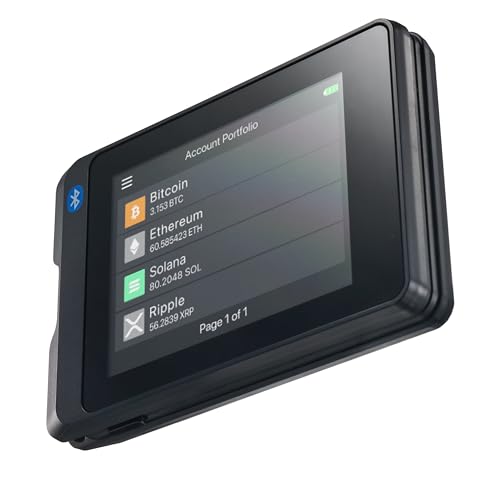
SecuX W20 Crypto Wallet with Intuitive Touchscreen, Hardware Wallet with Bluetooth, Easy to Manage Bitcoin, Ethereum, NFTs, Tokens, and Cryptocurrency with Military-Grade Security Features
Ultimate Security: Certified CC EAL5+. Infineon Solid Flash CC EAL5+ Secure Element (SE) chip embedded
As an affiliate, we earn on qualifying purchases.
Conclusion
Don’t let hype or flashy logos fool you—always do your research before investing in meme tokens. While it’s tempting to jump on the latest trend, remember that scams often look legit at first glance. Even if a project seems promising, take the time to verify its credibility. Staying cautious now can save you from losing money later. Trust your instincts and stay vigilant; your crypto journey should be exciting, not costly.
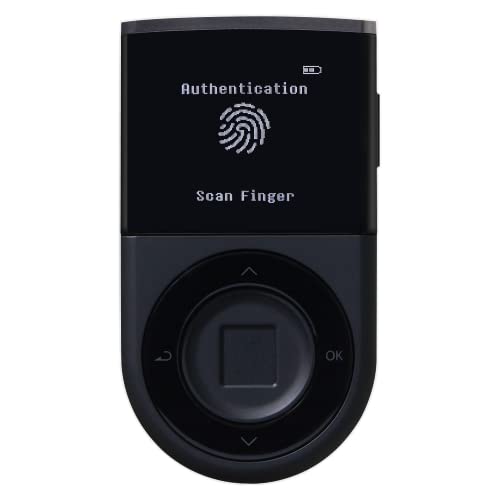
D'CENT Hardware Wallet – Biometric Cold Wallet for Crypto with Fingerprint Authentication | Secure Bluetooth Storage for Bitcoin, Ethereum, XRP, XDC, Solana, Stablecoins & More
UNMATCHED SECURITY WITH BIOMETRIC PROTECTION - Protect your crypto with certified EAL5+ Secure Element chip and advanced fingerprint...
As an affiliate, we earn on qualifying purchases.
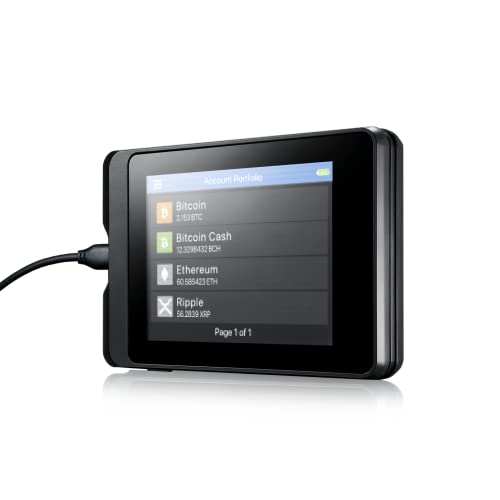
SecuX W10 Crypto-Asset Hardware Wallet - The Ideal Solution for Safely Storing Your Bitcoin, Ethereum, Ripple, Litecoin, Bitcoin Cash and More
SECURE - The SecuX hardware wallet has a complete suite of security features in place, from protected production...
As an affiliate, we earn on qualifying purchases.