For most people choosing a 4TB external SSD for backups, I’d start with the Samsung T7: its straightforward USB 3.2 Gen 2 setup suits routine file copies without paying for the fastest interface. The SanDisk Extreme Portable SSD adds water- and dust-resistant protection, while the Samsung T9 and USB4-equipped Oyen Digital U35 Bolt+ are stronger fits when a compatible computer can make use of faster transfers. The main tradeoffs are speed versus host-device compatibility, ruggedness versus portability, and whether paying for a premium interface improves your actual backup routine. Read on for how these six drives compare and which one fits your devices and backup habits.

Get hardware and tech essentials delivered free with Prime
- Fast, free delivery on millions of items
- Prime Video, Amazon Music and more included
- Member-only deals all year
Key Takeaways
- The Samsung T7 is the straightforward everyday pick: its USB 3.2 Gen 2 connection fits routine backups without requiring a newer, faster host interface.
- The SanDisk Extreme balances portable backups with protection: its stated IP65 water- and dust-resistance rating sets it apart from the more basic designs in this lineup.
- The Samsung T9 and Oyen U35 Bolt+ target compatible systems: their faster interface potential matters most when both the drive and computer support the relevant connection.
- The two SanDisk 4TB options serve different priorities: the 1050MB/s model emphasizes IP65 protection, while the model rated up to 2000MB/s puts more emphasis on speed.
- The SSK Portable 4TB is a simpler alternative: compare its connection and protection details against the Samsung and SanDisk choices before making it your main backup copy.
| Oyen Digital U35 Bolt+ 4TB USB4 Portable SSD |  | Best for High-Speed Workstation Backups | Capacity: 4 TB | Interface: USB4, 80Gbps | Read speed: Up to 6,000 MB/s | VIEW ON AMAZON | See Our Full Breakdown |
| SanDisk 4TB Extreme Portable SSD, Up to 1050MB/s, USB-C, USB 3.2 Gen 2, IP65 Water and Dust Resistance, Updated Firmware |  | Best for Rugged Everyday Backups | Capacity: 4 TB | Interface: USB 3.2 Gen 2, USB-C | Read speed: Up to 1,050 MB/s | VIEW ON AMAZON | See Our Full Breakdown |
| SanDisk Extreme Portable SSD, 4TB, Up to 2000MB/s |  | Best Compact High-Speed Backup | Capacity: 4 TB | Interface: USB-C | Read speed: Up to 2,000 MB/s | VIEW ON AMAZON | See Our Full Breakdown |
| Samsung T9 Portable SSD 4TB, USB 3.2 Gen 2×2 External Solid State Drive | 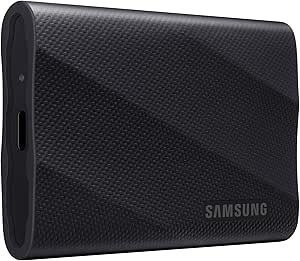 | Best for Balanced Fast Backups | Capacity: 4 TB | Interface: USB 3.2 Gen 2×2 | Read speed: Up to 2,000 MB/s | VIEW ON AMAZON | See Our Full Breakdown |
| SSK Portable 4TB External SSD |  | Best for Mixed USB-C and USB-A Setups | Capacity: 4 TB | Read speed: Up to 1,050 MB/s | Write speed: Up to 1,000 MB/s | VIEW ON AMAZON | See Our Full Breakdown |
| Samsung T7 Portable SSD, 4TB External Solid State Drive, USB 3.2 Gen 2, Titan Gray | 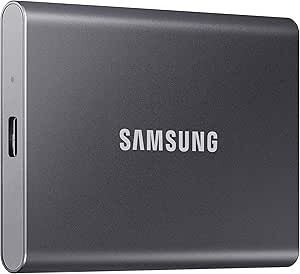 | Best All-Around Backup Drive | Capacity: 4 TB | Interface: USB 3.2 Gen 2 | Read Speed: Up to 1,050 MB/s | VIEW ON AMAZON | See Our Full Breakdown |
| 4tb external ssd for backup | Capacity | Interface | Read speed | Write speed |
|---|---|---|---|---|
| Oyen Digital U35 Bolt+ 4TB USB | 4 TB | USB4, 80Gbps | Up to 6,000 MB/s | — |
| SanDisk 4TB Extreme Portable S | 4 TB | USB 3.2 Gen 2, USB-C | Up to 1,050 MB/s | Up to 1,000 MB/s |
| SanDisk Extreme Portable SSD | 4 TB | USB-C | Up to 2,000 MB/s | — |
| Samsung T9 Portable SSD 4TB | 4 TB | USB 3.2 Gen 2×2 | Up to 2,000 MB/s | Up to 2,000 MB/s |
| SSK Portable 4TB External SSD | 4 TB | USB 3.2 Gen 2, USB-C | Up to 1,050 MB/s | Up to 1,000 MB/s |
| Samsung T7 Portable SSD | 4 TB | USB 3.2 Gen 2 | Up to 1,050 MB/s | Up to 1,000 MB/s |
More Details on Our Top Picks
Oyen Digital U35 Bolt+ 4TB USB4 Portable SSD
The U35 Bolt+ is the speed-first choice here: its stated USB4 80Gbps connection and read speeds up to 6,000 MB/s target large project archives and frequent workstation backups, not just occasional file copies. That headroom can shorten transfers when the computer supports USB4 or a compatible Thunderbolt connection, though the host still determines actual performance. The internal aluminum cooling core is intended to manage heat during sustained work, a useful distinction from the more conventional USB 3.2 drives in this lineup. For example, the Samsung T9 tops out at 2,000 MB/s and offers specified write speeds, while Oyen lists only a read-speed figure. Choose this for a fast compatible setup; skip it if your computer lacks the right port or you mainly need a durable everyday backup drive.
Pros:- Up to 6,000 MB/s stated read speed for compatible USB4 workflows
- USB-C connection is listed as compatible with Thunderbolt 3, 4, and 5 hosts
- Aluminum cooling core is designed to manage heat under sustained loads
- Three-year manufacturer warranty
Cons:- Its headline speed requires a compatible USB4 host to be useful
- No write-speed figure is provided, limiting comparison for full backup transfers
- The listed features do not specify water, dust, or drop protection
Best for: Video editors, 3D creators, and workstation users with USB4 or Thunderbolt hosts who regularly move very large backup files
Not ideal for: Buyers with only standard USB 3.2 ports or those seeking specified write speeds, since the listed maximum read speed depends on a faster host and no write figure is provided
- Capacity:4 TB
- Interface:USB4, 80Gbps
- Read speed:Up to 6,000 MB/s
- Form factor:M.2 2280
- Connectivity:USB-C; compatible with Thunderbolt 3, 4, and 5 hosts
- Cooling:Internal aluminum cooling core
- Warranty:3 years
Our verdict“Choose the Oyen U35 Bolt+ if your USB4 or Thunderbolt workstation can use its unusually high read-speed ceiling; for ordinary USB 3.2 backups, the Samsung T9 is a more grounded fit.”
SanDisk 4TB Extreme Portable SSD, Up to 1050MB/s, USB-C, USB 3.2 Gen 2, IP65 Water and Dust Resistance, Updated Firmware
For backups that travel in a backpack or work bag, this SanDisk pairs 4 TB capacity with IP65-rated water and dust resistance and protection against drops up to 3 meters. Those safeguards make it a more suitable field companion than the Samsung T9, whose listed drop resistance is lower and whose description does not specify an IP rating. Read speeds up to 1,050 MB/s and write speeds up to 1,000 MB/s are ample for routine photo libraries and laptop backups, provided the computer supports USB 3.2 Gen 2. It also adds 256-bit AES hardware encryption and a carabiner loop for securing the drive. The tradeoff is speed: the SanDisk Extreme 2,000 MB/s model and T9 promise faster transfers, while this drive’s advantage is a clearer rugged-use profile.
Pros:- IP65 water and dust resistance for use in less controlled environments
- Drop protection rated up to 3 meters
- 256-bit AES hardware encryption with password protection
- Carabiner loop makes it easier to secure during travel
Cons:- Maximum listed speeds require a compatible USB-C and USB 3.2 Gen 2 connection
- Slower stated read speed than the SanDisk Extreme 2,000 MB/s model and Samsung T9
- No warranty term is provided in the supplied product data
Best for: Traveling photographers, field workers, and laptop owners who carry a 4TB backup drive where dust, rain, or accidental drops are concerns
Not ideal for: Users prioritizing the fastest transfers or relying on older USB ports to reach the stated maximum speeds
- Capacity:4 TB
- Interface:USB 3.2 Gen 2, USB-C
- Read speed:Up to 1,050 MB/s
- Write speed:Up to 1,000 MB/s
- Water and dust resistance:IP65
- Drop protection:Up to 3 meters
- Encryption:256-bit AES hardware encryption
- Color:Black
Our verdict“Pick this SanDisk for a portable backup that needs explicit water, dust, and drop protection, rather than for maximum transfer speed.”
SanDisk Extreme Portable SSD, 4TB, Up to 2000MB/s
This pocket-sized SanDisk suits buyers who want a fast 4TB drive that can move between a desk, camera bag, and compatible mobile devices. Its up to 2,000 MB/s read speed is nearly twice the stated read ceiling of the 1,050 MB/s SanDisk Extreme, and the IP65 rating plus 3-meter drop protection retains a useful ruggedness angle for portable backups. Compared with the Samsung T9, it shares a 2,000 MB/s read claim and similar drop protection, but the T9 explicitly lists write speeds up to 2,000 MB/s and hardware encryption. SanDisk’s supplied details do not specify its write speed, and its password encryption requires software and supported operating systems. This is a strong fit for quick, mobile file access, less so for buyers who need clearly stated write performance.
Pros:- Up to 2,000 MB/s read speed for compatible USB-C hosts
- Pocket-sized design is easy to carry alongside a laptop or mobile device
- IP65 dust and water resistance
- Drop protection up to 3 meters and 256-bit AES password protection
Cons:- Write speeds are not specified in the supplied product data
- Encryption requires a software download and supports Windows 10+ and macOS 12+
- The 2,000 MB/s ceiling depends on the connected host and interface
Best for: Mobile creators and laptop users who want a compact 4TB backup drive with fast reads and stated water, dust, and drop protection
Not ideal for: Buyers who need a published write-speed figure or hardware encryption, or who use systems outside the stated encryption support
- Capacity:4 TB
- Interface:USB-C
- Read speed:Up to 2,000 MB/s
- Water and dust resistance:IP65
- Drop protection:Up to 3 meters
- Encryption:256-bit AES password protection
- Form factor:2.5-inch
- Compatibility:Desktop, laptop, smartphone, and tablet; Mac and PC
Our verdict“Choose this model for compact, fast-read mobile backups with rugged protection, but favor the Samsung T9 if specified write speed and hardware encryption matter more.”
Samsung T9 Portable SSD 4TB, USB 3.2 Gen 2×2 External Solid State Drive
The Samsung T9 is the most balanced speed-and-security pick for buyers with a compatible USB 3.2 Gen 2×2 connection. It lists up to 2,000 MB/s for both reads and writes, giving backup transfers a clearer performance target than the SanDisk Extreme 2,000 MB/s model, which lists read speed but not write speed. AES 256-bit hardware encryption and drop resistance up to 9.8 feet add practical protection for a drive that may move between computers, consoles, and tablets. Against the rugged SanDisk Extreme 1,050 MB/s model, the T9 prioritizes speed and listed device range over an IP65 water-and-dust rating. Its main catch is host dependence: many USB-C ports will not reach Gen 2×2 speeds, so buyers should check their computer before choosing it as a fast backup target.
Pros:- Up to 2,000 MB/s read and write speeds are listed
- AES 256-bit hardware encryption
- Drop resistance rated up to 9.8 feet
- Listed compatibility includes computers, gaming consoles, tablets, and iPhone 15 and 16
Cons:- Maximum speeds require a compatible USB 3.2 Gen 2×2 host and cable
- No water or dust resistance rating is specified
- Device compatibility may vary
Best for: Desktop and laptop owners with USB 3.2 Gen 2×2 who want fast recurring backups, hardware encryption, and broad device compatibility
Not ideal for: People backing up in wet or dusty outdoor conditions, or users whose computers lack USB 3.2 Gen 2×2 and cannot use its full speed
- Capacity:4 TB
- Interface:USB 3.2 Gen 2×2
- Read speed:Up to 2,000 MB/s
- Write speed:Up to 2,000 MB/s
- Encryption:AES 256-bit hardware encryption
- Drop resistance:Up to 9.8 feet
- Compatible devices:Gaming consoles, Mac, PC, tablets, iPhone 15 and 16
- Color:Black
Our verdict“Choose the Samsung T9 for fast, encrypted backups on a verified Gen 2×2 system; pick the rugged SanDisk Extreme instead if water and dust protection is the priority.”
SSK Portable 4TB External SSD
The SSK is a practical choice for households or small offices where backup drives need to connect to a mix of newer USB-C laptops and older USB-A computers. It lists both USB-C and USB-A cables, plus read and write speeds up to 1,050 and 1,000 MB/s, respectively. That makes it more connection-flexible out of the box than the Samsung T9, whose maximum speed depends on a compatible Gen 2×2 host. SSK also supports direct 4K60 ProRes HDR capture on compatible iPhones, which can make the drive useful beyond scheduled backups. Still, those capture features are limited to supported devices, and the supplied data does not state water, dust, or drop protection. Its metal enclosure and S.M.A.R.T./TRIM support suit regular desktop use, but this is not the lineup’s clearest pick for rough travel.
Pros:- USB-C and USB-A cables support a wider range of computer ports
- Up to 1,050 MB/s read and 1,000 MB/s write speeds
- Metal enclosure with S.M.A.R.T. and TRIM support
- Supports direct 4K60 ProRes HDR capture on compatible iPhones
Cons:- ProRes HDR capture is limited to compatible devices
- No water, dust, or drop-protection rating is specified
- Windows may display capacity as 3,725 GB
Best for: Families and small teams backing up several USB-C and USB-A computers, plus iPhone owners with a compatible ProRes HDR recording setup
Not ideal for: Outdoor users needing a stated ruggedness rating or buyers who expect every iPhone to support direct ProRes HDR capture
- Capacity:4 TB
- Read speed:Up to 1,050 MB/s
- Write speed:Up to 1,000 MB/s
- Interface:USB 3.2 Gen 2, USB-C
- Connectivity:USB-C and USB-A cables
- Enclosure:Metal, grey
- Features:LED light, S.M.A.R.T., TRIM support
- Compatibility:Mac, PC, laptops, and smartphones
Our verdict“Choose the SSK for a mixed-port household or compatible iPhone recording workflow, but look to the SanDisk Extreme if backups need a stated ruggedness rating.”
Samsung T7 Portable SSD, 4TB External Solid State Drive, USB 3.2 Gen 2, Titan Gray
The Samsung T7 strikes a balanced blend of speed, durability, and everyday practicality that makes it the default pick for most backup workflows. With read speeds up to 1,050 MB/s and write speeds up to 1,000 MB/s, it handles large media libraries and 4K video files without the lag you’d feel on a spinning hard drive. Compared with the Samsung T9, which nearly doubles those speeds, the T7 trades raw throughput for a more forgiving price and broader device compatibility—it works with PCs, Macs, phones, and consoles right out of the box. The aluminum unibody shell offers fall protection up to 6 feet, though it lacks the IP65 water resistance found on the SanDisk Extreme. For backups, that’s a fair trade: you get a tough, reliable drive that won’t break the bank, and the speed ceiling is rarely a bottleneck for scheduled or manual backups.
Pros:- Fast read/write speeds up to 1,050/1,000 MB/s for snappy backups
- Durable aluminum unibody with 6-foot shock resistance
- 4TB capacity handles large media libraries and 4K video
- Works with PC, Mac, smartphone, tablet, and gaming consoles
Cons:- Speeds cap at USB 3.2 Gen 2, so it’s slower than the T9’s 2,000 MB/s
- No water or dust resistance, unlike the SanDisk Extreme
- Peak performance requires a USB 3.2 Gen 2 port with UASP support
Best for: Creators and professionals who need a durable, fast drive for 4K video and large media files, and want seamless compatibility across laptops, phones, and consoles.
Not ideal for: Users who require the absolute fastest transfer speeds (the T9 is better) or need water/dust resistance for outdoor or harsh environments (the SanDisk Extreme is the safer bet).
- Capacity:4 TB
- Interface:USB 3.2 Gen 2
- Read Speed:Up to 1,050 MB/s
- Write Speed:Up to 1,000 MB/s
- Material:Aluminum Unibody
- Shock Resistance:Up to 6 feet
- Compatibility:PC, Mac, Smartphone, Tablet, Gaming Consoles
- Form Factor:Portable
Our verdict“If you want a reliable, durable, and versatile 4TB backup drive without chasing the fastest possible speeds, the Samsung T7 is the sweet spot.”

How We Picked
I ranked these drives for 4TB backup use, not for speed claims alone. I weighed the stated interface and performance figures against the kind of computer needed to benefit from them, then compared portability, stated environmental protection, and how straightforward each option appears for regular file copying. For backups, a faster connection has limited value if the host device cannot use it; connection compatibility and a routine the buyer can repeat matter just as much.
The Samsung T7 leads as the practical everyday choice, while the SanDisk Extreme earns a distinct place for its stated IP65 protection. The T9, faster SanDisk, and Oyen USB4 drive suit buyers with compatible equipment who place more weight on transfer speed. I treat the SSK as a value-oriented alternative, but give it less priority where the listed information provides fewer clear differentiators. Before buying, confirm the exact model’s specifications and your computer’s port support; advertised maximum speeds are not guaranteed backup speeds.
| 4tb external ssd for backup | Interface | Read speed | Write speed | Compatibility |
|---|---|---|---|---|
| Oyen Digital U35 Bolt+ 4TB USB | USB4, 80Gbps | Up to 6,000 MB/s | — | — |
| SanDisk 4TB Extreme Portable S | USB 3.2 Gen 2, USB-C | Up to 1,050 MB/s | Up to 1,000 MB/s | — |
| SanDisk Extreme Portable SSD | USB-C | Up to 2,000 MB/s | — | Desktop, laptop, smartphone, and tablet; Mac and PC |
| Samsung T9 Portable SSD 4TB | USB 3.2 Gen 2×2 | Up to 2,000 MB/s | Up to 2,000 MB/s | — |
| SSK Portable 4TB External SSD | USB 3.2 Gen 2, USB-C | Up to 1,050 MB/s | Up to 1,000 MB/s | Mac, PC, laptops, and smartphones |
| Samsung T7 Portable SSD | USB 3.2 Gen 2 | Up to 1,050 MB/s | Up to 1,000 MB/s | PC, Mac, Smartphone, Tablet, Gaming Consoles |
Factors to Consider When Choosing 4tb External Ssd For Backups
A 4TB drive can hold a large backup, but choosing well takes more than matching capacity. I’d begin with the computer and backup routine you already have, then weigh speed, durability, and how you’ll protect the data if the drive itself is lost or damaged.
Match the Connection to Your Computer
Start by checking the ports and supported USB standards on the computer that will run your backups. A drive with a faster interface can still connect to a slower port, but transfers will be limited by the connection shared between the devices. That is why the T9’s USB 3.2 Gen 2×2 and the Oyen U35 Bolt+ with USB4 make the most sense when your computer supports their faster connection. For a routine backup that runs overnight or while you work, a compatible USB 3.2 Gen 2 drive may be fast enough. Avoid choosing by the largest advertised speed alone; real-world results depend on the host, cable, workload, and drive conditions.
Choose Speed for Your Backup Schedule
Speed matters most when you regularly move large libraries, refresh a full backup, or need files back quickly after a computer problem. If you make smaller incremental backups, the practical difference between drive tiers may be less noticeable than the specifications suggest. Consider how much data changes between backup sessions, rather than the total capacity alone. A faster drive can shorten a large transfer, but only when the computer and connection can use that performance. If you are unsure, prioritize a reliable schedule and compatible hardware before paying for extra speed.
Treat Ruggedness as Risk Reduction, Not a Backup Plan
Portable drives face knocks, dust, and moisture when they travel between home, work, or school. The SanDisk Extreme’s stated IP65 rating offers a clear protection distinction in this group, but it does not protect files from accidental deletion, theft, or every kind of damage. Check the exact model’s protection claims and use the included or recommended case and cable as directed. A rugged drive is useful when your backup travels; a drive that stays on a desk may benefit more from a simple, consistent backup process. Do not let physical protection stand in for keeping another copy of important files.
Plan for More Than One Copy
An external SSD is a useful backup destination, but a single drive is still one point of failure. For important files, keep another copy on a separate device or in a suitable cloud backup, and store one copy away from the computer when practical. Disconnecting the SSD after a backup can reduce exposure to some malware and accidental changes, though it cannot prevent loss or damage while the drive is stored. Choose a routine you can maintain, such as scheduled backups plus occasional checks that files can be opened. Capacity alone does not tell you how much room you will have after formatting, existing files, and future growth.
Check Compatibility, Cables, and Backup Software
Before purchase, confirm that the drive works with the computer and operating system you plan to back up. Some devices may need reformatting for a particular backup tool or for use across different platforms, and reformatting erases existing files. Check which cable and adapters are supplied and whether they fit the ports you actually use. Also decide whether you want the operating system’s built-in backup utility or a separate program, since the drive itself does not automatically create a backup plan. A simple setup that runs reliably is often a better fit than a faster drive paired with a process you rarely use.
Pay More Only for a Benefit You Can Use
A premium interface is worthwhile when your computer supports it and shorter large transfers matter to you. It is harder to justify if your host connection is slower or your backup consists mainly of routine incremental updates. Compare the value of extra speed with protection features, portability, and a second backup destination rather than treating the fastest model as automatically best. A more basic USB 3.2 Gen 2 option can make sense for straightforward scheduled copies, while a USB4 or Gen 2×2 drive is better aimed at a compatible high-throughput setup. Set aside money and attention for maintaining a second copy if data loss would be costly.
Frequently Asked Questions
Will a 4TB SSD back up my whole computer?
It depends on how much data your computer holds and how the backup software stores versions of changed files. A drive labeled 4TB offers less usable space after formatting, and keeping multiple backup versions also uses capacity. Check the size of your current data and leave room for future growth before deciding it will fit. If your files already approach the drive’s usable capacity, choose a larger backup target or split the job across destinations. A full first backup may also take longer than later incremental copies.
Is the fastest drive in this group always the best choice for backups?
No. The computer’s port can limit a drive’s speed, and many recurring backups copy only files that have changed since the last run. Faster options such as USB4 or USB 3.2 Gen 2×2 are most useful when your host supports the same interface and you regularly move large amounts of data. For a slower host or smaller scheduled copies, compatibility and ease of use may matter more. Check the connection on both ends before paying extra for performance you may not be able to use.
Should I choose a rugged drive if I keep it at home?
Ruggedness is less of a priority when the drive stays in a stable, dry place and is handled infrequently. It can still provide extra reassurance, but it does not protect against every failure or replace a second copy. For a home backup, a consistent schedule, safe storage, and occasional restore checks may do more for your data than paying for protection you rarely need. If you carry the drive regularly, the SanDisk Extreme’s stated IP65 rating is a more relevant distinction. Match the protection features to where the drive will actually go.
Can I use one 4TB SSD for both Mac and Windows backups?
Possibly, but file-system format and backup software affect whether one drive can serve both systems as intended. A format convenient for moving files between computers may not meet a particular system’s requirements for full backups. Reformatting can erase everything on the drive, so copy any existing files elsewhere first. Check the requirements of each computer’s backup tool and decide whether separate drives or partitions would be easier to manage. A shared drive also makes it especially important to label backup folders and avoid overwriting the wrong copy.
Is one external SSD enough to protect important files?
One drive gives you a separate copy, but it can still be lost, damaged, stolen, or affected by a mistake that also changes the backup. For files you cannot replace, keep another copy on a separate device or in an appropriate cloud backup. If practical, disconnect the external drive between backup sessions and store it apart from the computer. Periodically check that you can restore or open a selection of backed-up files. A second copy in a different location reduces risks that a single portable drive cannot address.
Conclusion
For best overall, I’d choose the Samsung T7 for straightforward, compatible everyday backups. The best value-oriented alternative is the SSK Portable 4TB if its confirmed specifications and connection suit your setup; check its protection and interface details before making it your primary copy. For best premium performance, consider the Samsung T9 or Oyen U35 Bolt+ only if your computer supports the faster connection and large transfers matter to you. For beginners, the T7’s USB 3.2 Gen 2 approach is a sensible starting point; for travel and added environmental protection, pick the SanDisk Extreme with the stated IP65 rating. If you want higher stated speed in a SanDisk, compare the up-to-2000MB/s model against your host’s capabilities. Whichever drive you select, keep another copy of irreplaceable files.