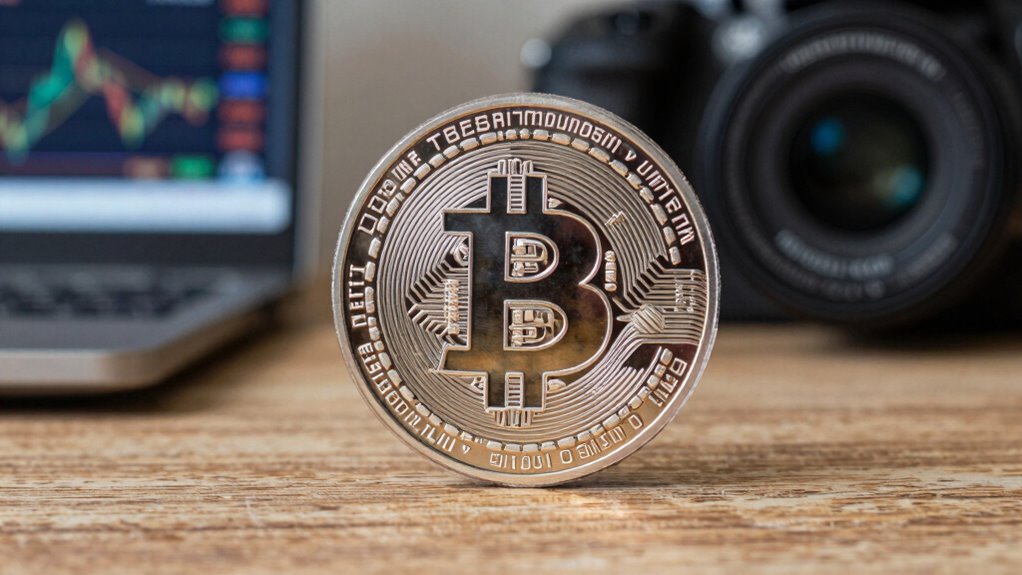

Wrapped Bitcoin (WBTC) makes it easy for you to access Ethereum’s DeFi ecosystem by converting Bitcoin into an ERC-20 token, enabling trading, lending, and staking. However, it introduces a trust layer since it relies on centralized custodians and merchants to hold and mint Bitcoin. This setup shifts some trust away from Bitcoin’s decentralized ethos, creating potential risks if those entities act maliciously or are compromised. Understanding these trade-offs helps you make more informed choices as you explore DeFi.

Get hardware and tech essentials delivered free — and shop member deals
- Fast, free delivery on millions of items
- Access to Prime Big Deal Days deals on October 6–7
- Prime Video, Amazon Music and more included
Key Takeaways
- WBTC enables Bitcoin holders to access Ethereum’s DeFi ecosystem seamlessly, expanding liquidity and trading options.
- It introduces a trust layer through centralized custodians, which many users overlook when considering security.
- The minting and burning process relies on centralized entities, contrasting with Bitcoin’s decentralized nature.
- Regulatory and legal risks may arise due to reliance on regulated custodians and compliance requirements.
- While WBTC enhances access, it compromises the trustless ideal of cryptocurrency by depending on centralized intermediaries.
Wrapped Bitcoin (WBTC) has made it easier for you to access the benefits of Bitcoin within the Ethereum ecosystem, enabling seamless trading and DeFi participation. By wrapping Bitcoin into an ERC-20 token, WBTC bridges the gap between two major blockchains, giving you the liquidity and familiarity of Bitcoin while utilizing Ethereum’s versatile smart contract capabilities. This setup allows you to lend, borrow, swap, or stake WBTC just like any other ERC-20 token, opening up a whole new world of decentralized finance opportunities. However, this convenience isn’t without its trade-offs.
One of the main concerns surrounding WBTC is decentralization. Unlike Bitcoin, which is designed to be decentralized with countless nodes validating transactions, WBTC relies on a centralized custodian and a network of merchants responsible for minting and burning tokens. You might not immediately think about this, but it means that trust is partially shifted from a purely trustless system to a semi-centralized one. You’re trusting that the custodian will hold your Bitcoin securely and that the process of minting and redeeming WBTC is transparent and fair. If the custodian or the network of merchants were to become compromised or act maliciously, your assets could be exposed to risk—a stark contrast to Bitcoin’s decentralized ethos. Decentralization is a core principle that many users value in cryptocurrency, and the reliance on centralized entities can be a significant concern.
Additionally, regulatory implications are an important aspect you shouldn’t ignore. Because WBTC involves a centralized custodian, authorities might view it as a regulated entity or a financial intermediary. This could lead to increased scrutiny, compliance requirements, or even restrictions. If regulations tighten around custodial crypto assets, the stability and availability of WBTC might be affected, impacting your ability to trade or use it freely. Furthermore, the trust layer introduced by wrapping Bitcoin into an ERC-20 token raises questions about how different jurisdictions will treat WBTC, especially considering evolving crypto laws worldwide. This reliance on a centralized model introduces a layer of complexity that could influence your long-term use of WBTC.
While WBTC provides a practical solution to access Bitcoin’s liquidity on Ethereum, it also introduces complexities that you need to weigh. The trust layer, though necessary for bridging two blockchains, inherently involves some compromises on decentralization and regulatory transparency. You benefit from increased interoperability and access but must also accept that you’re relying on centralized entities and regulatory frameworks. Recognizing these trade-offs helps you make informed decisions about how you use WBTC in your DeFi strategies, balancing convenience against the underlying trust and compliance considerations.
Wrapped Bitcoin (WBTC) secure storage wallet
As an affiliate, we earn on qualifying purchases.
As an affiliate, we earn on qualifying purchases.
Frequently Asked Questions
How Does Wrapped Bitcoin Maintain Its Peg to Bitcoin?
You maintain Wrapped Bitcoin’s peg to Bitcoin through a system of token interoperability and cross-chain compatibility. When you deposit Bitcoin, a corresponding wrapped token is created on another blockchain, ensuring each wrapped token is backed 1:1 by Bitcoin held in reserve. This process relies on transparent audits and trusted custodians, so you can trust that the wrapped token remains pegged to Bitcoin’s value, despite operating across different chains.
What Are the Risks of Using Wrapped Bitcoin?
Using wrapped bitcoin is like stepping into a minefield—you risk more than just losing your funds. Regulatory concerns loom large, potentially leading to restrictions or shutdowns. Market volatility can also cause the value of your wrapped bitcoin to fluctuate wildly, disconnecting it from actual bitcoin. Plus, you’re trusting a third party to hold and manage your assets, which adds a layer of risk many ignore, risking your investments.
Who Audits Wrapped Bitcoin’s Reserve Holdings?
You should know that Wrapped Bitcoin’s reserve holdings are typically audited by third-party firms, aiming to address transparency concerns. However, regulatory implications vary depending on jurisdiction, and some audits may lack the rigor needed to fully reassure users. It’s essential to stay informed about who conducts these audits and how often, as trust in Wrapped Bitcoin depends heavily on transparent and credible reserve verification to mitigate potential risks.
Can Wrapped Bitcoin Be Redeemed for Actual Bitcoin Easily?
Yes, you can redeem Wrapped Bitcoin for actual Bitcoin, but regulatory challenges and market adoption influence how smoothly this process occurs. You typically need to go through a trusted custodian or platform that handles redemptions, which adds a trust layer. While the process is designed to be straightforward, ongoing regulatory issues and increasing market adoption can impact the speed and ease of converting Wrapped Bitcoin back into real Bitcoin.
How Does Wrapped Bitcoin Impact Decentralization?
Wrapped Bitcoin slightly reduces decentralization because it relies on a governance structure that oversees the wrapping process and maintains trust. While it offers easier access and compatibility with various platforms, you should know that this trust layer introduces central points of control. This impact on decentralization means you’re depending on a centralized entity to ensure the wrapped tokens are backed by actual Bitcoin, which can affect the network’s overall trustless nature.
Ethereum ERC-20 compatible crypto wallet
As an affiliate, we earn on qualifying purchases.
As an affiliate, we earn on qualifying purchases.
Conclusion
So, you’ve got Wrapped Bitcoin making your crypto life easier by bridging blockchains, but don’t forget—you’re just trusting a third party to hold your digital gold. It’s like handing over your keys and hoping they don’t lose the map. Sure, it’s convenient, but at what cost? If you’re okay with a little extra faith in the system, then wrapped up in the hype, maybe just wrap your head around the trust layer you’re signing up for.
As an affiliate, we earn on qualifying purchases.
Bitcoin wrapped tokens on Amazon
As an affiliate, we earn on qualifying purchases.
As an affiliate, we earn on qualifying purchases.
Evergreen bestsellers Picks
bestsellers
As an affiliate, we earn on qualifying purchases.