Your understanding of Bitcoin’s hashrate is vital because it indicates how secure, efficient, and stable the network is. A higher hashrate means more miners are actively supporting the blockchain, making it harder for malicious actors to attack or manipulate transactions. It also guarantees faster, more reliable transaction processing. When the hashrate fluctuates, it signals changes in network health. Keep exploring to discover how these shifts impact your Bitcoin experience and safety.
Key Takeaways
- It indicates the overall security and health of the Bitcoin network.
- Higher hashrate improves transaction speed and network reliability.
- It deters malicious attacks like 51% attacks, safeguarding the blockchain.
- Fluctuations reflect changes in miner confidence and network stability.
- A strong hashrate supports decentralization and consistent supply of Bitcoin.

Bitcoin hashrate is a crucial indicator of the network’s security and overall health. When you look at the hashrate, you’re fundamentally seeing how much computational power is being dedicated to maintaining and securing the Bitcoin blockchain. A higher hashrate means more miners are actively contributing, which directly impacts the mining efficiency across the network. Improved mining efficiency ensures that blocks are added more reliably and quickly, reducing the chances of delays or network congestion. When miners operate efficiently, they can process transactions faster, making Bitcoin more practical for everyday use.
More importantly, a high hashrate enhances network security. As you might know, Bitcoin relies on proof-of-work consensus, meaning miners compete to solve complex puzzles to add new blocks. The more computing power involved, the harder it becomes for bad actors to manipulate the system. A robust hashrate acts as a deterrent against attacks like double-spending or 51% attacks, because taking control of a majority of the network’s hashrate becomes increasingly difficult and expensive. This makes Bitcoin resilient against malicious attempts to compromise its integrity, giving you confidence that your transactions are secure and trustworthy.
You should also understand that fluctuations in the hashrate can signal changes in the network’s health. When the hashrate drops suddenly, it might indicate miners are leaving the network—perhaps due to declining profitability or rising energy costs. Such a drop can temporarily weaken network security, making it more vulnerable to potential attacks. Conversely, a rising hashrate suggests increased confidence among miners, often driven by higher Bitcoin prices or technological improvements. This uptick boosts network security, reassuring users that the blockchain remains resilient. Additionally, seasonal variations in energy costs and weather conditions can influence mining activity and, consequently, the hashrate.
Furthermore, the overall hashrate influences the stability of Bitcoin’s supply. Miners are incentivized to keep their operations running smoothly to earn rewards, which encourages consistent participation. This stability in mining activity helps maintain steady network security and prevents sudden drops that could destabilize the system. As a user, you benefit from this ongoing effort because it ensures the network remains decentralized and resistant to censorship.
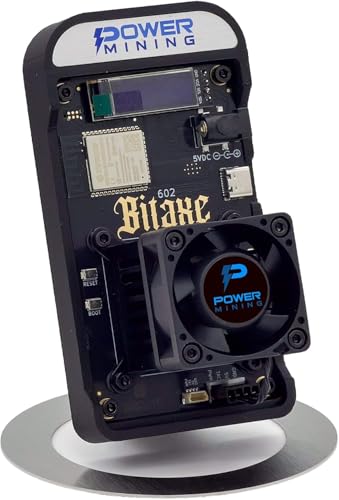
POWER MINING Bitaxe Gamma 602 ASIC Bitcoin Miner | 1.1 TH/s @ 18W | BM1370 Chip (Antminer S21 Pro) | Wi-Fi | USB-C | AxeOS | Open Source | Made in Europe | Incl. Power Supply & Stand
- Hashrate: 1.1 TH/s at 18W power
- Manufactured in Europe: Designed and made in Europe
- ASIC Chip: BM1370 chip from Antminer S21 Pro
As an affiliate, we earn on qualifying purchases.
As an affiliate, we earn on qualifying purchases.
Frequently Asked Questions
How Does Bitcoin’s Hashrate Influence Transaction Speed?
Your Bitcoin’s hashrate directly impacts transaction speed because a higher hashrate improves blockchain security and network decentralization. When the hashrate is strong, miners process transactions faster, reducing confirmation times. This makes the network more resilient against attacks and ensures smoother, quicker transactions. A robust hashrate keeps the blockchain secure and decentralized, preventing any single entity from dominating, which ultimately benefits you with faster, safer transaction confirmations.
Can a High Hashrate Prevent Bitcoin From Being Hacked?
A high hashrate substantially boosts Bitcoin’s security, making it much harder for hackers to compromise the network. While no system is entirely immune to security risks, increased mining efficiency and a robust hashrate act as a formidable defense, discouraging attacks. A stronger hashrate means more computational power needed to take control, ensuring the network remains resilient and trustworthy, even against sophisticated threats.
What Factors Can Cause Fluctuations in Bitcoin’s Hashrate?
You might see Bitcoin’s hashrate fluctuate due to market volatility, which affects miners’ profitability and their willingness to mine. Regulatory impact also plays a role; if governments impose strict rules or bans, miners could shut down operations, causing a drop in hashrate. Changes in electricity costs and technological advancements can influence mining activity as well, leading to these periodic fluctuations in Bitcoin’s hashrate.
How Does Hashrate Relate to Bitcoin’s Energy Consumption?
Think of Bitcoin’s hashrate as a bustling city’s power grid. The higher the hashrate, the more energy it consumes, like a city lighting up more streets. While increased hashrate boosts security and decentralization, it also raises concerns about energy efficiency and environmental impact. You should consider that a higher hashrate means more electricity use, which can strain resources unless the network uses cleaner, greener energy sources.
Is a Rising Hashrate Always a Positive Indicator for Bitcoin?
A rising hashrate generally signals improved market security and increased mining activity, which can be positive. However, it doesn’t always mean better profitability for miners or the overall network health. When the hashrate climbs due to technological upgrades or more miners joining, it strengthens security. But if energy costs rise or mining becomes less profitable, a higher hashrate might not reflect an ideal situation. Stay informed to interpret these signals accurately.

Avalon Q 90TH/s Bitcoin Miner by New Canaan – 18.6J/TH 1674W ASIC Miner, Ultra-Quiet Home Mining Crypto Machine, 110V-240V, Included Original US Power Cord in US Stock
- Brand and Warranty: Genuine New Canaan Avalon Q Miner with warranty
- Hash Rate and Efficiency: 90TH/s at 18.6J/TH energy-efficient
- Plug and Play: Includes 110V-240V power cord for easy setup
As an affiliate, we earn on qualifying purchases.
As an affiliate, we earn on qualifying purchases.
Conclusion
You might think a high hashrate is just about speed, but it actually signals network security and trustworthiness. Some believe a rising hashrate proves miners’ confidence in Bitcoin’s future, making it harder for bad actors to attack. So, when the hashrate climbs, it’s not just numbers—it’s a sign that the network is more secure and resilient, reinforcing your confidence in Bitcoin’s stability and long-term viability.
Avalon Q 90TH/s Bitcoin Miner by New Canaan – 18.6J/TH 1674W ASIC Miner, Ultra-Quiet Home Mining Crypto Machine, 110V-240V, Included Original US Power Cord in US Stock
- Brand and Warranty: Genuine New Canaan Avalon Q Miner with warranty
- Hash Rate and Efficiency: 90TH/s at 18.6J/TH energy-efficient
- Plug and Play: Includes 110V-240V power cord for easy setup
As an affiliate, we earn on qualifying purchases.
As an affiliate, we earn on qualifying purchases.

Pstaroth 2000W Mining Power Supply Support 6 8 GPUs GPU Mining Rig, Aleo, ETH Miner, Active PFC, PC 2000W Mining Power Supply PSU for 8 GPU ETH Rig Ethereum Miner Designed 110V-220V
- Multiple GPU Power Connectors: Supports 6-8 GPUs with various connectors
- Wide Voltage Compatibility: Operates under 110V-240V
- High Temperature Protection: Protects against overheating above 50°C
As an affiliate, we earn on qualifying purchases.
As an affiliate, we earn on qualifying purchases.