Bitcoin has transformed remittances by making cross-border transfers faster, cheaper, and more accessible. You can send money directly using digital wallets, often within minutes, without relying on banks or costly intermediaries. This benefits regions with limited banking infrastructure and reduces remittance costs considerably. While regulations and security are important to take into account, Bitcoin’s innovation is driving financial inclusion worldwide. To understand how these changes are shaping global money flows, keep exploring the details behind this revolution.
Key Takeaways
- Bitcoin enables faster, cheaper cross-border remittances, reducing reliance on traditional banking and transfer services.
- It increases financial inclusion in regions with limited banking infrastructure by providing accessible digital transfer options.
- Variations in global regulations influence the legality and adoption of Bitcoin for remittances across different countries.
- Secure digital wallets and best practices are essential to protect funds during international Bitcoin transfers.
- Bitcoin’s adoption transforms remittance processes, offering efficiency but posing regulatory and security challenges worldwide.

Bitcoin is transforming how people send money across borders, making remittances faster, cheaper, and more accessible. Unlike traditional methods that rely on banks or money transfer services, Bitcoin allows you to bypass intermediaries, reducing fees and wait times. With just a digital wallet, you can send Bitcoin directly to loved ones anywhere in the world, often within minutes. This shift is especially impactful for those in countries with limited banking infrastructure or high remittance costs. Instead of paying hefty service charges, you can use Bitcoin to transfer funds more efficiently, giving recipients quicker access to their money.
However, as you explore using Bitcoin for remittances, it’s vital to stay aware of cryptocurrency regulations that vary across countries. Some nations have embraced Bitcoin, creating clear guidelines to protect users, while others impose restrictions or outright bans. These regulations can influence your ability to send or receive Bitcoin legally, affecting how smoothly your transactions go. Staying informed about local laws ensures you avoid legal issues and can make the most of Bitcoin’s benefits. It’s also wise to understand the evolving landscape of cryptocurrency regulations to adapt your methods accordingly.
Another critical aspect to think about is digital wallet security. Your digital wallet is the gateway to your Bitcoin funds, so protecting it should be a top priority. You need to choose a reputable wallet provider that offers robust security features like two-factor authentication and encryption. Be cautious of phishing attempts or malware that can compromise your wallet and steal your funds. Additionally, consider using hardware wallets for storing larger amounts of Bitcoin securely offline, reducing the risk of hacking incidents. Education about digital wallet security helps you safeguard your money, especially when dealing with cross-border transactions where delays or losses are costly.

TANGEM Wallet Pack of 2 – Secure Crypto Wallet – Trusted Cold Storage for Bitcoin, Ethereum, NFT's & More Coins – 100% Offline Hardware Wallet
THE HIGHEST LEVEL OF SECURITY: Tangem Wallet generates the private key that never leaves the card. Your crypto…
As an affiliate, we earn on qualifying purchases.
As an affiliate, we earn on qualifying purchases.
Frequently Asked Questions
How Do Bitcoin Transaction Fees Compare to Traditional Remittance Services?
You’ll find that Bitcoin’s transaction fee comparison often shows lower costs than traditional remittance services, especially for smaller amounts. A cost efficiency analysis reveals that Bitcoin can save you money by avoiding high fees and hidden charges. However, keep in mind that fees can fluctuate based on network congestion, so it’s wise to monitor the current rates to maximize savings when sending funds globally.
What Are the Legal Implications of Using Bitcoin for Remittances?
Imagine walking a tightrope stretched over a vast legal landscape; using bitcoin for remittances puts you under the watchful eyes of cryptocurrency regulations. You must guarantee legal compliance, understanding that different countries have varying rules. Ignoring these can lead to penalties or account freezes. Stay informed about local laws, follow AML and KYC guidelines, and consult legal experts to keep your transactions secure and within the bounds of the law.
How Does Bitcoin’s Price Volatility Affect Its Use in Remittances?
Price fluctuation makes using Bitcoin for remittances risky because its value can change rapidly. You might send a certain amount, only for it to be worth less when it arrives. To manage this, you can use hedging strategies to lock in prices or convert Bitcoin quickly after sending. This helps you minimize exposure to volatility and ensures your remittance maintains its intended value.
Are There Specific Countries Benefiting Most From Bitcoin Remittance Services?
In emerging markets, you benefit most from Bitcoin remittance services because they offer faster, cheaper transfers compared to traditional methods. Digital banking platforms integrate Bitcoin, making it easier for you to send and receive funds across borders. Countries like Nigeria, the Philippines, and Venezuela see significant advantages as their residents use Bitcoin to bypass limited banking infrastructure and high remittance costs, improving financial inclusion and access.
What Are the Security Risks Involved in Sending Remittances via Bitcoin?
Picture sending a digital arrow across the globe, but beware—the security risks are real. You could face fraud or scams if you don’t verify identities properly. Without strong fraud prevention measures, hackers might hijack your transaction or steal your funds. Always guarantee robust identity verification processes are in place, so your remittance remains safe and secure, protecting your hard-earned money from unintended thieves lurking in the digital shadows.
TANGEM Wallet Pack of 2 – Secure Crypto Wallet – Trusted Cold Storage for Bitcoin, Ethereum, NFT's & More Coins – 100% Offline Hardware Wallet
THE HIGHEST LEVEL OF SECURITY: Tangem Wallet generates the private key that never leaves the card. Your crypto…
As an affiliate, we earn on qualifying purchases.
As an affiliate, we earn on qualifying purchases.
Conclusion
As you explore Bitcoin’s role in global remittances, you can see how it gently reshapes the way money moves across borders. Its innovative approach offers a smoother path for sending funds, even through complex terrains. While challenges remain, embracing this digital shift might just open new doors for financial connectivity. So, keep an eye on this evolving landscape—what once seemed distant is now quietly becoming part of your financial horizon.
Bitcoin remittance transfer app
As an affiliate, we earn on qualifying purchases.
As an affiliate, we earn on qualifying purchases.
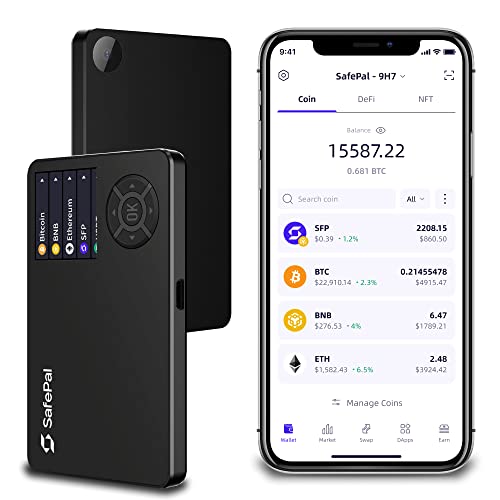
SafePal S1 Cryptocurrency Hardware Wallet, Open Source Crypto Wallet, Securely Stores Private Keys, Cold Storage for Bitcoin, Ethereum and More Tokens, NFTs, Seed Phrases & Crypto Assets
[100% off-line] SafePal S1 adopts an air-gapped signing mechanism, without any connection of Bluetooth, WiFi, NFC, or other…
As an affiliate, we earn on qualifying purchases.
As an affiliate, we earn on qualifying purchases.