

Cross-chain BTC swaps let you exchange Bitcoin securely across different blockchains without giving up custody. They work through smart contracts, like atomic swaps, that lock your BTC until both parties fulfill their parts, ensuring you stay in control. Alternatively, wrapped tokens like WBTC mimic BTC on other chains, enabling swaps without moving your original coins. If you want to understand the full process and how these mechanisms keep your assets safe, continue exploring the details.
Key Takeaways
- Cross-chain BTC swaps enable direct, trustless exchange without transferring custody, using atomic swaps or wrapped tokens.
- Atomic swaps lock assets via smart contracts, releasing them only upon mutual fulfillment, ensuring full transaction security.
- Wrapped BTC (WBTC) tokens represent Bitcoin on other chains, allowing liquidity and swaps without moving the original BTC.
- Users connect their wallets to decentralized protocols, executing swaps that are either fully completed or refunded automatically.
- This method enhances privacy, reduces risks, and maintains full control of BTC during the cross-chain exchange process.

Cross-chain swaps for Bitcoin (BTC) without custody are transforming how you exchange assets across different blockchains, providing a secure and trustless alternative to traditional methods. Instead of relying on centralized exchanges or third parties, these swaps let you trade tokens directly between blockchains, like Bitcoin and Ethereum, without relinquishing control of your funds. This interoperability guarantees you can access DeFi platforms and liquidity pools on other chains while maintaining full custody of your BTC. The trustless nature of these swaps guarantees that transactions either complete fully or not at all, eliminating counterparty risk. This setup is especially essential in decentralized finance, where user control and security are paramount.
Cross-chain Bitcoin swaps enable secure, trustless asset exchange without custody or third-party risks.
Technically, cross-chain swaps operate through mechanisms like atomic swaps or blockchain bridges. Atomic swaps use smart contracts to lock assets on both chains, releasing them only when both parts of the trade are fulfilled. This guarantees the trade executes simultaneously, so neither party can cheat or default. Smart contracts are the backbone here; they enforce the rules and guarantee that either both assets are exchanged or neither is, preventing partial or failed transactions. On the other hand, blockchain bridges employ wrapped tokens, which represent assets from one chain on another. When you want to swap BTC for an Ethereum token, your BTC gets escrowed or locked in a smart contract, and a corresponding pegged token, like WBTC, is minted on Ethereum. This wrapped asset can then be used across decentralized applications, providing liquidity and access without transferring custody of the original BTC.
In the context of BTC, swapping directly to other chains often involves protocols like atomic swaps or wrapped BTC (WBTC). Since Bitcoin’s blockchain doesn’t natively support smart contracts, atomic swaps or wrapped tokens are essential tools. These methods allow you to retain control of your BTC during the entire process, avoiding deposit risks associated with centralized exchanges. Protocols like Sovryn specialize in decentralized BTC swaps, ensuring you maintain full custody while trading across chains. This cross-chain capability expands your opportunities to tap into DeFi on Ethereum or other blockchains, all without surrendering your original assets. These mechanisms are gaining widespread adoption as they provide seamless interoperability and enhance the versatility of digital assets across ecosystems.
The workflow for non-custodial swaps is straightforward. You connect your wallet—like MetaMask—to a decentralized exchange supporting cross-chain transactions. You pick the tokens you want to swap, and a smart contract orchestrates the process. Because these contracts handle atomic execution, they guarantee the swap completes entirely or refunds your assets. Once finished, the new tokens land directly in your wallet, preserving your control. Every step is transparently recorded on the blockchain, so you can verify the transaction’s integrity at any time. Overall, non-custodial cross-chain swaps empower you to trade securely, privately, and without giving up control over your assets, marking a significant shift in how digital assets are exchanged across blockchain ecosystems.

Trezor Safe 7 - Crypto Hardware Wallet with Bluetooth, Color Touchscreen, Transparent Secure Element, Quantum-Ready (Charcoal Black)
Dual-chip architecture for maximum protection: The next-gen, fully auditable TROPIC01 chip works alongside a certified EAL6+ Secure Element—completely...
As an affiliate, we earn on qualifying purchases.
Frequently Asked Questions
Are Cross-Chain Swaps Completely Risk-Free?
You might think cross-chain swaps are risk-free, but they aren’t. These swaps face cybersecurity vulnerabilities, like smart contract bugs and exploits, which hackers can target, leading to huge losses. Plus, risks from centralization and illicit use make them even more perilous. You could also struggle with traceability, making it hard to detect stolen funds or comply with regulations. So, always stay cautious and understand the inherent dangers before using them.
How Long Does a Typical Swap Transaction Take?
You might be surprised how long a swap takes, often depending on the blockchains involved. Typically, it ranges from a few minutes to several hours. Faster networks like Ethereum can complete swaps quickly, while Bitcoin’s slower confirmations extend the process. Congestion, network conditions, and time-locks influence duration. So, plan for variability—your transaction could be swift or take longer, especially during peak times or on busy chains.
Can I Perform Cross-Chain Swaps Without Technical Knowledge?
You can definitely perform cross-chain swaps without technical knowledge. Many user-friendly platforms, like Trust Wallet and decentralized exchanges, automate complex steps like locking assets and verifying transactions. These apps guide you through the process with simple interfaces and step-by-step instructions, so you only need to confirm transactions. While fees and delays still exist, these solutions make swapping assets across different blockchains accessible and straightforward for non-experts.
What Are the Costs Associated With Cross-Chain Swaps?
You’re asking about the costs involved in cross-chain swaps. Think of it as paying your dues; fees include network charges on each chain, which can vary widely—sometimes a few cents, other times several dollars. Plus, platform fees for liquidity providers add up, and slippage can eat into your final amount. Be aware of potential smart contract costs and risks, especially during busy times when fees spike.
Are There Any Limitations on the Amounts I Can Swap?
You might wonder if there are limits on how much you can swap. Usually, there are no fixed caps, but liquidity and network conditions can restrict larger transactions. You need enough assets to cover fees and the swap amount. Some platforms set minimum or maximum limits to ensure smooth operations. Keep in mind, if liquidity is low, your swap might not go through or could be partial.

ELLIPAL Titan 2.0 Crypto Cold Wallet, 100% Offline, Air-gapped - Secure Wallet for 10000+ Coins & Tokens & NFTs
【Ultimate Protection with Air-Gapped & Fully Internet Isolated Design】 ELLIPAL Titan 2.0 uses air-gapped tech for unmatched security...
As an affiliate, we earn on qualifying purchases.
Conclusion
Just like the legendary Icarus soared beyond limits, cross-chain swaps let you transcend traditional boundaries without risking custody. You now hold the power to exchange BTC seamlessly across blockchains, embracing a new era of decentralized freedom. With these tools, you’re no longer bound by intermediaries or vulnerabilities—you’re flying high on the wings of innovation. So, take control, explore new horizons, and let your crypto journey soar beyond the skies.

Trezor Model T - Crypto Hardware Wallet with LCD Touchscreen, Protecting Bitcoin & 1000's of Coins with Maximum Security
All-in-one hardware wallet for easy crypto security, storage & use
As an affiliate, we earn on qualifying purchases.
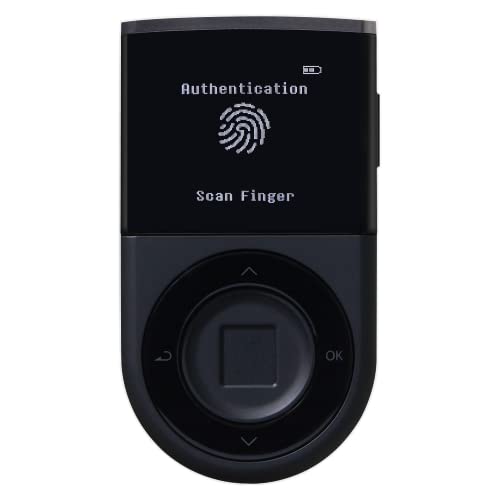
D'CENT Hardware Wallet – Biometric Cold Wallet for Crypto with Fingerprint Authentication | Secure Bluetooth Storage for Bitcoin, Ethereum, XRP, XDC, Solana, Stablecoins & More
UNMATCHED SECURITY WITH BIOMETRIC PROTECTION - Protect your crypto with certified EAL5+ Secure Element chip and advanced fingerprint...
As an affiliate, we earn on qualifying purchases.