
Many Bitcoiners overlook how fragile their trust in hardware wallets really is. They assume cryptographic protocols are unbreakable, devices are untampered, and user interfaces prevent mistakes, but flaws in implementation, supply chain compromises, or design flaws can still be exploited. Overconfidence can lead to risky behavior and overlooked vulnerabilities. If you want to better understand these hidden assumptions and how to protect yourself, you’ll find important insights ahead.
Key Takeaways
- Hardware wallets rely on cryptographic protocols that can have implementation flaws, risking user funds despite their security claims.
- Trust in hardware authenticity and supply chain security is crucial, but often overlooked, increasing the risk of tampered devices.
- User interface design impacts safe operation; poor UI may lead to mistakes or false confidence in device security.
- Overreliance on hardware wallet security can cause complacency, ignoring potential vulnerabilities and the need for ongoing vigilance.
- Verifying firmware signatures and practicing good security hygiene are essential to prevent exploitation of hardware wallet weaknesses.
Hardware wallets are often trusted as a secure way to store cryptocurrencies, but this trust rests on several key assumptions. Primarily, users believe that the cryptographic protocols embedded within these devices are unbreakable and that the security features are robust enough to withstand sophisticated attacks. While hardware wallets do employ strong cryptographic protocols—such as secure key generation, encryption, and signing processes—these protocols are only as effective as their implementation. If vulnerabilities exist in the firmware or hardware design, attackers might exploit them to compromise your private keys. It’s easy to assume that these cryptographic measures are infallible, but history has shown that even the most advanced cryptography can contain flaws or be misapplied. Consequently, trusting a hardware wallet without understanding the underlying cryptographic protocols is a risky oversight.
Trust in hardware wallets relies on perfect implementation of cryptographic protocols, but flaws can still be exploited.
Another critical assumption centers around user interface design. You might think that a well-designed interface makes it easy and safe to operate your wallet, but that’s not always the case. A confusing or poorly designed user interface can lead to mistakes, such as approving malicious transactions or neglecting security prompts. Many hardware wallets aim to keep the user interface simple, yet the complexity of cryptographic operations and security checks needs to be communicated clearly. If the user interface doesn’t effectively guide you through verifying transaction details or security alerts, you might inadvertently compromise your assets. Furthermore, a user interface that isn’t transparent about its security status can give you a false sense of confidence, making you less vigilant about potential threats. Additionally, understanding the limitations of these devices is crucial, as overreliance on trust can lead to overlooked vulnerabilities. Recognizing the potential for supply chain attacks and verifying device authenticity can mitigate some of these risks. It’s also vital to stay informed about emerging threats and vulnerabilities that could impact hardware wallets.
Trusting a hardware wallet also assumes that the device’s supply chain is secure—that it hasn’t been tampered with before reaching you. This is often overlooked but is essential. Attackers can compromise hardware at any stage, from manufacturing to packaging, inserting malicious components or firmware backdoors. You might believe that buying from a reputable source guarantees safety, but supply chain attacks are becoming increasingly sophisticated. It’s essential to verify the authenticity of your device and consider additional security measures, such as verifying firmware signatures or performing supply chain checks. Incorporating hardware security best practices can further protect your assets from tampering risks.
In the end, your confidence in a hardware wallet’s security depends on understanding these assumptions. The cryptographic protocols and user interface are key components, but they are not infallible. Staying aware of potential vulnerabilities, questioning the security claims, and practicing good security hygiene ensure your assets remain protected. Your trust shouldn’t be blind—it should be informed and cautious.
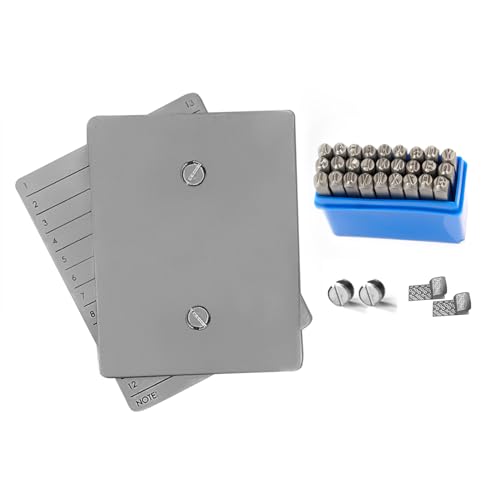
Crypto Wallet Cold Storage Metal Stamp Bitcoin Seed Phrase Storage Compatible with Hardware Wallets,2 Plates&1 Letter Stamps Set
Robust 2mm thick crypto seed phrase storage is compatible with various hardware wallet recovery methods, ensuring the long-term…
As an affiliate, we earn on qualifying purchases.
As an affiliate, we earn on qualifying purchases.
Frequently Asked Questions
How Do Hardware Wallets Handle Firmware Updates Securely?
Hardware wallets handle firmware updates securely by using secure boot processes that verify firmware integrity before installation. When you update, the device checks cryptographic signatures to guarantee the firmware isn’t tampered with. This verification prevents malicious code from running and guarantees only authentic updates are applied. By maintaining secure boot and emphasizing firmware integrity, hardware wallets protect your funds and keep your private keys safe during updates.
What Are the Risks of Supply Chain Attacks on Hardware Wallets?
Like a Trojan horse sneaking into Troy, supply chain vulnerabilities pose real risks for hardware wallets. You could unknowingly receive a counterfeit or compromised device, exposing your private keys to hackers. Attackers may tamper during manufacturing or shipping, creating counterfeit risks that undermine your security. To protect yourself, buy from trusted sources, verify authenticity, and stay vigilant against subtle signs of tampering, so your crypto stays safe from unseen threats.
Can Hardware Wallets Be Hacked Remotely?
Yes, hardware wallets can be hacked remotely through exploiting remote vulnerabilities, but it’s rare. Attackers might target weaknesses in user authentication or firmware updates, potentially gaining access without physical contact. To protect yourself, keep your device’s firmware updated, use strong authentication methods, and stay aware of any security advisories. Remaining vigilant helps minimize risks from remote vulnerabilities and guarantees your crypto assets stay secure.
How Do Hardware Wallets Protect Against Physical Theft?
Hardware wallets protect against physical theft primarily through secure elements and tamper-evident design, making physical tampering difficult. They often include anti-tampering features that erase sensitive data if someone tries to open or manipulate the device. Beware of counterfeit devices, as they may lack these protections. Always buy from trusted sources to verify your hardware wallet’s integrity and prevent theft or fraud.
Are There Differences in Trust Assumptions Between Brands?
Yes, trust assumptions differ between brands due to differences in user interface and brand reputation. Some brands offer more intuitive interfaces, making security features clearer and easier to verify. Others might have a strong reputation for security and transparency, which increases your confidence. It’s crucial to research each brand’s track record and user experience to guarantee your funds stay safe, understanding that trust is built on both usability and reputation.

Ballet REAL Bitcoin Cold Storage Wallet Card – Offline Hardware Wallet for Self-Custody, No Seed Phrase, No Battery, No USB, No Bluetooth, Stainless Steel, 3-Pack
ZERO SETUP, READY TO USE – Unlike many wallets that require PIN setup, handwritten recovery phrases, or firmware…
As an affiliate, we earn on qualifying purchases.
As an affiliate, we earn on qualifying purchases.
Conclusion
As you navigate the world of hardware wallets, remember that even the sturdiest safes can have their delicate hinges. While they’re designed to keep your treasures secure, trust should be shared with the craftsmanship behind the scenes. Keep an eye on the unseen hands that build and maintain your wallet’s security. By staying vigilant, you guarantee your digital vault remains a fortress, not just a beautifully sealed chest with an unknown lock.

Bitkey Bitcoin Hardware Wallet – The Most Secure Way to Buy, Store and Manage Bitcoin
BITCOIN EXCLUSIVE: Bitkey is designed from the ground up exclusively for Bitcoin, offering a dedicated hardware wallet solution…
As an affiliate, we earn on qualifying purchases.
As an affiliate, we earn on qualifying purchases.

Wisdompro Wallet Chain, 2 Pack 8 inch Heavy Duty Pocket Keychain with Lobster Clasps and 2 Keyrings for Keys, Wallet, Jeans, Pants, Belt Loop, Purse and Handbag – Silver
Classic, Elegant Design – Looks Cool & Fashionable
As an affiliate, we earn on qualifying purchases.
As an affiliate, we earn on qualifying purchases.