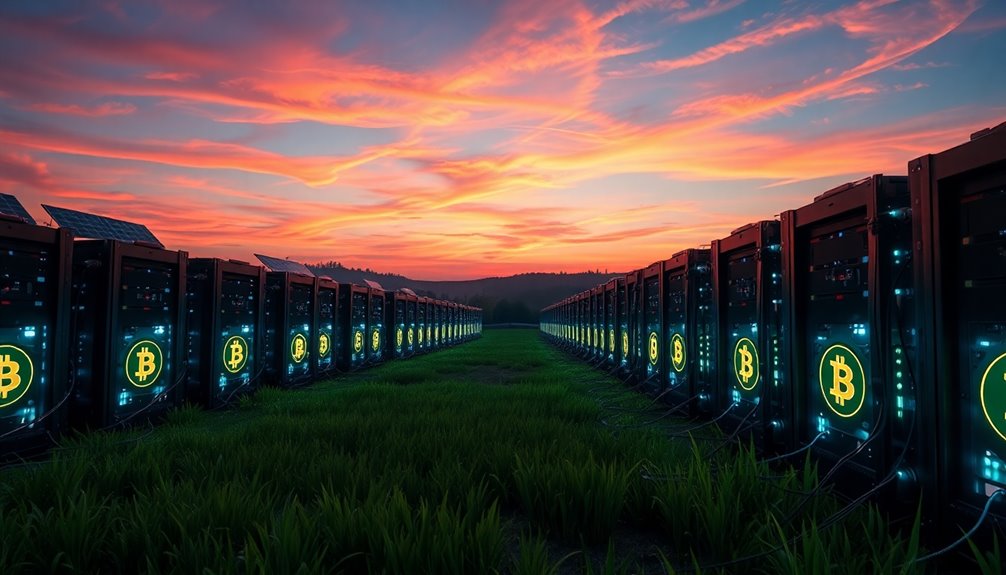

As Bitcoin mining energy consumption continues to rise, you might wonder how this trend impacts the future of BTC. The increasing investment in energy reflects a growing demand for the cryptocurrency's decentralized nature, but it also raises environmental concerns. Yet, innovations in mining technology and a potential shift to renewable energy sources could change the narrative. What does this mean for Bitcoin's sustainability and its role in the digital economy?

Get hardware and tech essentials delivered free — and shop member deals
- Fast, free delivery on millions of items
- Access to Prime Big Deal Days deals on October 6–7
- Prime Video, Amazon Music and more included
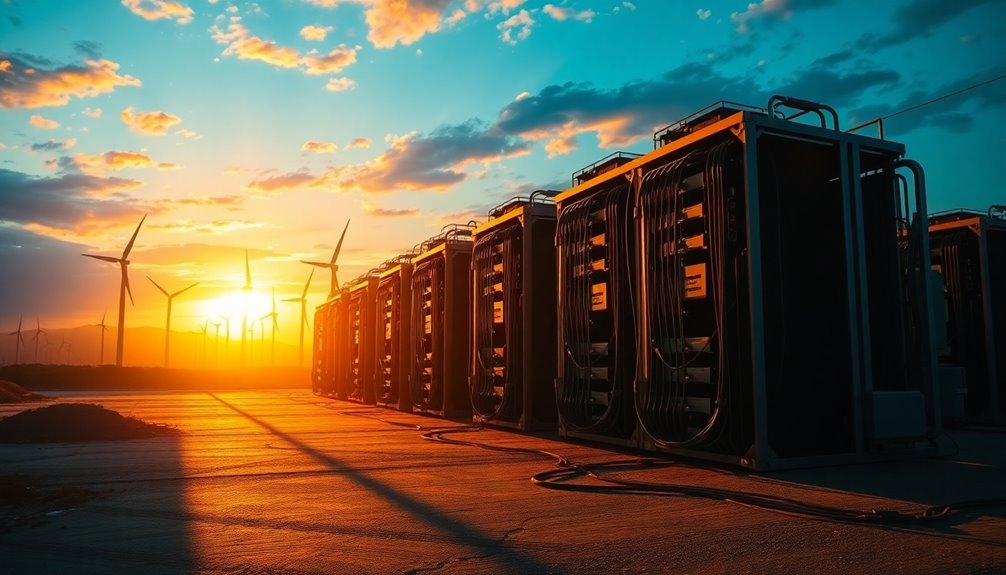
As Bitcoin continues to gain popularity, its energy consumption has surged, raising concerns about sustainability and environmental impact. You might be surprised to learn that a single Bitcoin transaction can consume as much energy as hundreds of thousands of Visa transactions. This stark difference highlights the increasing energy demands of Bitcoin mining, especially as mining difficulty rises with the approach of Bitcoin's supply limits. Consequently, miners face the challenge of investing more energy to secure new coins, further escalating the energy consumption issue.
Most Bitcoin mining operations rely heavily on fossil fuels, contributing to a significant carbon footprint. After China's crackdown on mining operations, the share of renewable energy in Bitcoin mining has declined, leading to increased carbon intensity across the sector. You should consider that energy costs account for approximately 55% of total mining expenses, making it a critical factor for miners. As energy prices fluctuate, the economic viability of mining operations is directly impacted, making efficient energy consumption paramount for profitability.
Most Bitcoin mining relies on fossil fuels, increasing carbon intensity and highlighting the critical need for efficient energy consumption.
Bitcoin mining is distributed globally, with major operations in countries like the U.S. and Kazakhstan. The energy mix varies by location, with some regions still heavily dependent on coal or gas. However, areas rich in renewable resources, such as Norway, present profitable mining opportunities. Miners can also adjust their energy consumption based on grid conditions, which can help stabilize the energy grid.
Geopolitical events, like regulatory changes, influence where mining operations thrive, adding another layer of complexity to the energy landscape. Market dynamics further complicate the situation. Miners compete with other industries for power capacity, driving up demand for energy infrastructure. As mergers and acquisitions in the mining sector increase, it reflects the growing importance of securing energy resources.
Technological advancements are crucial in this context; innovations in mining technology aim to reduce energy consumption per hash, enhancing overall efficiency. The rise of Application-Specific Integrated Circuit (ASIC) miners has significantly improved efficiency while reducing costs. Additionally, integrating mining operations with data centers can optimize resource usage.
Advanced cooling systems are essential for maintaining efficiency and lowering operational costs, while innovations in energy sourcing and management are vital for sustainable mining practices. By embracing these advancements, the future of Bitcoin mining can be both economically viable and environmentally responsible, fortifying the position of Bitcoin as a leading cryptocurrency.
Fall Picks
fall essentials
As an affiliate, we earn on qualifying purchases.