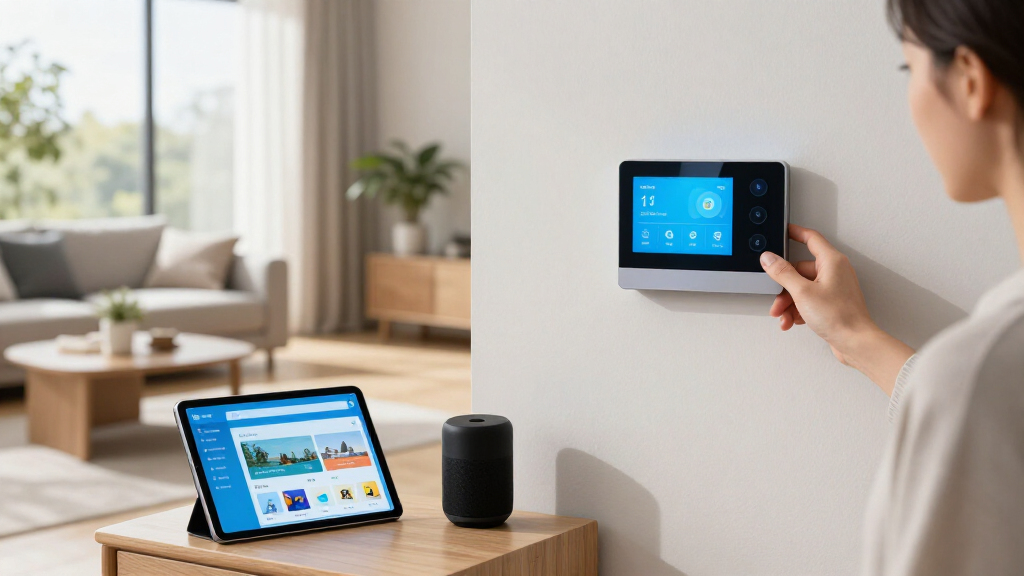

🔍 Read the full analysis: How AI Is Transforming Home Automation: 11 Must-Have Devices For 2026 on ThorstenMeyerAI.com

Get hardware and tech essentials delivered free with Prime
- Fast, free delivery on millions of items
- Prime Video, Amazon Music and more included
- Member-only deals all year
TL;DR
AI is revolutionizing home automation in 2026, with 11 key devices enhancing convenience, privacy, and energy efficiency. This article details the top picks and what to consider.
Artificial intelligence is increasingly integrated into home automation, transforming how homeowners control and customize their living spaces. As of 2026, at least 11 devices stand out for their AI capabilities, offering smarter, more responsive, and more privacy-conscious solutions. This shift is driven by advancements in AI processing, protocol support, and user-friendly interfaces, making smart homes more accessible and efficient than ever before.
The most versatile AI home hubs now combine multiple protocols such as Z-Wave, Zigbee, and Matter, enabling broad device compatibility and seamless integration across brands. Notably, the HomeClaw Smart Home Gateway has emerged as a leading option, praised for its open-source flexibility and AI integration. AI-driven thermostats like the Google Nest Learning Thermostat continue to improve energy efficiency by learning routines, although they often require additional sensors for comprehensive coverage.
Local AI processing options are gaining popularity for privacy and responsiveness, though they tend to involve more complex setup procedures. Budget-friendly options such as the Lutron Caseta Kit offer reliable automation without extensive AI features, appealing to cost-conscious consumers. The landscape is also seeing increased support for open-source platforms, allowing tech-savvy users to customize their systems while proprietary ecosystems remain dominant for ease of use.
Evaluation criteria for these devices include AI capabilities like adaptive learning or voice control, ease of installation, compatibility with existing protocols, and overall build quality. Cost and scalability are also key factors, with the trend moving toward systems that can grow with homeowners’ needs.
The 11 picks
- 1
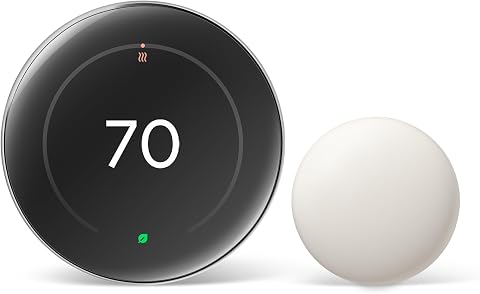 Google Nest Learning Thermostat (4th gen) + Nest Temperature Sensor (2nd gen)…View on Amazon →
- 2
 SwitchBot AI Hub with OpenClaw Support and Local Camera StorageView on Amazon →
- 3
 Lutron Caseta Deluxe Smart Switch Kit with 2 Switches, Hub, Remote, WallplateView on Amazon →
- 4
 Hubitat Elevation C-8 Pro Smart Home Automation Hub – Matter 1.5, Z-Wave 800…View on Amazon →
- 5
 HomeClaw Smart Home Gateway with Home Assistant & OpenClaw AIView on Amazon →
- 6
 AI-Powered Smart Home DevicesView on Amazon →
- 7
 iSG Box SE Smart Home Hub with Preinstalled Home AssistantView on Amazon →
- 8
 Shelly 1PM Gen4 UL Smart Relay Switch with Power Metering, Wi-Fi, Zigbee & Ma…View on Amazon →
- 9
 AI-Powered Smart Home Guide 2026: A Step-by-Step Guide to Designing, Optimizi…View on Amazon →
- 10
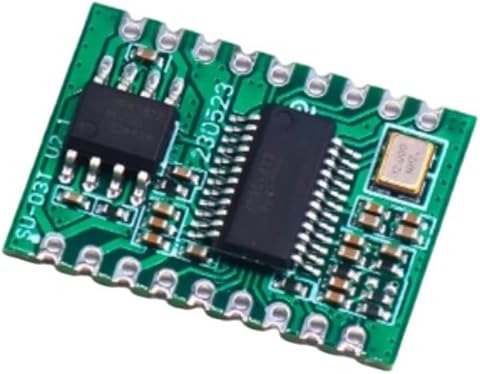 Local AI Voices Command Processor for Home Automation SystemsView on Amazon →
- 11
 AI Powered Smart Home Guide for Beginners 2026View on Amazon →
Why AI Home Devices Matter in 2026
These AI-powered devices are making home automation more intuitive, energy-efficient, and privacy-conscious. They enable homeowners to automate routines, optimize energy use, and enhance security, ultimately saving time and reducing costs. As AI continues to evolve, these devices will become essential components of smart homes, influencing how we live and manage our environments.
Products Worth Considering

Apple MacBook Pro 16-inch with M1 Pro, 10-core CPU, 16-core GPU, 16GB RAM, 1TB SSD, Silver

Logitech MX Master 4 for Mac Wireless Ergonomic Mouse, White Silver

Ledger Nano X Bluetooth Crypto Wallet
As an affiliate, we earn on qualifying purchases.
Evolution of AI in Home Automation
Over the past decade, home automation has transitioned from simple remote controls to complex AI-driven ecosystems. Early devices relied heavily on manual programming and limited protocol support. Recent advancements have introduced AI features such as adaptive learning thermostats, voice recognition, and local processing, increasing adoption. The current landscape reflects a mix of open-source and proprietary systems, with consumers seeking devices that balance ease of use, privacy, and compatibility.
“The integration of AI into home automation is accelerating, making smart homes more responsive and privacy-aware. 2026 will see a significant shift towards local AI processing and multi-protocol hubs.”
— Thorsten Meyer, AI Home Tech Expert
Uncertainties About Future AI Home Devices
While many devices are promising, it remains unclear how widespread adoption of local AI processing will become due to technical complexity and cost. Additionally, the pace of protocol support expansion and integration standards may influence device compatibility and user experience. The long-term reliability and security of open-source platforms versus proprietary ecosystems are still under observation, with ongoing debates about privacy and control.
Next Steps for AI Home Automation in 2026
Developers and manufacturers are expected to release new devices with enhanced AI capabilities, better privacy controls, and broader protocol support. Consumers should watch for updates on device compatibility, local processing options, and integration platforms. Industry standards for AI in home automation are also likely to evolve, influencing future product offerings. Users are encouraged to stay informed about firmware updates and new ecosystem developments to optimize their smart homes.
Key Questions
Can I upgrade my current home automation system with AI devices in 2026?
Yes, many AI-powered devices support integration with existing systems, especially if they use common protocols like Z-Wave, Zigbee, or Matter. Upgrading may involve adding compatible hubs or replacing certain components, but compatibility should be verified beforehand.
What are the main advantages of local AI processing in home devices?
Local AI processing enhances privacy by reducing reliance on cloud services, provides faster responses, and can operate offline. However, it may involve more complex setup and higher costs.
Are open-source AI home automation platforms secure and reliable?
Open-source platforms offer customization and transparency, but security depends on community support and user configuration. They require technical knowledge to maintain securely and effectively.
How scalable are these AI home automation systems for future expansion?
Many systems are designed with scalability in mind, supporting additional devices and features via multi-protocol hubs or open platforms. Proprietary ecosystems may limit expansion options.
Will AI devices in 2026 be more energy-efficient?
Yes, many AI devices are optimized for energy savings, especially smart thermostats and lighting controls that adapt to usage patterns, reducing overall energy consumption.
Source: ThorstenMeyerAI.com