

Argentina is nearing approval of its Bitcoin payroll bill, which aims to let employees receive wages in digital assets. If approved, the legislation will modernize the economy and provide more financial flexibility, especially amid ongoing inflation and currency controls. The bill includes safeguards like salary statements and financial education. Next, the proposal will undergo parliamentary review, with potential adjustments and implementation plans. Staying informed will reveal how this pioneering move could reshape Argentina’s financial landscape.
Key Takeaways
- The bill is currently under parliamentary review, with lawmakers considering implementation options.
- Next steps include potential amendments, regulatory clarifications, and establishing infrastructure for crypto payrolls.
- The government aims to finalize regulations ensuring security, transparency, and compliance with AML and CFT standards.
- Stakeholder consultations, including labor unions and industry experts, are expected to shape the final legislation.
- Successful approval could lead to practical adoption, enabling Argentine workers to receive wages in Bitcoin and digital assets.

Argentina is making significant progress on its Bitcoin payroll bill, moving closer to allowing employees to receive wages in digital assets. This legislation aims to modernize the country’s financial system by integrating cryptocurrencies into everyday transactions. The bill is currently under review in parliament, with lawmakers considering how best to implement a framework that benefits workers and employers alike. Its core goal is to enable employees to choose digital assets like Bitcoin for part or all of their wages, providing an alternative to the struggling national currency. This move responds to Argentina‘s ongoing economic challenges, including inflation rates that soared above 100% in 2023, and strict currency controls that limit access to foreign exchange. With the bill, the government hopes to foster financial autonomy and preserve the value of workers’ earnings amid currency devaluation. This legislation aligns with regional trends of integrating digital assets into financial systems, as seen in neighboring Brazil.
Argentina advances toward allowing wages in digital assets to combat inflation and currency controls.
The proposed legislation is designed to clarify the rights and obligations of both parties involved in crypto payrolls. Employers will be required to provide detailed salary statements, showing both the fiat amount and the Bitcoin equivalent, helping employees understand the real-time value of their wages. To safeguard workers, the bill emphasizes financial education, covering topics such as market volatility, transaction security, and digital asset risks. This ensures employees are well-informed before opting into crypto-based payments. Additionally, ensuring that infrastructure like crypto wallets and payment platforms is accessible and reliable is crucial for successful implementation. Importantly, payroll taxes and social security contributions are set to be calculated based on the fiat value, maintaining compliance with existing fiscal policies. The legislation aims to balance innovation with consumer protection, fostering a secure environment for digital salaries.
Regulatory safeguards are integral to this process. Argentina’s National Securities Commission (CNV) has introduced strict rules governing Virtual Asset Service Providers (VASPs), like crypto exchanges and payment platforms, through General Resolution No. 1058. These measures require registration, AML, and CFT compliance, aiming to prevent fraud, money laundering, and market manipulation. Such regulations are expected to be integrated into the payroll bill, offering transparency and security for workers receiving crypto wages. However, implementing the legislation presents challenges, including the need for widespread infrastructure—crypto wallets, payment platforms, and reliable liquidity—to support real-time salary conversions. Legal clarity on crypto-based salary contracts and potential resistance from labor unions or sectors wary of volatility also pose hurdles.
Regional trends influence Argentina’s approach. Similar initiatives are underway in Brazil, where a bill allowing salaries in Bitcoin and other digital assets has gained traction. Both countries emphasize regulatory oversight and financial literacy to promote adoption while protecting consumers. Argentina’s progressive stance reflects its economic context, government policies favoring crypto innovation, and regional momentum. As the legislative process advances, the next steps involve parliamentary reviews, potential amendments, and discussions on implementation. The successful passage and execution of the bill could mark a significant shift in Argentina’s financial landscape, offering workers greater flexibility and resilience in a turbulent economy.

TANGEM Crypto Wallet Pack of 2 – Trusted Cold Storage Hardware Wallet
- Proven Security: Over 9 years, no remote hacks
- Secure Chip Technology: Military-grade EAL6+ security
- Easy Wallet Management: Tap once, no cables or batteries
As an affiliate, we earn on qualifying purchases.
As an affiliate, we earn on qualifying purchases.
Frequently Asked Questions
How Will Tax Regulations Adapt to Bitcoin Payroll Payments?
You wonder how tax rules will adapt to Bitcoin payroll payments. As regulations evolve, you can expect stricter reporting requirements, including detailed wallet and transaction disclosures. Authorities might introduce tax incentives or deductions for crypto payroll, but penalties for non-compliance will remain severe. You’ll need to stay updated and use compliant payroll systems to avoid fines and legal issues while benefiting from potential new frameworks supporting crypto wages.
What Are the Potential Risks for Employees Accepting Bitcoin?
Accepting Bitcoin as payment exposes you to market volatility, which can drastically reduce your salary overnight. You also face legal and tax uncertainties, making it tricky to handle reporting and compliance. Security risks are significant if you’re not familiar with crypto storage, risking theft or loss. Additionally, fluctuating values complicate household budgeting, and evolving regulations could change your rights or obligations unexpectedly. Stay informed and consider safer options like stablecoins to reduce these risks.
Will Bitcoin Payroll Be Available to All Industries?
You might wonder if Bitcoin payroll will be available across all industries. Given the current regulations, it’s likely accessible to most sectors, since there’s no explicit industry restriction. However, compliance requirements like AML and KYC, plus sector-specific rules, could influence implementation. While some industries like finance face restrictions, others, especially those embracing crypto, are poised to adopt Bitcoin payroll seamlessly, making it a versatile payment option in Argentina.
How Does This Bill Compare to Other Countries’ Crypto Laws?
You’ll find that Argentina’s bill differs from other countries’ crypto laws by focusing on integrating Bitcoin into payroll systems amid inflation and currency controls. Unlike El Salvador, where Bitcoin is legal tender, Argentina emphasizes regulation, requiring VASP registration and transparency measures. Brazil’s approach involves detailed payment disclosures and financial education. Overall, Argentina balances innovation with strict oversight, aligning with regional efforts to protect consumers while promoting crypto adoption amidst economic instability.
What Infrastructure Is Needed for Widespread Bitcoin Payroll Adoption?
Ever wondered what it takes for Bitcoin payroll to go mainstream? You’ll need robust regulatory frameworks, clear legal compliance, and secure technical infrastructure. Implement AML and KYC protocols, choose scalable blockchain platforms, and develop smart contracts for automation. Partner with reliable payroll software providers, educate employees about crypto management, and guarantee seamless integration with existing systems. Isn’t it exciting to see how these elements can make crypto payroll accessible and trustworthy for everyone?
As an affiliate, we earn on qualifying purchases.
Conclusion
As Argentina’s Bitcoin payroll bill moves forward, you’re standing at the crossroads of change. Think of this legislation as a bridge, connecting traditional finance to a new digital frontier. It’s an exciting leap toward financial innovation, where you can envision a future where digital currencies seamlessly support your everyday earnings. Keep an eye on this evolving landscape—you’re on the cusp of a financial revolution that could reshape how you get paid and manage money.
digital asset salary payment system
As an affiliate, we earn on qualifying purchases.
As an affiliate, we earn on qualifying purchases.
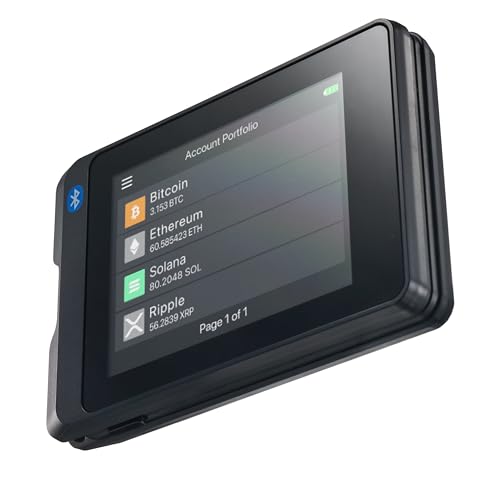
SecuX W20 Crypto Wallet with Intuitive Touchscreen, Hardware Wallet with Bluetooth, Easy to Manage Bitcoin, Ethereum, NFTs, Tokens, and Cryptocurrency with Military-Grade Security Features
- Security Certification: Certified CC EAL5+ Secure Element
- Offline Storage: Store private keys offline, unhackable
- User-Friendly Display: Clear transaction details on touchscreen
As an affiliate, we earn on qualifying purchases.
As an affiliate, we earn on qualifying purchases.