

The global shift toward crypto payments is accelerating as more businesses accept digital currencies for everyday transactions. With clearer regulations and improved digital wallets, using cryptocurrencies is becoming more practical and secure. This trend is transforming how you send, receive, and spend money worldwide. As adoption grows, understanding these changes can help you navigate the evolving financial landscape. If you want to discover how this movement might impact your finances, there’s more to explore ahead.
Key Takeaways
- Increasing global merchant acceptance signifies mainstream integration of cryptocurrencies in everyday transactions.
- Evolving regulatory environments influence crypto adoption rates and ensure consumer protection.
- Adoption of digital wallets enhances user convenience and security in crypto payments.
- Supportive regulations and improved wallets create a feedback loop accelerating crypto transaction growth.
- The shift toward crypto payments is reshaping the global financial landscape and payment ecosystems.

Have you noticed how more businesses worldwide are embracing cryptocurrencies for transactions? This growing trend isn’t accidental; it reflects a significant shift in how people and companies view digital payments. As merchants start accepting cryptocurrencies, it’s clear that digital currencies are no longer just speculative assets but practical tools for everyday commerce. However, this expansion isn’t happening without challenges. One key factor influencing this shift is the landscape of cryptocurrency regulation. Governments and regulatory bodies are working to establish frameworks that protect consumers and ensure financial stability while trying not to stifle innovation. Some countries are more welcoming, introducing clear rules that facilitate crypto adoption, whereas others impose strict restrictions or outright bans. This uneven regulatory environment impacts how quickly and smoothly businesses can incorporate cryptocurrencies into their payment systems. It’s vital for merchants and consumers alike to stay informed about local regulations, as these rules shape their options and influence security measures.
Alongside regulation, digital wallet adoption plays an essential role in propelling the global shift toward crypto payments. Digital wallets act as the bridge connecting users to cryptocurrencies, making transactions seamless and accessible. As more individuals and businesses adopt digital wallets, the process of sending, receiving, and storing cryptocurrencies becomes more straightforward, fostering greater trust and convenience. Advances in wallet technology—such as enhanced security features, user-friendly interfaces, and integration with existing payment systems—encourage wider adoption. When people feel confident that their digital assets are protected, they’re more likely to use cryptocurrencies for daily transactions. This increased adoption also drives the development of point-of-sale solutions and payment gateways tailored to cryptocurrencies, further integrating them into mainstream commerce. Improving color accuracy in projectors can also boost the visual appeal of digital payment interfaces displayed in retail environments.
The combination of evolving cryptocurrency regulation and the rise in digital wallet adoption creates a positive feedback loop, accelerating the global shift toward crypto payments. As regulations become clearer and more supportive, they provide a safer environment for users and businesses to transact. Simultaneously, improved digital wallets simplify the user experience, making crypto payments as easy as traditional methods. Together, these factors are transforming how money moves around the world, pushing it toward a future where digital currencies are commonplace. If you’re considering using or accepting cryptocurrencies, understanding these dynamics is vital. They determine not only the feasibility of your transactions but also your safety and compliance in an increasingly digital economy. The trend is clear: crypto payments are here to stay, reshaping the global financial landscape one transaction at a time.
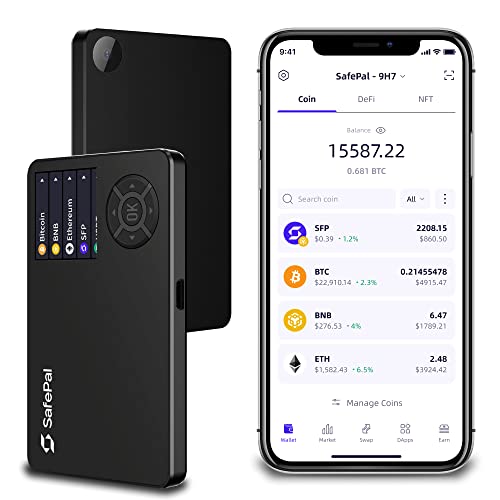
SafePal S1 Cryptocurrency Hardware Wallet, Open Source Crypto Wallet, Securely Stores Private Keys, Cold Storage for Bitcoin, Ethereum and More Tokens, NFTs, Seed Phrases & Crypto Assets
[100% off-line] SafePal S1 adopts an air-gapped signing mechanism, without any connection of Bluetooth, WiFi, NFC, or other…
As an affiliate, we earn on qualifying purchases.
As an affiliate, we earn on qualifying purchases.
Frequently Asked Questions
How Secure Are Crypto Payment Transactions?
Crypto payment transactions are generally secure thanks to advanced cryptographic algorithms that protect your data. Blockchain technology ensures transparency and immutability, reducing fraud risks. However, security also depends on blockchain scalability; if the network is congested, vulnerabilities may increase. You should always use reputable wallets and enable extra security measures like two-factor authentication to keep your transactions safe.
Which Countries Are Leading in Crypto Adoption?
You’ll find that countries like El Salvador, Nigeria, and Singapore are leading in crypto adoption. These nations often face regulatory challenges, but cultural acceptance helps drive innovation and usage. Governments in these regions are embracing crypto’s potential, making it easier for you to use digital currencies in daily transactions. As this trend continues, expect more countries to follow, balancing regulation with cultural openness to foster widespread crypto adoption.
What Are the Tax Implications of Crypto Payments?
Crypto payments are like a double-edged sword, offering new opportunities but also legal pitfalls. You’ll need to report your crypto transactions for tax purposes, ensuring you stay compliant with local regulations. Failing to do so could lead to penalties or audits. Keep detailed records of your crypto activities, understand your jurisdiction’s tax rules, and stay updated on regulatory compliance to avoid surprises and protect your financial future.
How Do Crypto Payments Compare to Traditional Banking?
Crypto payments often have lower transaction fees compared to traditional banking, especially for international transfers. You use digital wallets to send or receive cryptocurrency quickly and securely. Unlike banks, which may charge hefty fees and take days to process, crypto transactions are faster and more cost-effective. However, you should be aware of potential price volatility and the lack of regulation, which can impact your payment security and value.
What Are the Future Trends in Crypto Payment Technology?
You’ll see crypto payment technology evolve rapidly, with over 68% of financial institutions exploring blockchain integration. Future trends focus on enhancing user experience through faster, more secure transactions and seamless interfaces. Expect widespread adoption of decentralized apps and smart contracts, making payments more transparent and efficient. As these innovations grow, you’ll find crypto payments becoming more accessible and user-friendly, transforming how you send and receive money globally.
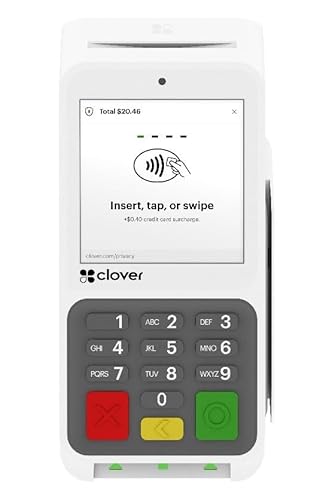
Clover Compact Payment Terminal – Requires New Merchant Processing Account Through Powering POS.
This is a stand alone credit/debit payment terminal, does not connect to a Clover Station or Mini. Plug…
As an affiliate, we earn on qualifying purchases.
As an affiliate, we earn on qualifying purchases.
Conclusion
As you embrace the future of transactions, remember that over 40% of global consumers are now open to using cryptocurrencies for purchases, highlighting a major shift. This trend shows that crypto payments are becoming more mainstream, making transactions faster and more secure. So, whether you’re a business owner or shopper, staying ahead means considering how digital currencies can fit into your financial routine. The world is moving toward a crypto-powered economy—are you ready to join in?

The Basics of Bitcoins and Blockchains: An Introduction to Cryptocurrencies and the Technology that Powers Them (Cryptography, Derivatives Investments, Futures Trading, Digital Assets, NFT)
As an affiliate, we earn on qualifying purchases.
As an affiliate, we earn on qualifying purchases.

TANGEM Wallet Pack of 2 – Secure Crypto Wallet – Trusted Cold Storage for Bitcoin, Ethereum, NFT's & More Coins – 100% Offline Hardware Wallet
THE HIGHEST LEVEL OF SECURITY: Tangem Wallet generates the private key that never leaves the card. Your crypto…
As an affiliate, we earn on qualifying purchases.
As an affiliate, we earn on qualifying purchases.