🔍 Read the full analysis: 10 Best USB Microphones In 2027 on ThorstenMeyerAI.com

Get hardware and tech essentials delivered free with Prime
- Fast, free delivery on millions of items
- Prime Video, Amazon Music and more included
- Member-only deals all year
TL;DR
ThorstenMeyerAI.com published a 2027 roundup naming the Blue Yeti Blackout its overall pick, the FIFINE K669B a beginner value option and the FIFINE AM8 a choice for noisy rooms. The article describes its ranking criteria, but the supplied material does not include measured results, prices, or detailed findings for all 10 models.
ThorstenMeyerAI.com has published a 2027 guide to 10 USB microphones, naming the Logitech Blue Yeti Blackout its best overall choice, the FIFINE K669B its value pick for beginners and the FIFINE AM8 its preferred option for noisy rooms. The roundup focuses on practical tradeoffs—especially microphone type, pickup patterns and onboard controls—but the source material provided does not include test measurements, prices or a full set of findings for every model.
The guide says it ranked microphones against audio clarity, build quality, ease of use, versatility and value. It also says it considered frequency response, noise rejection, mounting, pickup patterns and controls such as mute, gain and headphone monitoring. The ranking is presented as a balance of performance and practicality, rather than price alone.
Its headline recommendations distinguish three use cases. The Blue Yeti Blackout is described as a flexible option for recording interviews, vocals and instruments; the FIFINE K669B is positioned as a beginner-friendly budget pick; and the FIFINE AM8 is recommended for streamers or others recording in rooms with background noise. These are the guide’s assessments, not independently verified test results in the material supplied.
The remaining named products are the ZealSound K66, JOUNIVO, CMTECK G009, DUNGZDUZ mini and TONOR G11. The source also refers to “CMTECK” and “JOUNIVO” models without giving complete model numbers, and does not provide individual profiles for every microphone in the promised 10-product list. That limits how fully readers can compare the ranking from the information available here.
The 10 picks
- 1
 Logitech Blue Yeti USB Microphone – BlackoutView on Amazon →
- 2
 Logitech Blue Yeti USB Microphone – Midnight BlueView on Amazon →
- 3
 FIFINE AmpliGame AM8 USB/XLR Dynamic MicrophoneView on Amazon →
- 4
 FIFINE K669B USB Condenser MicrophoneView on Amazon →
- 5
 ZealSound K66 USB Podcast Microphone with Noise Cancellation, Gain & Volume C…View on Amazon →
- 6
 TONOR G11 USB Conference Microphone for PC and MacView on Amazon →
- 7
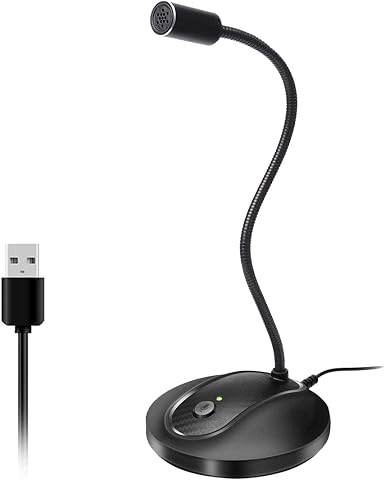 JOUNIVO JV-601 USB Microphone – 360° Adjustable Gooseneck, Mute Button, LED I…View on Amazon →
- 8
 CMTECK USB Computer Microphone G009 – Noise‑Cancelling Desktop Mic with Mute…View on Amazon →
- 9
 Plug & Play USB Computer Microphone with Flexible Gooseneck and Mute ButtonView on Amazon →
- 10
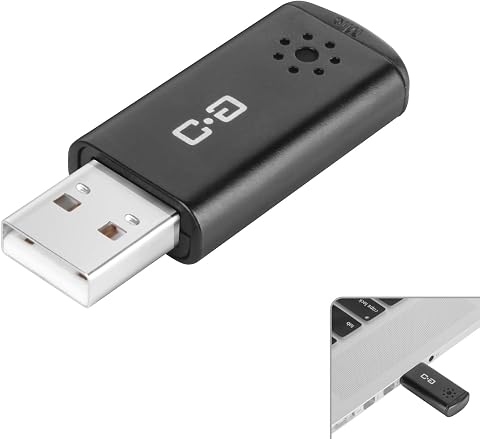 DUNGZDUZ Mini USB Microphone for Laptop & DesktopView on Amazon →
Choosing a Mic for Your Room
The guide’s main practical point is that the recording environment can matter as much as the microphone price. Condenser microphones tend to capture more detail, but the source says they can also pick up keyboard noise, room echo and air-conditioning. Dynamic microphones are less sensitive and may be a better fit for untreated or noisy spaces, though that does not guarantee clean audio in every setup.
Features can also change how easy a microphone is to use day to day. Mute, gain and headphone monitoring controls let users make adjustments without relying entirely on recording software. For streamers, remote workers and new podcasters, those conveniences may be more relevant than small differences in sound that the source does not quantify.
Because the article gives no prices or standardized measurements in the supplied material, readers should treat labels such as “best overall” and “unbeatable value” as editorial judgments. The guide is useful as a shortlist by intended use, but it does not establish a universal winner for every room, device or budget.
Products Worth Considering

Logitech MX Master 4 for Mac, Ergonomic Bluetooth Mouse with Haptic Feedback, Ultra-Fast Scrolling, USB-C Charging, for MacOS, iPadOS, Windo

Logitech MX Mechanical Full-Size Wireless Mechanical Keyboard, Tactile Quiet Switches, Backlit Keys, Bluetooth, USB-C, Multi-Device, Graphit

Logitech MX Keys S Wireless Keyboard, Graphite
As an affiliate, we earn on qualifying purchases.
The Tradeoffs Behind the Picks
The roundup groups USB microphones around several familiar design choices. Cardioid pickup is aimed at sound in front of the mic and is commonly used for solo recording. Omnidirectional pickup captures sound from multiple directions, which can help when several people share a microphone, while bidirectional pickup is intended to capture from the front and rear. The source identifies the Blue Yeti as offering multiple patterns.
Mounting and device compatibility are other considerations raised by the guide. A gooseneck design can be repositioned easily on a desk, while a tripod-mounted microphone may offer a steadier base but take up more space. The source says users recording on phones or tablets should check connector and operating-system support; it does not provide a verified compatibility list for each product.
The publisher says its process compared performance and usability, but the supplied text does not show a test protocol, recordings, measurement tables or details about how products were obtained. The selection should therefore be read as a published buying guide, not a reported laboratory comparison.
“The Logitech Blue Yeti Blackout remains the best overall pick.”
— ThorstenMeyerAI.com
Missing Test and Product Details
The supplied source does not include prices, publication date, test recordings, measured audio results or a complete list of 10 individually described products. It names eight products or product families in the available text, leaving two picks unidentified here. It is also unclear how the publisher tested microphones, whether all were assessed under the same conditions, or how it resolved close rankings.
Claims such as “broadcast-quality,” “unbeatable value” and “better than any condenser at a similar price” are the publisher’s characterizations. Without stated prices, comparison methods or supporting measurements, those phrases cannot be independently assessed from the supplied material. Product availability and compatibility may also vary by region and device.
Check the Full Product List
Readers seeking to compare all 10 picks will need the complete guide, including the two products not named in the supplied excerpt and any model-specific test results. Before buying, check current pricing, connector requirements, operating-system support and return terms with the retailer or manufacturer. The source provides no date for a follow-up or testing update, so it is not clear whether the ranking will be revised during 2027.
Key Questions
Which USB microphone does the guide rank first?
ThorstenMeyerAI.com names the Logitech Blue Yeti Blackout its best overall pick, citing its multiple pickup patterns and suitability for different kinds of recording. The supplied material does not include test measurements to verify that assessment.
Which pick is aimed at beginners?
The guide recommends the FIFINE K669B as a value option for beginners. It does not provide a current price or detailed comparison with other entry-level microphones in the supplied text.
Which microphone does the guide suggest for a noisy room?
It points to the FIFINE AM8, a dynamic microphone, for streamers recording amid background noise. The source describes dynamic microphones as less sensitive to surrounding sound, but room acoustics and mic placement still affect results.
Does the source give complete details for all 10 microphones?
No. The supplied material names eight products or product families and does not provide two other picks or individual findings for every microphone. It also omits prices and standardized test results.
Source: ThorstenMeyerAI.com