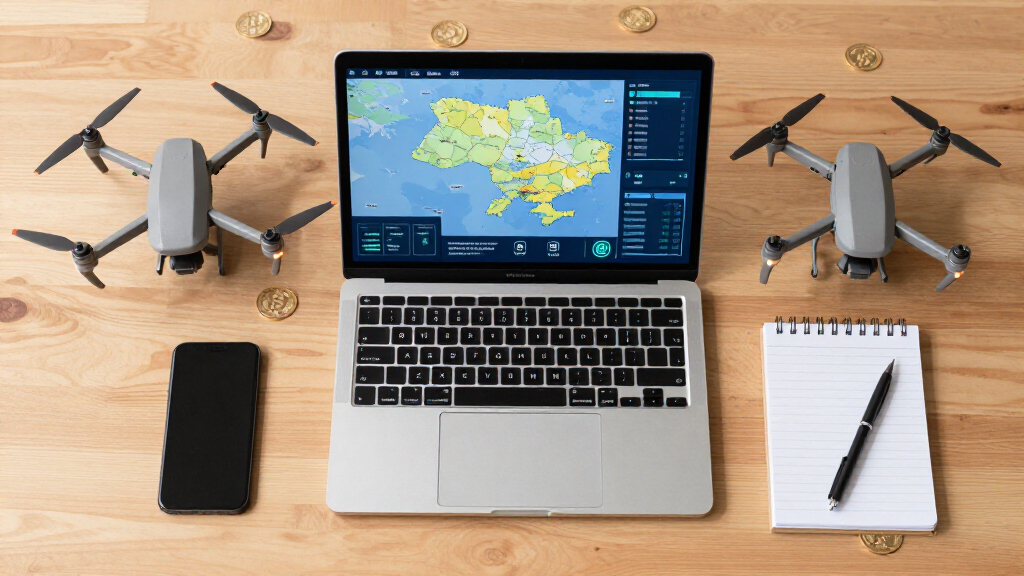

📊 Full opportunity report: AI Powers Ukraine’s Strategic Moves Against Russia’s Amazon on ThorstenMeyerAI.com — validation score, market gap, and execution plan.

Get hardware and tech essentials delivered free — and shop member deals
- Fast, free delivery on millions of items
- Access to Prime Big Deal Days deals on October 6–7
- Prime Video, Amazon Music and more included
TL;DR
Ukraine has launched targeted drone strikes against Wildberries warehouses across Russia, disrupting logistics and supply chains. This strategic move aims to weaken Russia’s military procurement and civilian economy, leveraging AI and cyber tactics. The full impact and future developments remain uncertain.
Ukraine has conducted a series of drone strikes against Wildberries logistics facilities across Russia since 18 July, targeting the country’s largest online marketplace. These attacks aim to disrupt Russia’s supply chain and military procurement network, marking a significant escalation in Ukraine’s strategic operations.
Since mid-July, Ukrainian drones have hit at least 20 Wildberries warehouses across Russia, damaging or destroying over 1.18 million square meters of warehouse space, according to satellite imagery reviewed by Reuters. These strikes are part of Ukraine’s broader effort to weaken Russia’s logistical infrastructure by targeting a network that connects civilian commerce with military supplies.
Wildberries, often called Russia’s Amazon, plays a crucial role in decentralized procurement. It supplies military gear, tactical equipment, and components used in drone production, often purchased by soldiers, volunteers, and small groups without direct government contracts. Ukraine’s strikes aim to disrupt this system, making procurement and distribution more difficult.
Since 18 July, Ukrainian drones have hit ~20 Wildberries logistics sites. It looks like an odd target — until you see that one strike can hit three systems at once: the battlefield supply chain, the civilian economy, and the banks.
Wildberries is a consumer marketplace, a national logistics network, a decentralised military-supply channel, and an increasingly important node in Russia’s banking system. Hit a warehouse and the cost propagates outward.
Implications of Disrupting Russia’s Decentralized Supply Network
This strategy significantly impacts Russia’s ability to supply its military and sustain its civilian economy. By targeting Wildberries’ logistics hubs, Ukraine aims to create logistical friction, increasing costs and delays for military and civilian procurement. The attacks also signal a shift towards cyber and drone warfare that leverages AI and decentralized supply chains to weaken Russia’s war effort from within.
drone detection and jamming equipment
As an affiliate, we earn on qualifying purchases.
As an affiliate, we earn on qualifying purchases.
Wildberries’ Role in Russia’s War Economy
Wildberries, valued at handling goods worth roughly 3% of Russia’s GDP last year, serves as a vast, decentralized logistics platform. It connects thousands of independent sellers and buyers across Russia and neighboring countries, facilitating the sale of everything from consumer electronics to military equipment. During the war, its platform has been scrutinized for listings of military gear, including helmets, body armor, drones, and electronic components, although the company denies supplying the military directly.
The Ukrainian strategy targets the supply chain of civilian goods that have become critical in military logistics, especially components like fibre-optic cables used in drone navigation and communication systems. Striking these hubs aims to hinder procurement, increase costs, and slow down Russia’s military adaptations.
"Our operations aim to weaken Russia’s logistical backbone and hinder its military capabilities by targeting key supply nodes."
— Ukrainian Defense Ministry spokesperson
industrial warehouse security cameras
As an affiliate, we earn on qualifying purchases.
As an affiliate, we earn on qualifying purchases.
Extent of Damage and Future Impact Still Unclear
While satellite imagery confirms physical damage to warehouses, the full extent of disruption to Russia’s military procurement and civilian economy remains uncertain. It is not yet clear how long the effects will last or how Russia will adapt its logistics in response.
Additionally, the precise targeting criteria—whether aimed at specific military components or broader logistical disruption—are still being clarified by Ukrainian officials.
As an affiliate, we earn on qualifying purchases.
Expected Developments in Ukraine’s Strategic Disruption
Ukrainian authorities are likely to continue targeting Wildberries logistics hubs, possibly expanding to other critical supply nodes. Future strikes may focus on increasing logistical friction and delaying procurement cycles, with ongoing assessments of the impact on Russia’s military operations. Monitoring satellite imagery and official statements will be key to understanding the evolving situation.
As an affiliate, we earn on qualifying purchases.
Key Questions
Why is Ukraine targeting Wildberries warehouses?
Ukraine aims to disrupt Russia’s decentralized supply network, which supplies military gear and components used in drone production, thereby increasing logistical costs and delays for Russia’s war effort.
Are these strikes affecting civilian consumers?
Yes, the damage to warehouses impacts thousands of independent sellers and consumers, causing economic disruptions and inventory shortages across Russia’s e-commerce sector.
Does Wildberries supply military equipment directly?
Wildberries denies supplying military gear, and it is primarily a civilian marketplace. However, its platform has become a key node in the supply chain used by military and volunteer groups.
What are the strategic advantages of targeting fibre-optic cables?
Fibre-optic cables are critical for drone navigation and communication systems. Disrupting their supply hampers Ukraine’s ability to produce and deploy advanced drone technology used in the conflict.
What might Russia do in response to these strikes?
Russia could increase security around logistics hubs, develop alternative supply routes, or accelerate efforts to domestically produce critical components to reduce reliance on civilian supply chains.
Source: ThorstenMeyerAI.com
Fall Picks
fall essentials
As an affiliate, we earn on qualifying purchases.