Central banks worldwide are exploring digital currencies to modernize financial systems and improve transaction efficiency. They aim to create government-backed digital currencies, known as CBDCs, to complement cash and traditional banking. These plans focus on ensuring security, privacy, and regulatory compliance while promoting trust among users. If you want to understand how these initiatives could reshape money and how regulations balance innovation with security, there’s more to uncover ahead.
Key Takeaways
- Many central banks are actively exploring or piloting CBDCs to modernize payment systems and enhance financial efficiency.
- CBDC projects aim to provide a secure, government-backed digital alternative to cryptocurrencies and cash.
- Regulatory frameworks are being developed to balance security, privacy, and prevent illicit activities in digital currencies.
- Central banks prioritize transaction security and user privacy, aiming to build public trust in digital currencies.
- Implementation timelines vary, with some countries conducting trials, and others preparing for broader adoption.

Have you wondered how central banks are shaping the future of money? It’s a question many are asking as digital currencies become more prominent. Central banks around the world are exploring digital currencies to modernize financial systems, improve payment efficiency, and stay competitive in an increasingly digital economy. Instead of relying solely on cash or traditional bank deposits, they’re developing their own digital currencies—central bank digital currencies, or CBDCs—that could redefine how money functions. These digital currencies are designed to be secure, government-backed, and easily integrable into daily transactions, giving users a new way to store and transfer value seamlessly.
As central banks push forward with CBDC plans, one of the biggest hurdles involves cryptocurrency regulation. Unlike decentralized cryptocurrencies like Bitcoin or Ethereum, CBDCs are centralized and controlled by the issuing authority. This allows governments to implement strict regulations to prevent illegal activities such as money laundering, fraud, or tax evasion. However, balancing regulation with innovation isn’t simple. Overly strict rules could stifle the benefits of digital currencies, while lax policies might open doors to financial crimes. As you follow these developments, it’s clear that regulators are keen on establishing frameworks that promote security and trust without hampering adoption. This ongoing balancing act influences how quickly and smoothly CBDCs can be integrated into mainstream finance. Additionally, designing these currencies requires careful consideration of security measures to protect against cyber threats and fraud.
Privacy concerns also play a critical role in shaping these digital currency plans. Central banks want to ensure that users’ transactions are protected, but they also need to maintain oversight to prevent misuse. Striking this balance isn’t easy. Many worry that CBDCs could give governments and central banks too much access to personal financial data, raising fears about surveillance and erosion of privacy. Conversely, some argue that privacy protections can be built into the technology, allowing users to enjoy secure, private transactions while still enabling necessary oversight. As you consider these issues, it’s evident that designing a CBDC involves making tough choices about transparency and confidentiality. The way central banks address privacy concerns will heavily influence public trust and acceptance of digital currencies.

ELLIPAL Titan 2.0 Crypto Cold Wallet, 100% Offline, Air-gapped - Secure Wallet for 10000+ Coins & Tokens & NFTs
【Ultimate Protection with Air-Gapped & Fully Internet Isolated Design】 ELLIPAL Titan 2.0 uses air-gapped tech for unmatched security...
As an affiliate, we earn on qualifying purchases.
Frequently Asked Questions
How Will Digital Currencies Impact Global Financial Stability?
Digital currencies could considerably impact your financial stability by increasing cryptocurrency adoption and influencing monetary policy implications. As digital currencies become more widespread, they might boost transaction efficiency and financial inclusion, but also introduce volatility risks. You should stay aware of regulatory changes and market shifts, as these factors could affect your investments and savings. Ultimately, their integration may stabilize or destabilize financial systems, depending on how effectively authorities manage these new digital assets.
What Privacy Protections Will Digital Currencies Offer Users?
Digital currencies aim to offer strong privacy safeguards, but user anonymity varies depending on the design. You might enjoy some level of privacy, such as encrypted transactions, but complete anonymity isn’t guaranteed to prevent oversight or fraud. Central banks could implement features like transaction limits or identity verification to balance privacy with security. Ultimately, you should stay informed about the specific privacy protections each digital currency provides, as they can differ markedly.
How Will Digital Currencies Affect Traditional Banking Services?
They say “change is the only constant,” and digital currencies will certainly reshape traditional banking services. You’ll experience faster digital payments, reducing reliance on cash and physical branches. This enhances banking efficiency, making transactions smoother and more secure. However, it may also challenge existing banks to innovate or risk losing relevance. Embracing digital currencies means you’ll need to adapt, but ultimately, it offers a more streamlined, accessible financial experience.
What Are the Cybersecurity Risks Associated With Digital Currencies?
You face cybersecurity threats like hacking, fraud, and data breaches when dealing with digital currencies. Encryption challenges make it harder to protect transaction data, increasing the risk of unauthorized access. If security measures fail, your assets could be stolen or compromised. Staying informed about the latest security protocols and using strong, multi-layered encryption can help you mitigate these risks and keep your digital currency transactions safe.
How Will Central Banks Regulate and Control Digital Currency Circulation?
Imagine holding a digital dollar in your hand, yet knowing the central bank is watching every move. They’ll regulate and control digital currency circulation through strict rules, ensuring transaction transparency and protecting monetary sovereignty. By setting guidelines for digital transactions, monitoring flows, and implementing security measures, they keep the system stable and fair. This way, they maintain control while you enjoy the convenience of digital payments with confidence.

Keystone - Cryptocurrency Hardware Wallet Air-gapped, 4-inch Touch Screen, Store Your Crypto Securely (Keystone 3 Pro)
Visit guide.keyst.one for speedy set up. If you are facing charging/battery issue, please update your Keystone to V-1.5.6...
As an affiliate, we earn on qualifying purchases.
Conclusion
So, as you enthusiastically watch your central bank conjure up digital currencies, remember: soon, your wallet might just be a glorified app on a government-controlled device. No cash, no surprises—just a neat, monitored digital footprint. Who needs privacy when you can have “security,” right? Stick around, because in this brave new world, your money’s not yours anymore—it’s just data in the digital eye of Big Brother. Cheers to the future of currency!

SecuX W20 Crypto Wallet with Intuitive Touchscreen, Hardware Wallet with Bluetooth, Easy to Manage Bitcoin, Ethereum, NFTs, Tokens, and Cryptocurrency with Military-Grade Security Features
Ultimate Security: Certified CC EAL5+. Infineon Solid Flash CC EAL5+ Secure Element (SE) chip embedded
As an affiliate, we earn on qualifying purchases.
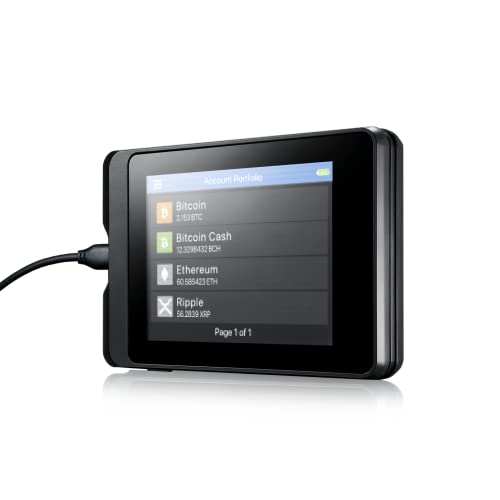
SecuX W10 Crypto-Asset Hardware Wallet - The Ideal Solution for Safely Storing Your Bitcoin, Ethereum, Ripple, Litecoin, Bitcoin Cash and More
SECURE - The SecuX hardware wallet has a complete suite of security features in place, from protected production...
As an affiliate, we earn on qualifying purchases.