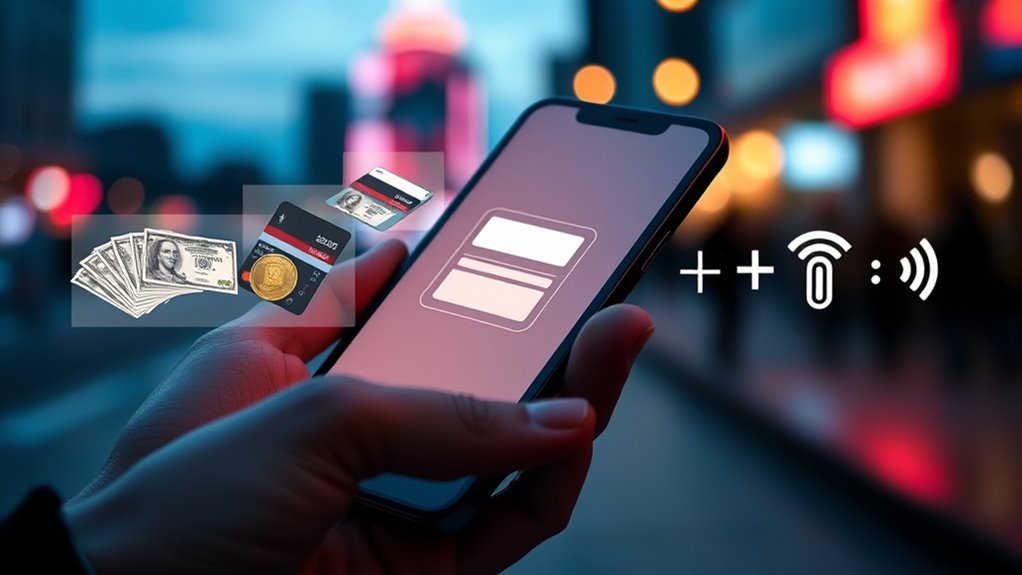

Digital wallets have transformed from simple mobile payment tools into all-encompassing financial hubs. They now support cryptocurrencies, allowing you to buy, sell, and manage digital assets easily. Advanced security features like biometrics and AI-driven protection make your transactions safer. These evolving wallets not only handle traditional finances but also connect you to decentralized assets and blockchain services. If you keep exploring, you’ll discover how these innovations continue to reshape your digital financial experience.
Key Takeaways
- Digital wallets have advanced from simple payment apps to comprehensive financial hubs supporting traditional and digital assets.
- Integration of cryptocurrencies allows direct management and seamless transfer of Bitcoin, Ethereum, and altcoins.
- Biometric security features like fingerprint and facial recognition enhance protection and ease of access.
- AI-driven security systems improve fraud detection and strengthen wallet safety measures.
- Modern digital wallets support decentralized assets and blockchain-based services, meeting evolving financial needs.
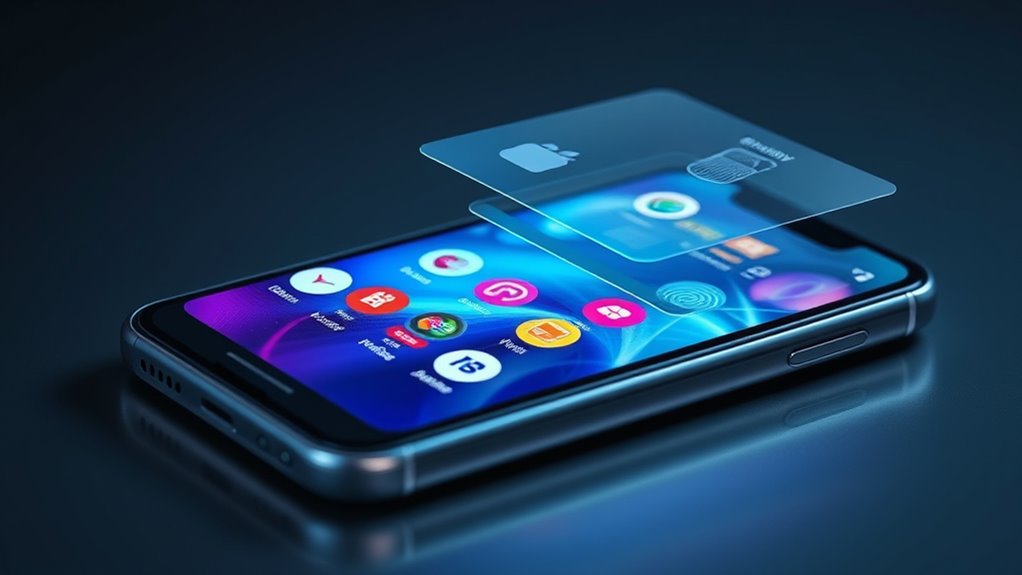
Digital wallets have transformed the way you manage and access your money, evolving rapidly from simple mobile payment apps to all-encompassing financial tools. Today, they do much more than just facilitate quick transactions; they integrate advanced technologies to enhance security, convenience, and functionality. One of the most significant developments in recent years is cryptocurrency integration. Now, your digital wallet can serve as a gateway to the world of digital currencies, allowing you to buy, sell, and hold cryptocurrencies alongside traditional funds. This integration simplifies the process, making it easier for you to diversify your assets without switching between multiple platforms. You can send or receive Bitcoin, Ethereum, or other altcoins directly through your wallet, often with just a few taps. This seamless blend of conventional and digital assets marks a major milestone in the wallet’s evolution, turning it into a versatile financial hub.
Alongside cryptocurrency capabilities, biometric security has become a cornerstone of digital wallet development. You’re now protected by fingerprint scans, facial recognition, or even iris scans, providing a level of security that’s both robust and user-friendly. These biometric measures ensure that only you can access your funds, reducing the risk of theft or unauthorized transactions. Unlike traditional PINs or passwords, biometric security offers a frictionless experience—unlocking your wallet feels instant, and you don’t have to remember complex codes. This focus on security doesn’t compromise convenience; it actually enhances it, as you can quickly authorize payments or transfers with a simple touch or glance. The combination of biometric security with encryption and multi-factor authentication creates a layered defense, making digital wallets safer than ever before. Additionally, AI Security advancements are being integrated into digital wallets to detect and prevent fraudulent activities more effectively, further bolstering their safety.
Furthermore, these features work together to support the evolving landscape of digital finance. Cryptocurrency integration means you’re not limited to fiat currencies—your wallet adapts to the new financial frontier, giving you access to decentralized assets and blockchain-based services. Meanwhile, biometric security reassures you that your investments and personal data remain protected, even as the wallet’s capabilities expand. Together, these innovations have transformed your digital wallet from a basic payment tool into a thoroughgoing financial platform that aligns with modern needs. As technology continues to advance, expect even deeper integration of cryptocurrencies and smarter security features, making your digital wallet more secure, versatile, and convenient than ever.
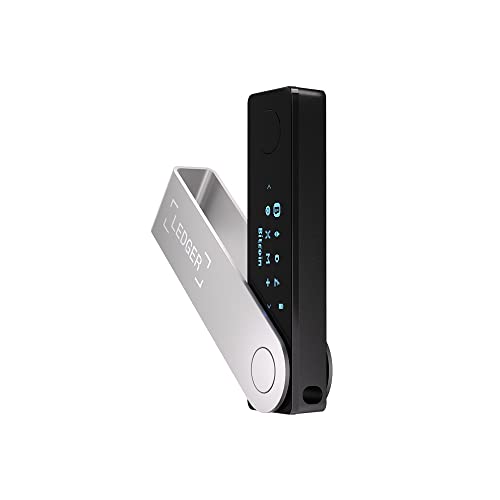
Ledger Nano X – Classic Crypto Wallet with Bluetooth
- All-in-One Crypto Management: Buy, sell, send, receive, swap, stake
- Supports 15,000+ Coins & Tokens: Manage a wide range of cryptocurrencies
- Market Monitoring & Alerts: Track performance and get timely updates
As an affiliate, we earn on qualifying purchases.
As an affiliate, we earn on qualifying purchases.
Frequently Asked Questions
How Do Digital Wallets Ensure Data Security?
Digital wallets guarantee your data stays secure through biometric authentication and encryption protocols. When you access your wallet, biometric methods like fingerprint or facial recognition verify your identity, adding an extra security layer. Meanwhile, encryption protocols protect your sensitive information during transactions, making it unreadable to unauthorized parties. These combined measures help keep your financial data safe from hackers and unauthorized access, giving you peace of mind every time you use your digital wallet.
Are Digital Wallets Accepted Worldwide?
Yes, digital wallets are accepted worldwide, making it easy for you to use them for cryptocurrency payments and loyalty programs across various countries. Many merchants and online platforms now support digital wallets, providing seamless transactions. You can enjoy the convenience of paying with your digital wallet almost anywhere, whether for everyday purchases or special rewards, as more businesses adopt this technology to cater to a global audience.
What Are the Costs Associated With Digital Wallet Transactions?
They say, “You get what you pay for,” and digital wallet transaction costs follow this rule. You might face transaction fees, especially for international transactions, and currency conversion charges if you’re dealing with different currencies. These costs can vary depending on your provider and transaction type. Always check your digital wallet’s fee schedule to avoid surprises, so you’re not caught off guard when making payments or transfers.
Can Digital Wallets Be Hacked or Compromised?
Yes, digital wallets can be hacked or compromised, but strong cybersecurity protocols and fraud prevention measures considerably reduce risks. You should always use secure passwords, enable two-factor authentication, and keep your app and device updated. Be cautious of phishing attempts and suspicious links. By staying vigilant and leveraging these protections, you can minimize the chances of your digital wallet being hacked or compromised.
How Do Digital Wallets Integrate With Traditional Banking Systems?
You can seamlessly integrate digital wallets with traditional banking systems through blockchain integration and user authentication. Banks often partner with digital wallet providers, enabling secure transactions via blockchain technology that guarantees transparency and security. User authentication, such as biometrics or passwords, verifies your identity, protecting your funds. This integration allows you to manage your bank account and digital wallet in one place, making transactions faster, safer, and more convenient.
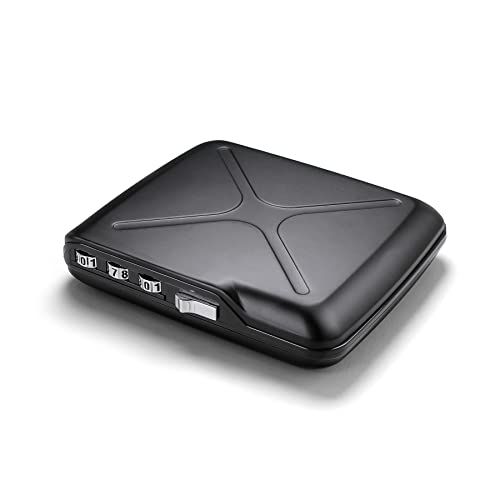
Aluminum Code Wallet, Combination Lock, RFID Blocking. Model: CODE WALLET
- Compact Aluminum Design: Pocket-sized, durable aluminum wallet
- Secure Code Lock: 1,000 anti-intrusion combinations
- RFID Blocking: Protects against electronic theft
As an affiliate, we earn on qualifying purchases.
As an affiliate, we earn on qualifying purchases.
Conclusion
As you hold your digital wallet, imagine it as a vibrant cityscape, bustling with seamless transactions and endless possibilities. With each tap and swipe, you’re painting a future where convenience and security blend into a smooth, glowing horizon. Embrace this evolution, knowing you’re steering a world where your financial life flows effortlessly, like a river guiding you forward. The journey continues, and your digital wallet is the key to revealing tomorrow’s endless horizons.
Aluminum Code Wallet, Combination Lock, RFID Blocking. Model: CODE WALLET
- Compact Aluminum Design: Pocket-sized, durable aluminum wallet
- Secure Code Lock: 1,000 anti-intrusion combinations
- RFID Blocking: Protects against electronic theft
As an affiliate, we earn on qualifying purchases.
As an affiliate, we earn on qualifying purchases.

Arculus® Crypto Cold Storage Wallet, Secure Bitcoin Wallet, Crypto Hardware Wallet for NFTs, Ethereum, Bitcoin, Cardano and Other Cryptocurrencies, 3-Factor Authentication Crypto Wallet, Silver
- Enhanced Security with 3-Factor Authentication: Biometric, PIN, and encrypted metal card
- Easy Crypto Transactions: Send, receive, and swap via mobile app
- Certified Secure Element Technology: CC EAL6+ encryption for key protection
As an affiliate, we earn on qualifying purchases.
As an affiliate, we earn on qualifying purchases.