
Ethereum’s next upgrade, focusing on Layer 2 solutions, aims to boost transaction speed and cut costs, which could shift market perception and investor interest away from Bitcoin. Improved scalability supports DeFi growth and makes Ethereum more attractive for decentralized apps. As a result, some funds might move from Bitcoin to Ethereum, affecting its market position. If you want to see how these changes could impact the crypto landscape further, keep exploring this evolving story.
Key Takeaways
- Ethereum’s upgrade aims to improve Layer 2 scalability, potentially shifting investor focus from Bitcoin to Ethereum-based solutions.
- Enhanced transaction efficiency on Ethereum may boost DeFi growth, influencing overall market dynamics and Bitcoin’s dominance.
- Successful integration of Layer 2 solutions could reinforce Ethereum’s position as a leading smart contract platform, affecting Bitcoin’s store-of-value appeal.
- If Ethereum’s upgrade faces challenges, Bitcoin may maintain its market share as a more stable, reliable asset.
- The upgrade’s impact on trading volumes and market sentiment could result in capital reallocation between Bitcoin and Ethereum.
Ethereum’s upcoming upgrade is poised to profoundly impact the cryptocurrency landscape, especially Bitcoin. As a user or investor, you’ll want to understand how this upgrade could shift market dynamics. One of the key features driving this change is Layer 2 scaling solutions. These solutions aim to enhance Ethereum’s transaction speed and reduce costs by processing transactions off the main chain, without sacrificing security. With improved Layer 2 scalability, Ethereum can handle a much higher volume of transactions, making it more practical for everyday use. This directly affects DeFi (Decentralized Finance), which relies heavily on fast, low-cost transactions to operate smoothly. As DeFi protocols become more efficient, you might see increased adoption, which could boost Ethereum’s value. This, in turn, creates a ripple effect on Bitcoin, as investors reassess the relative strengths of the leading cryptocurrencies.
You’ll notice that with better Layer 2 scaling, Ethereum is better positioned to support a broader range of decentralized applications. This is vital because DeFi has grown exponentially over the past few years, offering alternatives to traditional banking. The upgrade aims to make DeFi more accessible and user-friendly by lowering transaction fees and increasing throughput. For you, this means fewer frustrations when interacting with decentralized exchanges or lending platforms. The increased efficiency could also attract new users who previously hesitated due to high costs or slow confirmation times on the main chain. As Ethereum becomes more capable of handling DeFi integrations, its ecosystem might outpace Bitcoin’s primarily store-of-value perception, even as Bitcoin remains the dominant digital gold. Additionally, the success of Layer 2 solutions depends on the security and adoption of these technologies, which will influence their effectiveness and trust among users.
The upgrade’s success hinges on how well Layer 2 solutions are integrated and adopted. If Ethereum effectively implements these improvements, it could reinforce its position as a leading smart contract platform, drawing users who seek advanced DeFi features. This shift might cause some investors to diversify their holdings, moving funds from Bitcoin into Ethereum or other Layer 2-enabled projects. Conversely, if challenges arise or the upgrade underperforms, Bitcoin’s status as a stable store of value might become even more appealing. Ultimately, the upgrade will influence market sentiment, trading volumes, and the overall narrative of what cryptocurrencies can achieve. Whether you’re holding Bitcoin, Ethereum, or both, understanding these developments helps you anticipate market movements and make informed decisions amid the evolving crypto landscape.

Sidechain and Layer- 2 Scaling : Scaling Ethereum Networks with Sidechains and Layer-2 Solutions
As an affiliate, we earn on qualifying purchases.
As an affiliate, we earn on qualifying purchases.
Frequently Asked Questions
How Will the Upgrade Impact Ethereum’s Transaction Fees?
The upgrade will likely lower Ethereum’s transaction fees by improving scalability, which means more transactions can be processed efficiently. As a user, you’ll notice faster confirmation times and a smoother experience. These scalability improvements help reduce network congestion, making transactions cheaper and more accessible. Overall, this upgrade aims to enhance your user experience by making Ethereum more cost-effective and reliable for everyday use.
What Are the Security Risks Associated With the Upgrade?
You should be aware that the upgrade could introduce security risks like smart contract vulnerabilities, which hackers might exploit, and node synchronization issues that could cause network disruptions. These problems can compromise transaction integrity and network stability. To stay safe, keep your software updated, monitor official channels, and be cautious when interacting with new features or contracts during the changeover period.
Will the Upgrade Affect Ethereum’s Overall Network Stability?
You’ll be glad to know that Ethereum’s upgrade aims to enhance network stability by reducing smart contract vulnerabilities, which currently account for about 45% of security issues. The upgrade is designed to strengthen network decentralization, ensuring the system remains resilient. While minor hiccups could occur, overall, the upgrade should support Ethereum’s network stability, making it more secure and reliable for users and developers alike.
How Does the Upgrade Influence Ethereum’s Energy Consumption?
The upgrade markedly reduces Ethereum’s energy consumption, boosting eco-efficiency by shifting to proof-of-stake, which uses far less energy. This move also promotes renewable integration, as the network relies less on energy-intensive mining. You’ll notice a greener footprint and a more sustainable platform, aligning Ethereum with global efforts to lower carbon emissions. Overall, the upgrade makes Ethereum more environmentally friendly while maintaining its performance and security.
What Are the Long-Term Economic Implications for Bitcoin?
You’ll see Bitcoin’s long-term economic future shaped by its market capitalization and investor confidence. Just like a sturdy ship weathering storms, increased confidence and a growing market cap can lead to stability and expansion. If Ethereum’s upgrade boosts adoption and reduces energy concerns, it could strengthen Bitcoin’s position, encouraging more institutional investors. Over time, this may elevate Bitcoin’s value, solidifying its role as a digital gold and a resilient store of value.
DeFi transaction fee reduction tools
As an affiliate, we earn on qualifying purchases.
As an affiliate, we earn on qualifying purchases.
Conclusion
As Ethereum embarks on its exciting upgrade, you’ll witness waves of change ripple through Bitcoin and beyond. The dynamic dance of decentralization, development, and demand drives digital dominance forward. By staying savvy and strategic, you’ll seamlessly navigate these shifts, seizing opportunities amid the evolving ecosystem. Remember, as innovation ignites in Ethereum, it inevitably influences Bitcoin’s balance and buzz, blending breakthroughs with boldness. Embrace the evolution—your next move in this digital domain depends on it.
Ethereum smart contract development kits
As an affiliate, we earn on qualifying purchases.
As an affiliate, we earn on qualifying purchases.
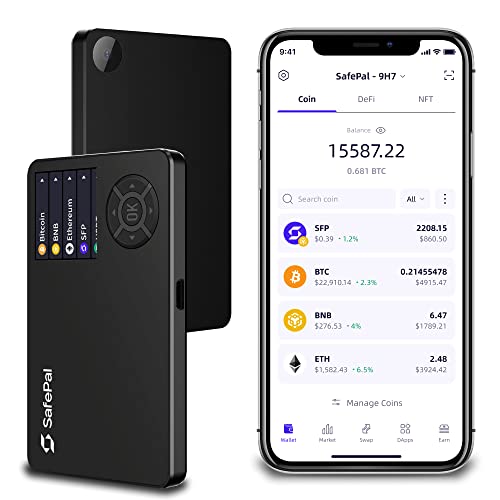
SafePal S1 Cryptocurrency Hardware Wallet, Open Source Crypto Wallet, Securely Stores Private Keys, Cold Storage for Bitcoin, Ethereum and More Tokens, NFTs, Seed Phrases & Crypto Assets
[100% off-line] SafePal S1 adopts an air-gapped signing mechanism, without any connection of Bluetooth, WiFi, NFC, or other…
As an affiliate, we earn on qualifying purchases.
As an affiliate, we earn on qualifying purchases.