
Layer-2 solutions are reshaping the crypto ecosystem by making transactions faster, cheaper, and more scalable. They move most transaction processing off the main blockchain, reducing congestion and costs while maintaining security through innovative methods like rollups and state channels. This enables smoother user experiences and practical everyday use of crypto assets. As these solutions evolve, they’re opening new doors for widespread adoption. Keep exploring how Layer-2 continues to transform the future of blockchain technology.
Key Takeaways
- Layer-2 solutions significantly increase transaction speed and reduce costs, enabling more practical daily use of blockchain networks.
- They alleviate scalability bottlenecks of main chains like Ethereum and Bitcoin, supporting higher transaction volumes.
- By offloading processing to secondary layers, Layer-2 solutions enhance user experience and facilitate mass adoption.
- Different types, such as rollups and state channels, offer varied security and performance trade-offs tailored to specific needs.
- Continuous innovations in Layer-2 tech are reshaping the crypto ecosystem by making blockchain more accessible, scalable, and secure.

Layer-2 solutions have become essential in the crypto world because they help address the scalability issues faced by main blockchain networks like Ethereum and Bitcoin. As these networks grow in popularity, they encounter increasing scalability challenges that slow down transactions and raise fees, making everyday use less practical. Layer-2 protocols work by moving most transaction processing off the main chain, or layer-1, onto secondary layers, which can handle transactions more efficiently. This approach substantially speeds up transaction times and lowers costs, enabling a smoother experience for users and supporting mass adoption. Additionally, blockchain scalability remains a critical focus for ongoing development efforts to support future growth.
However, adopting layer-2 solutions isn’t without its complexities. One key concern revolves around security trade-offs. Because these solutions process transactions off the main chain, they often rely on different security models. While some layer-2 options, like rollups, maintain strong security by anchoring to the main chain, others, such as state channels or sidechains, might introduce additional risks. You have to weigh these trade-offs carefully: faster and cheaper transactions might come at the expense of some security guarantees. This means that, as a user, you need to understand how much trust you’re placing in the layer-2 protocol and whether it has robust mechanisms to prevent fraud or malicious attacks.
Despite these concerns, many developers and users find layer-2 solutions attractive because they strike a practical balance between scalability and security. By handling most transactions off-chain and only settling final states on the main chain, they reduce the load on the base layer without entirely sacrificing security. For instance, rollups bundle multiple transactions into a single batch and submit a proof to the main chain, maintaining a high level of security while improving throughput. Meanwhile, solutions like state channels facilitate instant, low-cost transactions between trusted parties, which is ideal for specific use cases but might not suit all users due to trust assumptions.
Ultimately, the decision to use a layer-2 solution depends on your priorities. If you’re looking for faster, cheaper transactions for everyday use, these solutions offer a compelling answer to scalability challenges. But you should also consider the security trade-offs involved, especially if you’re dealing with large sums or sensitive assets. As the ecosystem evolves, developers continue to refine these solutions, aiming to minimize security risks while maximizing scalability benefits. This ongoing innovation is reshaping how you interact with cryptocurrencies, making blockchain technology more practical for daily transactions and broader applications.

ELLIPAL X Card – Air Gapped Crypto Cold Wallet with Starter Accessory Kit,Secure Offline Storage for Bitcoin, Ethereum,NFTs & 10,000+ tokens
ELLIPAL X-Card:The ELLIPAL X-Card is a cold wallet utilizing air-gapped technology to generate your seed phrase. Featuring a...
As an affiliate, we earn on qualifying purchases.
Frequently Asked Questions
How Do Layer-2 Solutions Impact Overall Blockchain Security?
Layer-2 solutions can improve your blockchain experience by reducing transaction fees and speeds, but they also introduce security risks and decentralization trade-offs. Since they rely on the main chain for security, any vulnerabilities there could affect your assets. Additionally, some layer-2 protocols may compromise decentralization to enhance performance, so you should weigh these factors carefully before using them. Staying informed helps you manage potential risks effectively.
Can Layer-2 Solutions Be Integrated With Existing Blockchain Protocols Easily?
You can integrate layer-2 solutions with existing blockchain protocols, but you’ll face interoperability challenges and user experience hurdles. Ensuring seamless compatibility requires technical adjustments, which might involve complex bridging mechanisms or protocol updates. While integration is feasible, it often demands careful planning to minimize friction for users. By understanding these hurdles, you can better navigate the process and enhance the overall functionality of your blockchain ecosystem.
What Are the Main Challenges Facing Layer-2 Adoption?
You’re facing a mountain of challenges with Layer-2 adoption, and it’s no wonder! User adoption stalls because many still don’t fully trust or understand these solutions, while regulatory hurdles loom large, threatening to slow progress. Overcoming these barriers requires clear communication and supportive policies. Until then, the crypto community will wrestle with these hurdles, but with persistence, Layer-2 can open unimaginable potential and truly transform the ecosystem.
How Do Layer-2 Solutions Influence Transaction Privacy?
Layer-2 solutions boost transaction privacy by leveraging zk SNARKs, which enable transaction obfuscation without revealing sensitive details. When you use these solutions, your transaction data stays hidden while still being verified on the blockchain. This means you can enjoy increased privacy and security, making your transactions less traceable and more confidential. By adopting layer-2 tech, you help protect your financial information from prying eyes and enhance overall ecosystem privacy.
Are Layer-2 Solutions Scalable for Enterprise-Level Applications?
Layer-2 solutions are highly scalable for enterprise-level applications, enabling you to handle increased transaction volumes efficiently. They improve Layer 2 scalability by reducing congestion on the main blockchain, making enterprise integration smoother. You’ll find that these solutions offer faster transaction speeds and lower costs, which are essential for large-scale deployments. Overall, Layer-2 scalability makes it feasible for your enterprise to adopt blockchain technology without compromising performance or security.

Trezor Safe 3 - Passphrase & Secure Element Protected Crypto Hardware Wallet - Buy, Store, Manage Digital Assets Simply and Safely (Solar Gold)
Unparalleled Security: Protect your assets NDA-free EAL 6+ Secure Element, offering robust defense and complete transparency
As an affiliate, we earn on qualifying purchases.
Conclusion
Layer-2 solutions are the keys opening a faster, more scalable crypto future. They act as bridges over turbulent waters, guiding you smoothly past congestion and high fees. As the backbone supporting blockchain’s evolution, they’re the silent architects of change, turning the once-impossible into reality. Embrace these solutions like a sturdy ladder—each rung lifting you closer to endless possibilities. Together, you’re building a resilient, vibrant ecosystem where innovation can truly thrive.
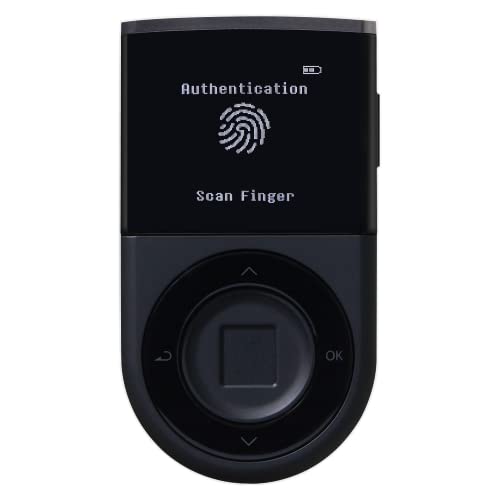
D'CENT Hardware Wallet – Biometric Cold Wallet for Crypto with Fingerprint Authentication | Secure Bluetooth Storage for Bitcoin, Ethereum, XRP, XDC, Solana, Stablecoins & More
EAL5+ CERTIFIED SECURE ELEMENT + FINGERPRINT PROTECTION — Your private keys stay encrypted offline on a certified EAL5+...
As an affiliate, we earn on qualifying purchases.

TANGEM Crypto Wallet Pack of 2 – Trusted Cold Storage Hardware Wallet for Bitcoin, Ethereum, NFTs & Altcoins – 100% Offline Crypto Cold Wallet
Proven security at scale: Over 9 years and millions of cards issued with no known remote hacks, while...
As an affiliate, we earn on qualifying purchases.