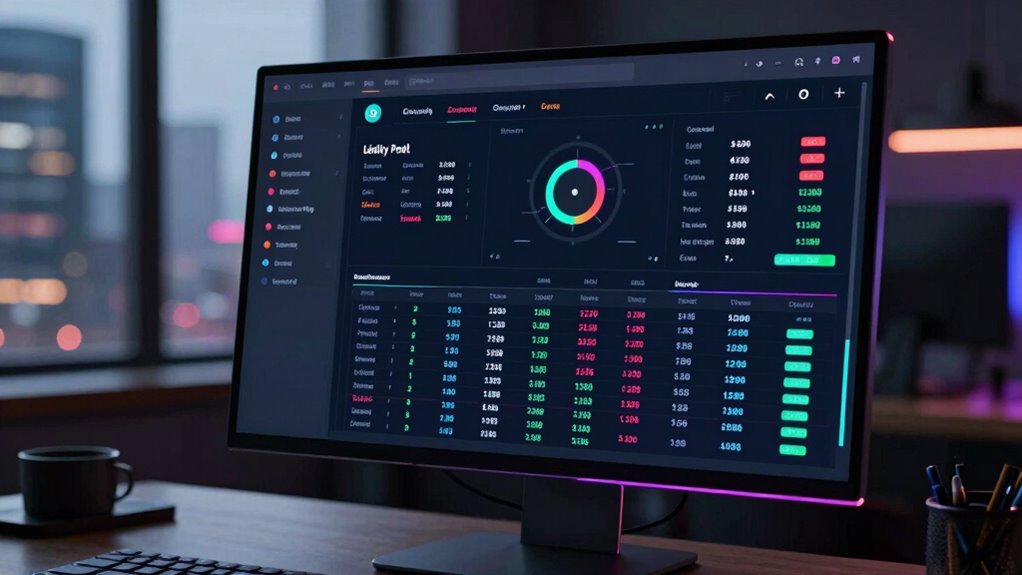

Your success with a perpetual DEX depends more on its key design choices than marketing hype. How the liquidity pools are structured, how risks are managed, and how the system handles market volatility directly affect platform stability and your trades’ efficiency. Poor design can lead to failures during market stress, regardless of marketing claims. If you’re curious about the core factors that truly determine a DEX’s robustness, the details ahead will clarify why they matter most.

Get hardware and tech essentials delivered free with Prime
- Fast, free delivery on millions of items
- Prime Video, Amazon Music and more included
- Member-only deals all year
Key Takeaways
- Effective pool structures and risk management are crucial for platform stability, beyond just marketing claims.
- Poor design choices can lead to increased slippage and liquidity fragmentation, harming user experience.
- Resilient architectures prevent systemic failures during market volatility, ensuring long-term success.
- Incentive mechanisms must align with risk mitigation to attract and retain liquidity providers.
- Design decisions directly impact a platform’s ability to withstand market shocks, more than superficial marketing messages.
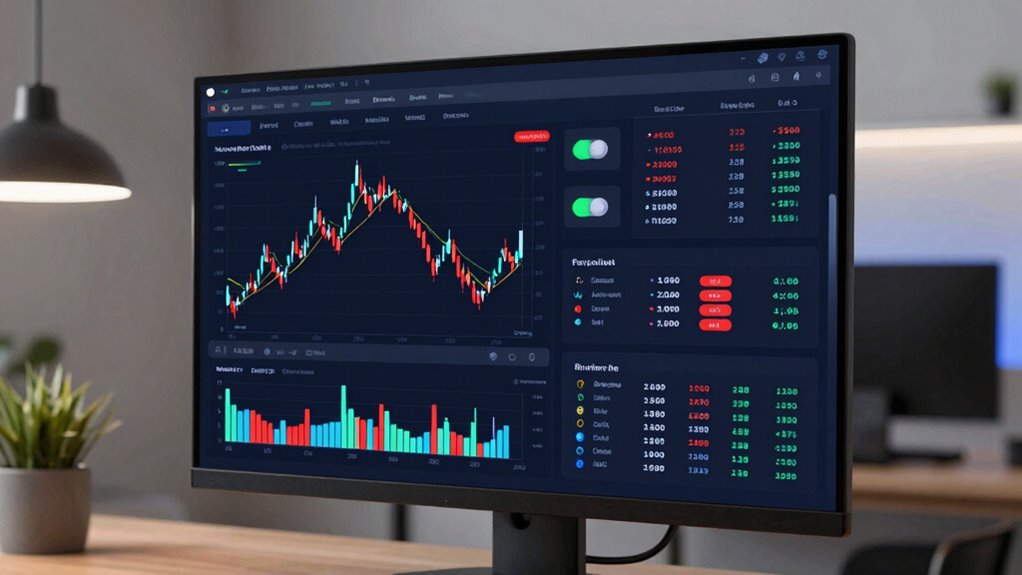
Have you ever wondered how decentralized exchanges (DEXs) manage to offer perpetual trading without relying on traditional intermediaries? It all comes down to the design choices made behind the scenes, particularly around liquidity pooling and risk management. Unlike centralized platforms that use order books and market makers, DEXs depend on liquidity pools—smart contracts filled with funds from users—to facilitate trades. These pools allow anyone to deposit assets and become a liquidity provider, enabling continuous trading without a central authority. But the way these pools are structured can greatly influence the platform’s efficiency, stability, and ability to offer perpetual contracts.
Decentralized exchanges rely on liquidity pools and smart contracts to enable perpetual trading without intermediaries.
Liquidity pooling isn’t just about providing enough funds; it’s also about how the pools are balanced and incentivized. Well-designed pools attract traders by offering competitive prices and minimal slippage, but they also pose challenges related to risk management. For example, if a trader’s position moves significantly against the pool’s assets, the platform must have mechanisms in place to prevent catastrophic losses. This can involve collateral requirements, liquidation protocols, or dynamic margin adjustments. Effective risk management ensures that the pools remain solvent and that traders’ funds stay protected, even during volatile market swings. Additionally, the architecture of the DEX plays a crucial role in how liquidity pools are managed, ensuring the system can adapt to changing market conditions and prevent systemic failures. Properly designed pools can also help mitigate liquidity fragmentation, which can weaken the platform’s overall stability. Furthermore, the way these pools are structured can influence market efficiency, impacting how quickly and accurately prices reflect current market conditions. A thoughtful approach to liquidity management can make a significant difference in the long-term success of the platform. When liquidity pools are optimized through robust design choices, they can better withstand market shocks and foster a healthier trading environment. Ultimately, the success of a perpetual DEX hinges not just on marketing claims but on these fundamental design choices—how liquidity is pooled and how risks are managed. Without careful attention to these elements, the platform might promise much but falter when real market pressures hit.
decentralized exchange liquidity pool
As an affiliate, we earn on qualifying purchases.
As an affiliate, we earn on qualifying purchases.
Frequently Asked Questions
How Do Liquidity Pool Structures Impact Perpetual DEX Performance?
Liquidity pool structures directly impact your DEX’s performance by influencing liquidity incentives and pool composition. Well-designed pools attract more traders through better incentives, reducing slippage and increasing trading volume. The composition determines how balanced and stable your pools are, affecting your platform’s efficiency. When you optimize these structures, you create a more liquid, resilient environment that enhances user experience and boosts overall trading activity.
What Are the Risks Associated With Different Margin and Leverage Options?
Like walking a tightrope, choosing high leverage can lead to quick gains but risks a dangerous fall. You face risks with different margin and leverage options—liquidity incentives can tempt you to take bigger positions, but leverage constraints protect you from catastrophic losses. Be aware that higher leverage amplifies both gains and losses, making your trading more volatile. Carefully balance these factors to avoid unexpected collapses.
How Does Order Matching Differ in Various Perpetual DEX Architectures?
You’ll notice that order matching differs across perpetual DEX architectures. In order book models, matching relies on a centralized or decentralized order book, which facilitates efficient price discovery through visible bids and asks. Conversely, AMM-based systems use liquidity pools for instant trades, relying less on order books. These variations impact how quickly trades execute and how accurately prices reflect market conditions, making design choices vital for effective price discovery.
What Security Measures Are Essential for Perpetual DEXS?
You need smart contracts that are secure, transparent, and thoroughly audited, ensuring they can’t be exploited. Implement strong user authentication to verify identities and prevent unauthorized access. Regularly update and patch your smart contracts, monitor for vulnerabilities, and establish multisignature wallets for critical operations. These security measures work together to protect your perpetual DEX from hacks, fraud, and malicious attacks, keeping user assets safe and maintaining trust in your platform.
How Do Fee Models Influence Trader Behavior and Platform Sustainability?
Fee models shape your trading behavior and impact platform sustainability by aligning market incentives and influencing user psychology. For example, low or tiered fees encourage more frequent trading, boosting liquidity and platform health. Conversely, high fees might deter activity, risking reduced liquidity. Understanding these dynamics helps you decide whether to prioritize fee structures that promote active trading or long-term stability, ultimately shaping the platform’s success and your trading experience.
perpetual trading smart contract
As an affiliate, we earn on qualifying purchases.
As an affiliate, we earn on qualifying purchases.
Conclusion
In the end, your choices in designing a perpetual DEX aren’t just technical tweaks—they’re the heartbeat of its success. Like a master chef seasoning a dish, every detail influences user trust, liquidity, and sustainability. Don’t let flashy marketing pages distract you; focus on the core. Remember, it’s the unseen decisions that truly shape the future of decentralized trading. So, are you ready to craft a platform that stands the test of time?
As an affiliate, we earn on qualifying purchases.
liquidity provider staking platform
As an affiliate, we earn on qualifying purchases.
As an affiliate, we earn on qualifying purchases.
Halloween Picks
halloween
As an affiliate, we earn on qualifying purchases.