
Quantum-resistant algorithms are designed to protect your digital assets from future quantum attacks by replacing vulnerable methods like RSA and ECC with more secure, mathematically sound solutions. These algorithms can withstand the power of quantum computers, which threaten current encryption systems. As vulnerabilities are identified, researchers develop and test new schemes to guarantee security. By adopting these resilient algorithms, you can better safeguard your data today and in the quantum future—so explore further to understand how this innovation can truly secure your crypto.
Key Takeaways
- Quantum-resistant algorithms use mathematical structures that are difficult for quantum computers to solve, enhancing cryptographic security.
- They replace vulnerable schemes like RSA and ECC with post-quantum alternatives such as lattice-based or code-based cryptography.
- Rigorous testing and cryptanalysis ensure these algorithms can withstand potential quantum attacks.
- Their adoption ensures the continued confidentiality and integrity of digital communications amid advancing quantum capabilities.
- Transitioning to quantum-resistant algorithms future-proofs cryptographic systems against emerging quantum threats.

Have you ever wondered how future advancements in quantum computing could threaten the security of your digital assets? As quantum technology progresses, traditional cryptographic systems face a real risk of becoming obsolete. This is where post-quantum cryptography comes into play, aiming to develop algorithms that can withstand the power of quantum computers. Current encryption methods, like RSA and ECC, rely heavily on the difficulty of factoring large numbers or solving discrete logarithms. Quantum algorithms, such as Shor’s algorithm, threaten to break these defenses by efficiently solving these problems, exposing your sensitive data to potential breaches. Recognizing these risks pushes researchers to innovate new cryptographic techniques that remain secure even in a quantum world.
Quantum computing threatens traditional cryptography, prompting the development of post-quantum algorithms to protect digital assets against future threats.
However, it’s important to understand that not all post-quantum algorithms are immune to vulnerabilities. Algorithm vulnerabilities can still exist if the new cryptographic schemes are poorly designed or inadequately tested. Some algorithms might have unforeseen weaknesses that quantum attacks could exploit, just like classical algorithms have vulnerabilities that have been discovered over time. Developers and security experts must rigorously analyze these algorithms, scrutinizing their mathematical foundations and resistance to various attack vectors. The shift to quantum-resistant algorithms isn’t just about replacing old systems; it’s about ensuring the new ones are resilient and trustworthy. This process involves extensive peer review, cryptanalysis, and real-world testing to identify any potential flaws before deployment.
Moreover, implementing post-quantum cryptography presents practical challenges. These algorithms often require larger key sizes and more computational power, which can impact performance and scalability. This means you need to balance security needs with practical considerations, especially for systems with limited resources or real-time constraints. Governments, financial institutions, and technology companies are already investing heavily in research to optimize these algorithms, aiming for solutions that are both secure and efficient. The goal is to create cryptographic standards that can be seamlessly integrated into existing infrastructure without compromising speed or user experience.
Additionally, the integration of quantum-resistant algorithms with existing security protocols will be crucial for a smooth transition. This ensures that new systems remain compatible with current infrastructure while providing enhanced security against future threats. The move toward quantum-resistant algorithms is essential for safeguarding your digital assets against future threats. By understanding the importance of post-quantum cryptography and remaining vigilant against algorithm vulnerabilities, you can better prepare for a secure digital future. As the landscape evolves, continuous development and testing of these algorithms will be crucial for ensuring that your data remains protected, no matter how powerful quantum computers become. Staying informed and supporting proactive security measures will help you navigate the transition confidently and maintain trust in your digital security systems.
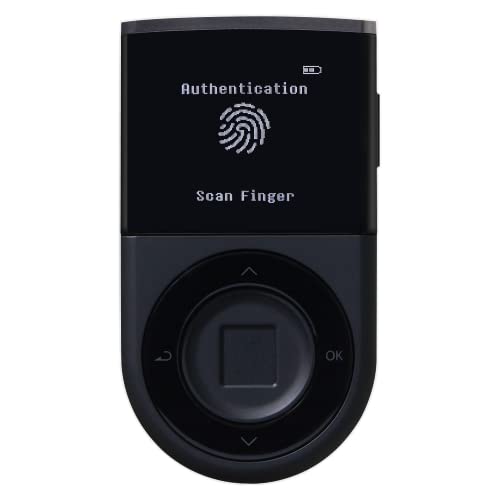
D'CENT Hardware Wallet – Biometric Cold Wallet for Crypto with Fingerprint Authentication | Secure Bluetooth Storage for Bitcoin, Ethereum, XRP, XDC, Solana, Stablecoins & More
UNMATCHED SECURITY WITH BIOMETRIC PROTECTION - Protect your crypto with certified EAL5+ Secure Element chip and advanced fingerprint...
As an affiliate, we earn on qualifying purchases.
Frequently Asked Questions
How Soon Could Quantum Computers Break Current Cryptography?
Quantum computers could break current cryptography within the next decade, posing a significant quantum threat. You need to stay aware of cryptography resilience, as classical encryption methods may become vulnerable once quantum technology advances. Preparing for this shift involves adopting quantum-resistant algorithms now, ensuring your data remains secure. The sooner you act, the better you’ll protect sensitive information from potential quantum attacks in the near future.
What Are the Main Challenges in Developing Quantum-Resistant Algorithms?
You face challenges like ensuring post-quantum cryptography algorithms are secure against future quantum attacks, which requires extensive research and testing. Algorithm agility is vital, so systems can adapt quickly to new, stronger algorithms without disrupting operations. Developing efficient, standardized post-quantum cryptography that balances security and performance remains tough, but focusing on flexible, upgradable solutions helps you stay ahead of potential quantum threats.
Are Quantum-Resistant Algorithms Compatible With Existing Blockchain Systems?
Quantum-resistant algorithms can be integrated into existing blockchain systems, but you’ll need to focus on cryptography integration and blockchain adaptation. While some algorithms are compatible, others may require significant modifications to guarantee security and performance. You should carefully evaluate the specific cryptography protocols used and plan for seamless blockchain adaptation, so the shift to quantum-resistant security measures remains smooth without compromising decentralization or efficiency.
How Much Will Transitioning to Quantum-Resistant Algorithms Cost?
The cost of shifting to quantum-resistant algorithms varies more than you’d expect. A thorough cost analysis reveals significant expenses, especially for large-scale systems, but strategic implementation strategies can reduce these costs. You’ll need to take into account infrastructure upgrades, software updates, and potential downtime. While the initial investment might seem intimidating, failing to act risks future security breaches. Careful planning now can save you from costly vulnerabilities later.
Can Quantum-Resistant Algorithms Be Implemented Without Compromising Performance?
Yes, quantum-resistant algorithms can be implemented without compromising performance if you optimize algorithm efficiency and hardware integration. You’ll want to select algorithms designed for speed and low resource use, ensuring they work well with your existing hardware. By carefully balancing security needs with system capabilities, you can seamlessly adopt quantum-resistant solutions without sacrificing performance, keeping your crypto assets protected while maintaining operational effectiveness.

SecuX W20 Crypto Wallet with Intuitive Touchscreen, Hardware Wallet with Bluetooth, Easy to Manage Bitcoin, Ethereum, NFTs, Tokens, and Cryptocurrency with Military-Grade Security Features
Ultimate Security: Certified CC EAL5+. Infineon Solid Flash CC EAL5+ Secure Element (SE) chip embedded
As an affiliate, we earn on qualifying purchases.
Conclusion
As you embrace the future of crypto, remember that quantum-resistant algorithms are your shield against tomorrow’s threats. With the wisdom of the ancients guiding your steps, you can stay secure in this digital age—much like knights guarding their castles from unseen foes. By adopting these cutting-edge solutions now, you guarantee your assets remain safe, even in a world where quantum computers might someday wield the power to crack today’s encryption. Stay vigilant, stay protected.

ELLIPAL Titan 2.0 Crypto Cold Wallet, 100% Offline, Air-gapped - Secure Wallet for 10000+ Coins & Tokens & NFTs
【Ultimate Protection with Air-Gapped & Fully Internet Isolated Design】 ELLIPAL Titan 2.0 uses air-gapped tech for unmatched security...
As an affiliate, we earn on qualifying purchases.

Trezor Safe 7 - Crypto Hardware Wallet with Bluetooth, Color Touchscreen, Transparent Secure Element, Quantum-Ready (Charcoal Black)
Dual-chip architecture for maximum protection: The next-gen, fully auditable TROPIC01 chip works alongside a certified EAL6+ Secure Element—completely...
As an affiliate, we earn on qualifying purchases.