Token burn mechanisms reduce the circulating supply of tokens, which can create a sense of scarcity and drive demand. As tokens are intentionally destroyed, market perception often becomes more positive, potentially leading to price increases and attracting new investors. When executed transparently and strategically, burns can promote market stability and long-term growth. Understanding how these mechanisms influence market effects helps you grasp a key tool in shaping token value—explore further to learn more.
Key Takeaways
- Token burns reduce circulating supply, potentially increasing scarcity and boosting token value.
- Systematic burns can create upward price pressure and attract new investors.
- Transparent burn activities improve market confidence and demonstrate project commitment.
- Burn mechanisms influence supply-demand dynamics, supporting price stability over time.
- Strategic burns serve as a tool to control inflation, reinforce token value, and foster sustainable growth.
Have you ever wondered how some cryptocurrencies aim to increase their value over time? One key method involves token burn mechanisms, which are designed to reduce the total supply of tokens, creating deflationary strategies that can enhance scarcity. By intentionally removing tokens from circulation, developers aim to influence market dynamics and bolster token value. These supply reduction tactics are often implemented through systematic burn frequency, where tokens are burned at regular intervals, or based on specific thresholds, known as burn thresholds. This controlled approach helps maintain a predictable supply contraction, which can positively impact price stability and market sentiment.
Token burn strategies reduce supply, boost scarcity, and stabilize prices for sustainable growth.
When tokens are burned, their scarcity increases, as fewer tokens remain available for trading or investment. This scarcity can drive demand, especially if the community perceives the token as becoming more valuable over time. The effectiveness of a burn depends heavily on tokenomics design, which involves carefully balancing the supply, demand, and incentive structures to guarantee sustainable growth. Community incentives often play a vital role here: by involving token holders in decision-making or rewarding participation, developers foster a sense of ownership and encourage engagement, which can further support the burn mechanism’s success.
Market effects of token burns tend to be positive, especially when the burns are transparent and well-communicated. Reduced circulating supply can lead to upward price pressure, attracting new investors and increasing trading volume. However, it’s vital to consider the broader market sentiment; if the community views burns as a sign of confidence and long-term commitment, the effects are usually more pronounced. Conversely, if burns are perceived as a desperate measure or manipulation, they might not yield the desired confidence boost.
Implementing regular token burns demonstrates a commitment to inflation control, preventing excessive token supply that could dilute value. This approach aligns with the broader goal of maintaining price stability and fostering trust among investors. Ultimately, token burn mechanisms serve as a strategic tool within a broader tokenomics framework, helping to manage supply, incentivize community participation, and influence market perception. When executed thoughtfully, they can be a powerful way to reinforce a token’s value proposition and support sustainable growth in the competitive cryptocurrency landscape.

Neatbuddy 12Pcs Bitcoin Coin with Protective Case(Gold)
- Pack Size: Includes 12 gold Bitcoin coins
- Protective Case: Each coin in a clear protective case
- Material: Made from sturdy zinc with gold plating
As an affiliate, we earn on qualifying purchases.
As an affiliate, we earn on qualifying purchases.
Frequently Asked Questions
How Do Token Burns Impact Long-Term Token Scarcity?
Token burns directly impact long-term token scarcity by reducing the total supply, leading to token deflation. As you observe these burns, scarcity increases because fewer tokens are available in circulation. This mechanism encourages holding, potentially boosting value over time. By decreasing supply, you help create a more limited, valuable asset, which can positively influence market confidence and promote long-term growth of the token’s ecosystem.
Are Token Burns Always Beneficial for Investors?
Oh, absolutely, token burns are the magic bullet for investor happiness! They curb token inflation and boost scarcity, making you feel like a genius for holding. But don’t forget, investor psychology can turn sour if burns are poorly timed or misunderstood. Sometimes, burns actually signal trouble or manipulation, so it’s not always a win. Be cautious—token burns aren’t a guaranteed shortcut to riches.
Can Rapid Token Burns Cause Market Instability?
Rapid token burns can indeed cause market instability. You might see increased speculative volatility as traders react to sudden supply reductions, which can be exploited through market manipulation. This rapid decrease in token supply often leads to unpredictable price swings, making it harder for investors like you to assess true value. Instead of stabilizing, such aggressive burns can heighten uncertainty and risk, potentially harming long-term confidence in the market.
What Are the Legal Considerations of Implementing Token Burns?
You need to take into account regulatory compliance and legal liabilities when implementing token burns. Laws vary by jurisdiction, so you must ensure your process aligns with financial regulations, anti-fraud laws, and securities rules. Failing to do so could expose you to legal actions or penalties. To avoid issues, consult legal experts, document your procedures thoroughly, and stay updated on evolving regulations related to token management and blockchain activities.
How Do Token Burns Differ Across Various Blockchain Platforms?
You notice how token burns differ across platforms through smart contract protocols, cross-chain burns, and network rules. On Ethereum, burns happen via smart contracts controlling supply, while Binance Smart Chain uses similar protocols but with different fee structures. Cross-chain burns involve coordinated actions between blockchains, requiring unique mechanisms. These variations reflect each platform’s design, security, and community standards, shaping how token scarcity is managed and perceived across diverse blockchain ecosystems.
As an affiliate, we earn on qualifying purchases.
Conclusion
By now, you see how token burn mechanisms can influence market dynamics. Did you know that Ethereum burned over 1.5 million ETH in a single year after implementing EIP-1559? This reduction in supply can drive prices up and introduce scarcity. As you navigate the crypto space, understanding these mechanisms helps you make smarter decisions. Keep an eye on burn events—they could be the key to future market shifts and opportunities.
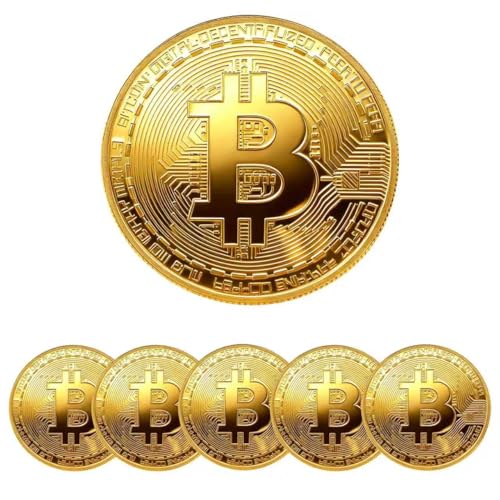
6PCS Gold Plated Bitcoin Coins – Physical BTC Cryptocurrency Collectible, 40mm Commemorative Souvenir Coins with Clear Protective Case, Gifts for Crypto Enthusiasts & Coin Collectors
- Gold-Plated Bitcoin Coin: Durable and eye-catching collectible
- Commemorative Souvenir: Perfect for collectors and enthusiasts
- Protective Acrylic Case: Keeps coin scratch-free and dust-proof
As an affiliate, we earn on qualifying purchases.
As an affiliate, we earn on qualifying purchases.

Crypto; How to Decrease Volatility
As an affiliate, we earn on qualifying purchases.
As an affiliate, we earn on qualifying purchases.