

You’ll see that developer incentives on alt-L1s are growing more competitive and costly as networks offer larger grants, liquidity pools, and token rewards to attract builders. These incentives aim to foster innovative, scalable applications and improve ecosystem growth. As costs rise, networks focus on interoperability and reducing transaction fees to stay competitive. To understand how this evolving landscape could impact your projects, keep exploring this dynamic environment.
Key Takeaways
- Alt-L1s are increasing funding through multi-million dollar grants and rewards to attract and retain developers.
- Rising development costs are driven by larger incentive programs and the need for ecosystem expansion.
- Competition among chains offers unique perks, lower fees, and better scalability to appeal to developers.
- Emphasis on interoperability enhances cross-chain integration, making ecosystems more attractive to developers.
- Long-term sustainability depends on balancing high incentives with scalable, cost-effective blockchain solutions.

As the blockchain ecosystem diversifies beyond Ethereum, alt-L1s (alternative layer-one blockchains) are vying to attract developers by offering compelling incentives. These networks realize that to grow their user base and foster widespread cryptocurrency adoption, they need to stand out through innovative developer programs and economic rewards. The competition is fierce, and so are the costs. You’ll notice that many alt-L1s are increasingly investing large sums into grants, liquidity pools, and token rewards to lure developers who can build scalable, efficient applications. These incentives aim to address blockchain scalability issues while simultaneously boosting the projects that run on these chains.
Alt-L1s are competing fiercely with large grants and rewards to attract developers and boost scalability solutions.
You might find that the cost of developing on these networks is climbing as they ramp up their incentive programs. Initially, some alt-L1s attracted developers with modest grants and a few free tokens. Now, they’re offering substantial funding packages, sometimes in the millions, to accelerate ecosystem growth. This trend reflects a broader understanding: for these chains to succeed, they need vibrant developer communities that can build innovative dApps, DeFi protocols, and NFT platforms. As more developers join, they help improve blockchain scalability by optimizing network performance and reducing transaction fees, making these chains more attractive to users. Additionally, many of these alt-L1s are emphasizing interoperability to enable seamless cross-chain interactions, which is increasingly vital for ecosystem expansion.
This increased competition means that developers like you are now faced with choosing between multiple alt-L1 options, each with its own perks and financial incentives. Many of these chains are also focusing on interoperability and cross-chain compatibility, creating a more integrated ecosystem that benefits developers and end-users alike. The emphasis on scalability solutions is crucial because it directly impacts transaction speed and network reliability, which are key concerns for both developers and users. The goal is to create seamless experiences where applications can interact across different blockchains, further fueling cryptocurrency adoption. As these networks invest heavily in attracting development talent, they’re also creating environments where innovation can thrive, leading to faster, more scalable solutions that address common blockchain bottlenecks.
However, the rising costs associated with these incentives can be a double-edged sword. While they stimulate rapid ecosystem growth, they also increase the financial risk for the networks if projects don’t deliver. Still, this competitive landscape pushes alt-L1s to continuously refine their offerings—whether through better scalability solutions, lower transaction fees, or more attractive developer rewards. Ultimately, if you’re a developer, the landscape is becoming more dynamic and lucrative, but you’ll need to evaluate which chains provide the best balance of incentives, scalability, and long-term viability. The ongoing race among alt-L1s ensures that developer incentives will keep getting more competitive—and more expensive—until the ecosystem stabilizes with sustainable, scalable projects that benefit everyone involved.

Blockchain Tethered AI: Trackable, Traceable Artificial Intelligence and Machine Learning
As an affiliate, we earn on qualifying purchases.
As an affiliate, we earn on qualifying purchases.
Frequently Asked Questions
How Do Incentive Programs Impact Long-Term Network Security?
Incentive programs boost long-term network security by encouraging developer activity and user participation. Through a thorough tokenomics analysis, you guarantee these incentives align with network goals, fostering sustainable growth. However, you must also focus on incentive sustainability, so rewards don’t become overly expensive or unstable. This balance helps maintain a secure, resilient network over time, preventing vulnerabilities caused by short-term incentive spikes or dwindling support.
What Are the Risks of Increased Developer Competition?
You risk innovation fatigue and market saturation as competition intensifies among alt-L1 developers. This can lead to overspending on incentives, diluting project quality, and confusing users with too many options. As everyone races to attract developers, the focus may shift from meaningful innovation to short-term gains. Ultimately, this environment might stifle sustainable growth, making it harder for promising projects to stand out and thrive long-term.
How Do Incentives Influence User Adoption on Alt-L1s?
Incentives act as a magnet, pulling users toward alt-L1s by lowering adoption barriers and igniting developer motivation. When incentives shine brightly, they make onboarding feel like a smooth sail rather than a turbulent storm. As developers build compelling apps, users follow, drawn in by the promise of innovation and better experiences. Strong incentives turn the complex journey into an inviting pathway, transforming hesitant explorers into loyal adventurers.
Are There Standard Metrics to Compare Incentive Effectiveness?
Yes, you can compare incentive effectiveness using standard metrics like user growth, transaction volume, and retention rates. Reward mechanisms are designed to boost these metrics, and analyzing changes helps you gauge success. Incentive metrics like cost per new user or transaction value provide clear insights. By tracking these, you’ll see how well your incentives motivate user engagement and help you optimize your strategies for better adoption.
How Sustainable Are These Expensive Incentive Strategies?
Imagine a new alt-L1 launching heavy token rewards, but after a year, developers show signs of incentive fatigue. Tokenomics analysis reveals these costly incentives aren’t sustainable long-term, risking project stability. You should consider balancing incentives with organic growth strategies. Over time, overly expensive incentives can lead to diminishing returns, making the strategy less sustainable. To maintain momentum, diversify incentives and focus on building a strong ecosystem beyond just token rewards.

Building Blockchain DApps with Polkadot and Substrate: A Practical Guide to Developing Cross-Chain Decentralized Applications with Interoperability and Custom Blockchain Development Using Substrate
As an affiliate, we earn on qualifying purchases.
As an affiliate, we earn on qualifying purchases.
Conclusion
As the race for developer attention heats up on alt-L1s, it’s clear that incentives are becoming more fierce and costly. You’re caught in a whirlwind where staying ahead means investing more than ever. Like a high-stakes chess game, every move counts—if you blink, you might miss your chance to dominate. Keep your eyes sharp and your strategy flexible; the future of blockchain innovation depends on it.

Scalability Solutions: Layer 2 Protocols and Beyond (Blockchain Unlocked: Exploring the Future of Decentralized Technology Book 14)
As an affiliate, we earn on qualifying purchases.
As an affiliate, we earn on qualifying purchases.
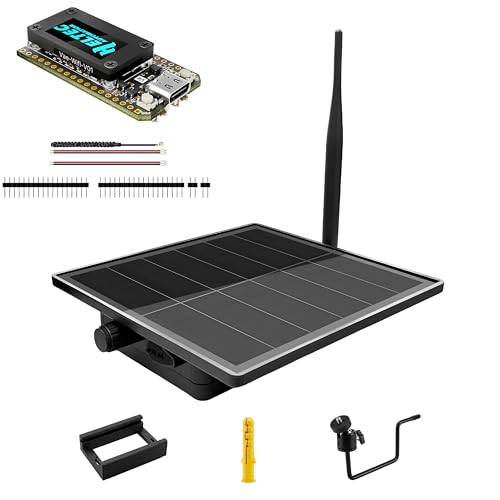
MESHYEAOFAH Meshtastic LoRa V4 Development Board and 5W Solar Kit Bundle, Off-Grid Solar-Powered Outdoor Repeater Node, ESP32-S3 + SX1262 28dBm Radio, IP67 Waterproof Enclosure & 4 Battery Slots
- Complete Off-Grid Repeater Kit: All-in-one mesh network solution
- High-Performance LoRa V4 Hardware: ESP32-S3R2 MCU with SX1262 chip
- Long-Range Transmission Power: Up to 28 dBm transmit power
As an affiliate, we earn on qualifying purchases.
As an affiliate, we earn on qualifying purchases.