
Sui’s liquid staking offers the chance to earn rewards while maintaining liquidity, allowing you to participate in DeFi activities and maximize returns. However, it comes with risks like price volatility, smart contract vulnerabilities, and potential liquidity issues. Validator behavior and protocol security are also concerns that could impact your assets. If you’re curious about how to navigate these risks and make the most of the rewards, there’s more to explore ahead.
Key Takeaways
- Liquid staking on Sui allows for earning staking rewards while maintaining asset liquidity for DeFi activities.
- Risks include market volatility of staked tokens and potential smart contract vulnerabilities in staking protocols.
- Security depends on robust validator performance and the integrity of liquid staking smart contracts on Sui.
- Concentration risks and liquidity issues may affect the ability to quickly swap or withdraw staked assets.
- Users should evaluate protocol reputation and security measures before participating in Sui’s liquid staking ecosystem.

Liquid staking offers a flexible way to earn rewards on your cryptocurrency holdings without sacrificing liquidity. When you participate in liquid staking, you lock your tokens into a protocol that stakes them on a Proof-of-Stake (PoS) blockchain network. Instead of having your assets locked up and inaccessible, you receive liquid staking tokens (LSTs) that represent your staked assets. These tokens can be traded or used within DeFi ecosystems, giving you ongoing access to your capital. This setup allows you to earn staking rewards while still actively participating in other financial activities, such as lending, trading, or yield farming. Protocols like Lido Finance exemplify this approach on Ethereum, issuing derivatives like stETH that mirror your staked position.
Liquid staking enables earning rewards while maintaining liquidity through tradable staking tokens like stETH.
The main advantage of liquid staking is that it maximizes your capital efficiency. As you earn rewards from staking, your LSTs can be utilized to generate additional yield in DeFi pools or lending platforms. This means you benefit from both staking incentives and broader DeFi opportunities, often resulting in higher overall returns than traditional staking, which requires you to unbond and wait for withdrawal periods. Meanwhile, you maintain liquidity, enabling quick access to your assets if market conditions change or new investment opportunities arise. However, the complexity of managing multiple DeFi positions introduces additional risks that users should carefully evaluate.
Furthermore, the market value of your liquid staking tokens can fluctuate independently of the underlying assets, potentially leading to losses if the token’s price drops. Smart contract vulnerabilities or failures within the staking protocol pose additional risks, especially if the protocol is compromised or mismanaged. Liquidity risks can also surface if there isn’t enough market depth, making it difficult to swap LSTs back into native tokens swiftly or at favorable prices. Although unbonding periods for the underlying tokens still exist, the issuance of LSTs can obscure these delays, leading to potential withdrawal issues when you decide to unstake.
Additionally, governance and validator misbehavior can threaten your staked assets and the rewards you expect. If validators act maliciously or protocols experience security breaches, your holdings could be at risk. Concentration risks are another concern; if a small number of liquid staking providers control significant validator stakes, the decentralization and security of the network could be compromised. These factors highlight the importance of choosing reputable, well-distributed protocols to safeguard your investments. Additionally, the overall security of liquid staking depends heavily on the robustness of the underlying smart contracts and protocol governance.

Dell OptiPlex 7020 MFF Mini PC 7000 Micro Form Factor Business Desktop Computer, Intel Hexa-Core i5-12500T (Beat i7-11700T), 64GB DDR5 RAM, 1TB PCIe SSD, WiFi6E, 2 DisplayPort + HDMI, Windows 11 Pro
■ Dell OptiPlex 7020 MIni PC Micro PC Form Factor Inte Processor ■ Streamline your workload with the...
As an affiliate, we earn on qualifying purchases.
Frequently Asked Questions
How Does Sui’s Liquid Staking Differ From Traditional Staking?
You might wonder how Sui’s liquid staking differs from traditional staking. With Sui, you keep custody of your assets and receive derivative tokens like haSUI, which you can use in DeFi activities. Unlike traditional staking, which locks your tokens until unbonding, liquid staking lets you earn rewards and participate in other protocols simultaneously. This approach offers greater flexibility, liquidity, and decentralization without sacrificing security or control of your assets.
What Are the Potential Regulatory Implications for Liquid Staking on Sui?
You might think liquid staking is just a simple way to earn rewards, but it could face serious regulatory hurdles. Authorities could classify your staking tokens as securities, imposing strict compliance and disclosure rules. Cross-border regulation, AML/KYC requirements, and governance transparency might also tighten. If regulations evolve faster than the technology, you risk legal action, restrictions, or loss of funds, making it vital to stay informed and cautious.
Can Liquid Staking on Sui Be Used Across Different Blockchain Networks?
Right now, liquid staking on Sui can’t be directly used across different blockchains. Its native tokens, like haSUI, are designed for the Sui ecosystem only, offering seamless onchain staking and unstaking without delays. To enable cross-chain use, Sui would need integration with interoperability protocols like Chainlink’s CCIP, which can securely transfer, mint, or burn tokens across chains. Until then, cross-chain functionality remains limited.
What Are the Long-Term Sustainability Prospects of Sui’S Liquid Staking Model?
You’re wondering if Sui’s liquid staking model can be sustainable long-term. Its design promotes participation by rewarding validators and delegators, while liquid tokens like haSUI keep assets productive. However, ongoing risks like validator stake concentration, protocol vulnerabilities, and inflation could threaten stability. To succeed, the system needs balanced incentives, secure protocols, and sufficient staking to maintain decentralization and network security over time.
How Does Liquidity Impact the Security of Sui’s Staking Ecosystem?
Think of Sui’s staking ecosystem as a delicate balance beam — too much liquidity, and it can sway validator stability like a tightrope walker’s misstep. When you add liquidity through derivative tokens, you promote decentralization, but also risk stake concentration and sudden withdrawals that threaten network security. By spreading stake across validators and managing epoch-based adjustments, you help keep that balance steady, ensuring the network remains resilient and secure as you participate.

Reatan X7 Mini Gaming PC,AMD Ryzen 7 255(8C/16T, up to 4,9 GHz) Radeon 780M 64GB RAM DDR5 + 2TB SSD Up to 8K Quad-Screen Display Desktop Gaming Mini Computers OCulink WiFi 7 BT:5.4 Built-in Speaker
Powerful AMD Ryzen 7 255 Processor for Smooth Multitasking: Equipped with the AMD Ryzen 7 255 quad-core processor,...
As an affiliate, we earn on qualifying purchases.
Conclusion
While liquid staking offers exciting rewards like flexibility and potential returns, it also comes with risks such as smart contract vulnerabilities and market volatility. You get the chance to earn without locking up assets, but you must stay cautious about security and liquidity concerns. The opportunity to maximize your crypto holdings is tempting, yet the dangers remind you to balance ambition with prudence. Ultimately, understanding both sides helps you navigate this booming space wisely.
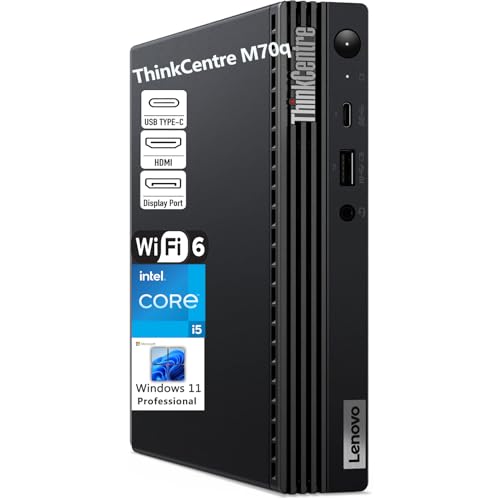
Lenovo ThinkCentre M70q Business Mini PC Desktop Computer, 64GB DDR4 RAM, 1TB PCIe SSD, Intel 6-Core i5-10400 (Beat i7-8700), WiFi 6, Bluetooth, Wireless Antenna, Keyboard & Mouse, Windows 11 Pro
Processor: Intel Core i5-10400 Processor @ 2.00GHz (6 Cores, 12 Threads, 12M Cache, up to 3.60 GHz). Featuring...
As an affiliate, we earn on qualifying purchases.

HP Elite Mini 800 G9 Business Desktop Computer, 14th Gen Intel 20-Core i7-14700 up to 5.4GHz, 64GB DDR5 RAM, 2TB PCIe SSD, WiFi 6, Bluetooth, Type-C, Keyboard and Mouse, Windows 11 Pro, AZ-XUT
HP Elite Mini 800 G9 Desktop CPU: 14th Gen Intel Core i7-14700, 20C (8P + 12E) / 28T,...
As an affiliate, we earn on qualifying purchases.