
You might have heard about the recent scandal in Hong Kong involving an imposter pretending to be Chief Executive John Lee Ka-chiu. This individual promoted a fake cryptocurrency that lured in unsuspecting investors, leading to significant financial losses. As the situation unfolded, the government's response raised questions about the security of digital investments. What measures could prevent such schemes from happening again? The implications are worth considering.

In a bold move that shook the crypto community, an imposter created a fake X account pretending to be Hong Kong's Chief Executive, John Lee Ka-chiu, to promote a fraudulent cryptocurrency dubbed the "National Hong Kong Coin." The scam unfolded when this false account announced the coin's launch on the Solana blockchain, raising eyebrows and attracting interest from unsuspecting investors.
To build credibility, the impersonator cleverly reshared content from official government sources, making it harder for people to discern the truth. As news spread about the so-called National Hong Kong Coin, excitement surged, and the fake token quickly reached a market cap of $215,000.
However, it didn't take long for the truth to emerge, and once the scam was exposed, the token's value plummeted to a mere $3,150. This drastic decline left many investors reeling, prompting the Hong Kong government to issue a strong warning against the fraudulent scheme. They urged the public to be cautious and verify information through official channels, emphasizing the importance of staying informed in today's digital age.
The rise of scams like this one isn't just a local issue; it's part of a troubling trend globally. Increasingly, scammers use fake identities and hacked accounts to promote bogus cryptocurrencies. The crypto community has seen other similar scams, such as $IVANKA, which falsely linked itself to Ivanka Trump, indicating a broader pattern of deception. Governments are exploring frameworks to combat fraud in order to protect investors from such scams.
It's crucial to recognize that compromised accounts can rapidly spread misinformation, creating a minefield for investors. In response to the growing threat of scams, authorities have stepped up efforts to regulate the crypto space.
Hong Kong's recent approval of ten crypto exchanges under its regulatory framework is a significant move toward establishing clear guidelines. This is vital for market confidence and aims to reduce the prevalence of scams. Despite these challenges, Hong Kong is working hard to maintain its status as a global crypto hub, with increasing institutional adoption of cryptocurrencies.
Social media platforms like X play a pivotal role in this landscape, but they're also vulnerable. They can easily be used to disseminate misinformation about crypto launches, making it essential for users to engage with official channels.
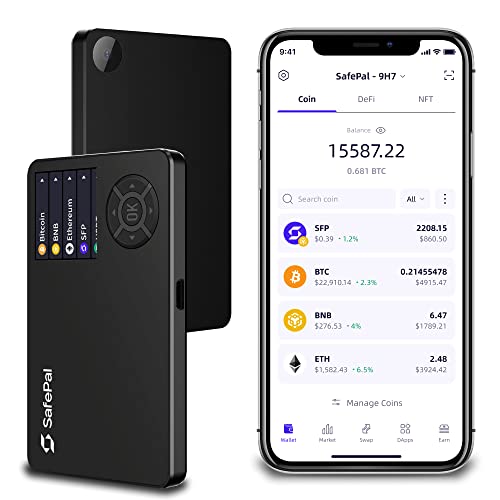
SafePal S1 Cryptocurrency Hardware Wallet, Open Source Crypto Wallet, Securely Stores Private Keys, Cold Storage for Bitcoin, Ethereum and More Tokens, NFTs, Seed Phrases & Crypto Assets
[100% off-line] SafePal S1 adopts an air-gapped signing mechanism, without any connection of Bluetooth, WiFi, NFC, or other…
As an affiliate, we earn on qualifying purchases.
As an affiliate, we earn on qualifying purchases.

Ledger STAX Magnet Shell – Protection for Touchscreen Crypto Wallets (Party Aubergine)
The shell your Ledger Stax deserves: a magnetic, stackable shell that helps prevent scratches and keeps your Ledger…
As an affiliate, we earn on qualifying purchases.
As an affiliate, we earn on qualifying purchases.

Blockchain Technology for Water and Environmental Systems
As an affiliate, we earn on qualifying purchases.
As an affiliate, we earn on qualifying purchases.

3000TVL Home Security System Surveillance DVR Camera Kits, 4pcs Wired 5MP PoE IP Night Vision Cameras Set with AI Motion Person Vehicle Detection, 4K NVR with 512GB Hard Drive for 24-7 Recording
Advanced Security System: 3000TVL home surveillance DVR camera kit includes 4 wired 5MP cameras for comprehensive monitoring and…
As an affiliate, we earn on qualifying purchases.
As an affiliate, we earn on qualifying purchases.