
📊 Full opportunity report: Brazil: Pay the Family, Mind the Child on ThorstenMeyerAI.com — validation score, market gap, and execution plan.

Get hardware and tech essentials delivered free with Prime
- Fast, free delivery on millions of items
- Prime Video, Amazon Music and more included
- Member-only deals all year
TL;DR
Brazil’s Bolsa Família program delivers targeted cash transfers to poor families conditioned on children’s school attendance and health visits. The program has been effective but faces challenges related to inequality and conditionality. The latest developments focus on maintaining and refining this social policy.
Brazil’s government has reaffirmed its commitment to the Bolsa Família program, which provides monthly cash transfers to nearly 46 million people, conditioned on children’s school attendance and health checkups. This policy remains a cornerstone of Brazil’s social safety net, aiming to reduce poverty and break intergenerational cycles of inequality.
Established in 2003 under President Lula, Bolsa Família consolidates earlier social programs into a targeted, conditional cash transfer scheme. It pays families a modest monthly amount on the condition that children stay in school and receive vaccinations and health checkups. The program now reaches roughly a quarter of Brazil’s population and is complemented by the Pix instant-payment system, used by 93% of adults, which ensures swift and accessible transfers.
Research indicates that Bolsa Família has contributed significantly to reducing inequality and extreme poverty in Brazil, with estimates suggesting a substantial decline in poverty levels attributable to the program. It has inspired over 40 countries to adopt similar models, emphasizing targeted, conditional cash transfers as a tool for social development. The program’s design combines direct relief with investments in human capital, aiming to lift the next generation out of poverty.
Recent government statements emphasize the importance of maintaining the program amid Brazil’s persistent inequality. Officials have signaled possible reforms to address challenges such as conditionality burdens on the poorest families, but specific policy changes have not yet been announced.
Pay the Family, Mind the Child
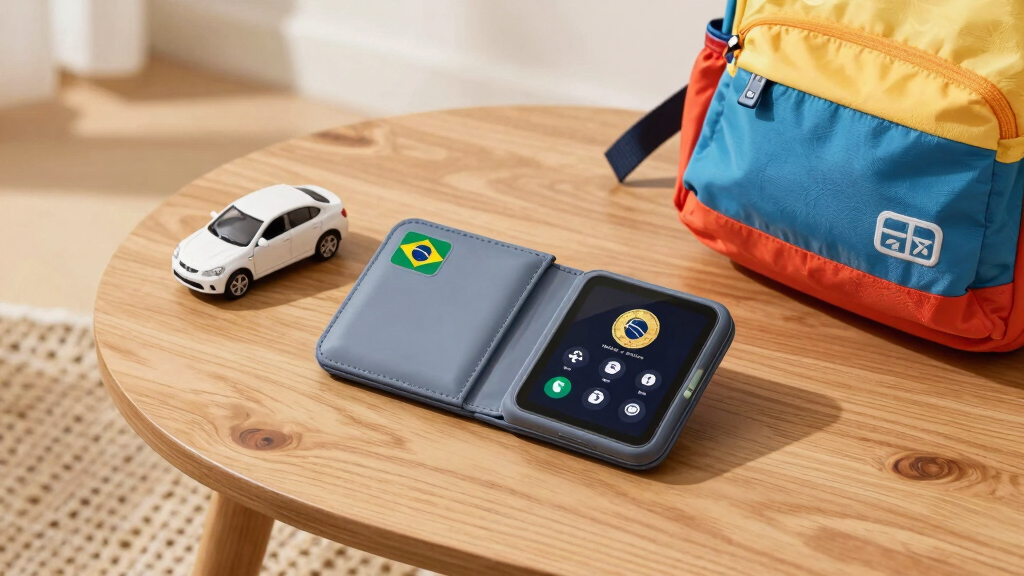
The conditional-cash-transfer pioneer: cash in exchange for human-capital investment. Relieve poverty now, break the cycle for the next generation — the model Brazil gave the world.
- a monthly cash transfer
- targeted via the CadÚnico registry
- delivered via Pix (instant, free)
- children enrolled & attending school
- vaccinations kept current
- regular health checkups
Independent commentary, produced with AI assistance under human editorial oversight. The views are the author’s own and may change. This is analysis, not policy, economic, investment, or legal advice. Descriptions of Bolsa Família and its conditionalities, the Cadastro Único, the BPC benefit, and Pix reflect publicly reported information as of mid-2026 and may change; figures are indicative and several are official or institutional estimates. This phase maps differing approaches and endorses none; characterizations of contested arrangements present competing views, not a verdict. Country, program, and company names are referenced for analysis and imply no affiliation.
Impact of Bolsa Família on Poverty and Inequality
The continuation and potential reform of Bolsa Família are crucial because the program remains a key instrument in Brazil’s efforts to combat poverty and inequality. While it has successfully reduced extreme poverty and improved educational and health outcomes for children, Brazil still faces high levels of inequality. The program’s targeted, conditional approach exemplifies a model that balances immediate relief with long-term human capital development, influencing social policy globally.
As an affiliate, we earn on qualifying purchases.
Brazil launched Bolsa Família in 2003, consolidating earlier social initiatives into a unified, targeted program aimed at the poorest families. Its design, based on conditionality, was inspired by Latin American models and became the most influential worldwide. The program’s success in reducing poverty and inequality has made it a reference point for social policy, with many countries adopting similar approaches.
Brazil’s social policy landscape includes a robust registry system, Cadastro Único, which targets aid, and the Pix payment system, which enhances delivery efficiency. Despite these innovations, Brazil remains one of the most unequal societies in the world, and Bolsa Família’s modest transfers have not fully addressed structural disparities. The program’s resilience and ongoing reforms are central to Brazil’s broader social and economic strategy.
“We remain committed to Bolsa Família as a vital tool for reducing inequality and investing in our children’s future.”
— Brazilian Social Development Minister
school supplies for low-income children
As an affiliate, we earn on qualifying purchases.
As an affiliate, we earn on qualifying purchases.
Unresolved Challenges and Potential Policy Reforms
It is not yet clear what specific reforms, if any, the Brazilian government will implement to address conditionality burdens or expand the program’s scope. Details about future funding, eligibility criteria, or integration with other social policies remain under discussion, and political debates continue over the program’s future.
As an affiliate, we earn on qualifying purchases.
Brazilian authorities are expected to announce any planned reforms or adjustments to Bolsa Família later in 2024. Policymakers will likely focus on balancing targeted support with efforts to reduce inequality further, potentially expanding coverage or modifying conditionality requirements. Monitoring the program’s impact will remain a priority for both government and independent researchers.
As an affiliate, we earn on qualifying purchases.
Key Questions
How does Bolsa Família determine who receives aid?
Recipients are selected based on the Cadastro Único registry, which targets low-income families. Eligibility is determined by income thresholds and family composition.
What conditions must families meet to receive payments?
Families must ensure children are enrolled in school, attend health checkups, and keep vaccinations current to qualify for the cash transfers.
Has Bolsa Família been effective in reducing poverty?
Yes, research indicates it has contributed significantly to lowering extreme poverty and inequality, though it has not eliminated structural disparities.
Are there plans to expand or reform Bolsa Família?
While discussions are ongoing, specific reforms or expansions have not been officially announced. Future policy changes are expected later in 2024.
What are the main challenges facing the program now?
Challenges include addressing conditionality burdens on the poorest families, ensuring program sustainability, and tackling Brazil’s persistent inequality.
Source: ThorstenMeyerAI.com
Halloween Picks
halloween
As an affiliate, we earn on qualifying purchases.